Could FBI Transparency Become a New Test of Accountability in Nigeria?
What if FBI records could shed light on Nigeria’s political leadership? Atiku is calling for legally releasable information to be made public.
What happens when information held by a foreign government concerns a country's most powerful political figures? At what point does the public interest become strong enough to justify greater transparency?
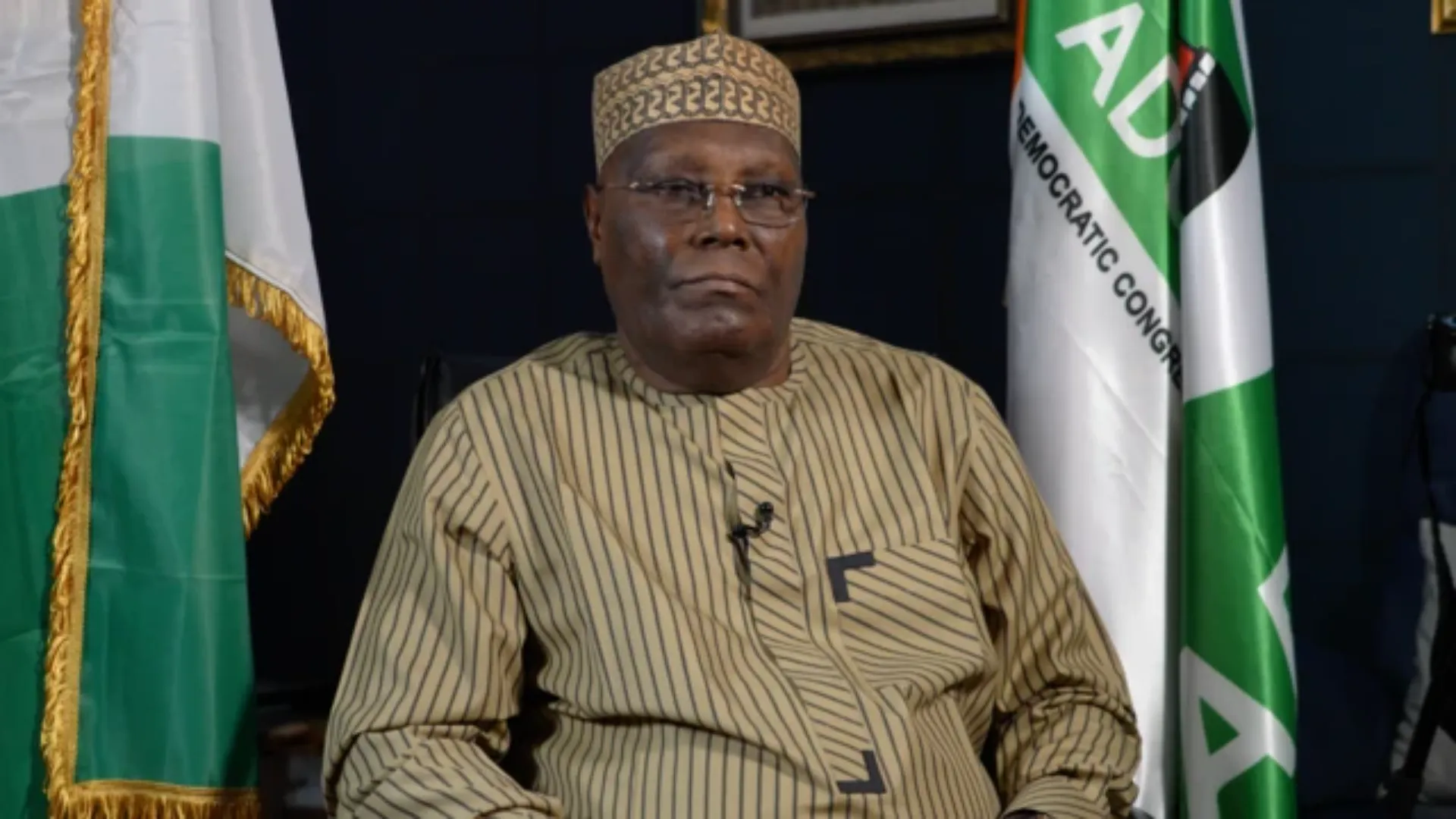
That question has resurfaced after Former Nigerian Vice President Atiku Abubakar called on the United States Federal Bureau of Investigation (FBI) to release any information concerning President Bola Tinubu that can legally be made public.
Atiku, speaking through his Senior Special Assistant on Public Communication, Phrank Shaibu, argued that protecting investigations and confidential sources should not automatically prevent the release of information that could legitimately be disclosed.
His argument comes against the backdrop of Nigeria's economic and security challenges and growing public interest in the records held by foreign authorities.
Why Atiku Is Calling for Greater Disclosure
Atiku's position is straightforward: if the FBI has information concerning Tinubu that can be released without compromising investigations, sources or law-enforcement operations, Nigerians should be allowed to see it.
He specifically said he was not asking the FBI to reveal classified material or information that could put agents and sources at risk. Instead, he called for legally permissible information to be released, with sensitive portions redacted where necessary.
That distinction matters. Government records often contain information that cannot legally be disclosed, but that does not necessarily mean every part of a file must remain hidden.
His argument is therefore less about demanding unrestricted access and more about where the line between legitimate secrecy and public accountability should be drawn.
The Economic Argument Behind the Appeal
Atiku also connected his call for transparency to the difficulties many Nigerians are experiencing.
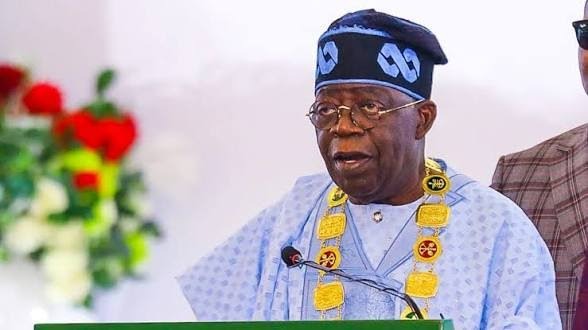
He criticised the Tinubu administration's economic policies, particularly the removal of fuel subsidies, arguing that the decision has contributed to higher transportation and living costs.
His argument follows a chain reaction: higher fuel costs increase transportation expenses, which can push up food prices and the cost of production, while putting additional pressure on household budgets.
Atiku said Nigerians should ultimately judge economic policies by what they mean for ordinary families and businesses rather than simply by government revenue or fiscal targets.
He also reiterated his promise to restore fuel subsidies if elected, although he said such a programme would be targeted, capped, transparently financed and independently audited.
Whether that approach would be financially sustainable is another question. But politically, Atiku is clearly trying to frame the debate around a simple measure: can Nigerians afford the consequences of government policy?

Where Should Public Interest End and National Security Begin?
This is perhaps the more complicated part of the argument.
The FBI, like other law-enforcement agencies, has legitimate reasons for withholding certain information. Protecting confidential sources, ongoing investigations, investigative techniques and individuals at risk are not minor considerations.

Atiku himself acknowledged this, saying the FBI should protect its agents and sources and redact information that American law requires it to keep secret.
But he argues that these protections should not become a blanket justification for withholding everything.
That creates a difficult question: if information about a foreign political leader is legally releasable and clearly relevant to public interest, should secrecy continue simply because disclosure could be politically uncomfortable?
There is no simple answer. Transparency is important, but so is the integrity of law-enforcement investigations. The challenge is finding a point where one does not unnecessarily destroy the other.

Could Foreign Records Influence Nigeria's Accountability Debate?
Atiku's demand is unlikely to settle the wider controversy surrounding information reportedly held by US authorities, but it does highlight a broader issue about political accountability.
Nigerians have a legitimate interest in understanding the background and conduct of people who hold the country's highest offices. At the same time, allegations or references contained in foreign records should not automatically be treated as proof of wrongdoing without context or proper verification.
That distinction is particularly important when information concerns a sitting president.
Atiku says Nigerians are not asking the United States to interfere in Nigeria's democracy.
Instead, he wants American secrecy laws applied in a way that does not unnecessarily prevent the release of information that can legally be disclosed.
Ultimately, the debate may be less about Atiku versus Tinubu and more about a difficult democratic principle: how much information should the public be entitled to know about the people who wield enormous power over their lives?
And if some of that information can legally be made public, the question becomes even harder to ignore: should the public have to keep asking for it?