Are Young Nigerians Losing Their Taste for These 5 Traditional Foods?
Some Nigerian foods are slowly fading from the table because of the young generation. How many of these five traditional dishes have you actually tasted?
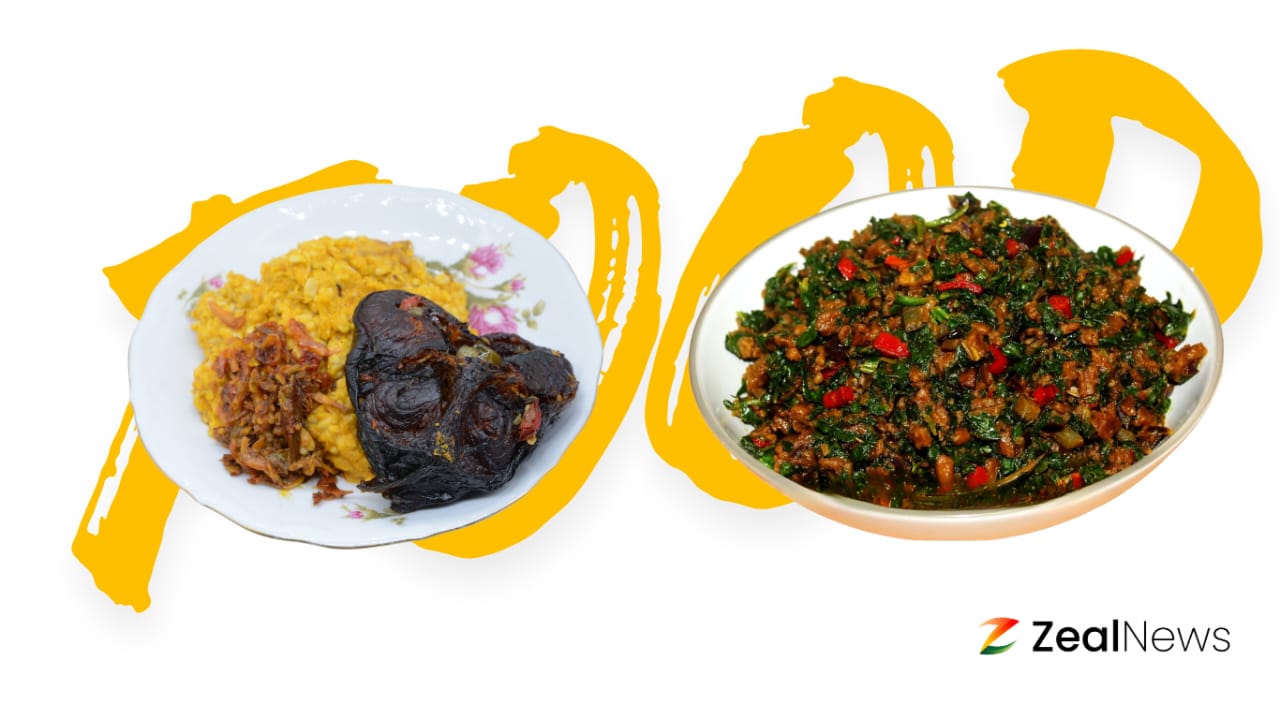
Remember when food was more than something you bought on your way home or ordered with a few taps on your phone? In many Nigerian homes, preparing a meal was an entire experience.
Someone had to soak the ingredients overnight, peel cocoyam, grind spices, pound yam or stand by the fire patiently stirring a pot. Sometimes, the smell alone was enough to bring everyone into the kitchen asking, “Is the food ready?”
Traditional meals were more than food. They carried family memories, cultural identity and recipes passed down through generations. Whether served at celebrations or everyday dinners, each dish had a story worth preserving.
But things are changing. Rice, noodles, pasta and fast food have become convenient options for people juggling work, school and busy schedules.
Younger Nigerians are also discovering foods from different parts of the world, which is exciting in its own way. Still, it raises an interesting question: as our tastes change, are some of our traditional foods slowly losing their place at the table?
Nigeria's food heritage is rich with traditional dishes, some still loved in their home regions and others less familiar to younger generations.
Here are five Nigerian foods worth rediscovering before they become unfamiliar to another generation.
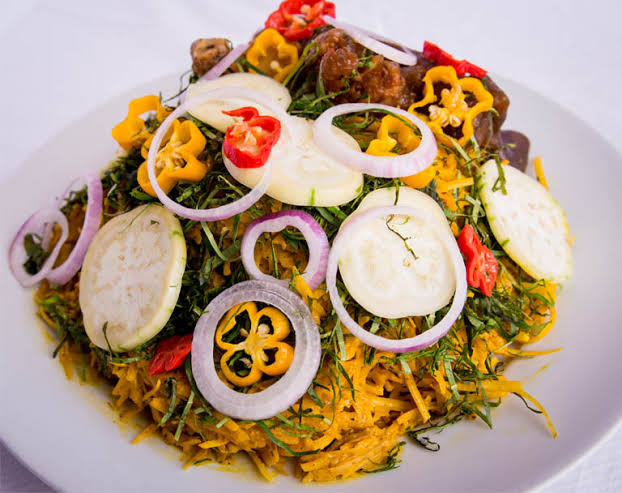
1. Abacha and Ugba, The Igbo Delicacy That Never Gets Old
If you grew up in southeastern Nigeria, chances are you have encountered abacha, also known as African salad.
This was made from shredded cassava and combined with ugba, fermented oil bean seeds, the dish is often mixed with palm oil, spices, garden eggs and other ingredients.
For many people, abacha is more than food. It brings back memories of family gatherings, local markets and roadside sellers who know exactly how to prepare it.
Although it remains popular in parts of the southeast, not everyone knows how to prepare it from scratch. As more people turn to quick meals, traditional preparation methods can become less familiar to younger generations.
But honestly, can a plate of noodles recreate the satisfaction of well-prepared abacha with all its traditional ingredients?
2. Achicha Ede, A Taste of Traditional Igbo Cooking
Achicha ede is a traditional Igbo dish made from dried cocoyam, often cooked with pigeon peas, palm oil and seasonings.
It takes time, from processing the cocoyam to cooking the ingredients until they come together into a hearty meal. It is the kind of dish that reminds people how much knowledge and patience went into traditional cooking.
The challenge is that achicha may be less familiar to people outside the communities where it is commonly eaten. Even within families, younger people who rarely help prepare traditional meals may grow up knowing the dish by name without knowing how to make it.
If your grandmother served you a plate of achicha today, would you recognise it immediately, or would you need someone to explain what is in it?
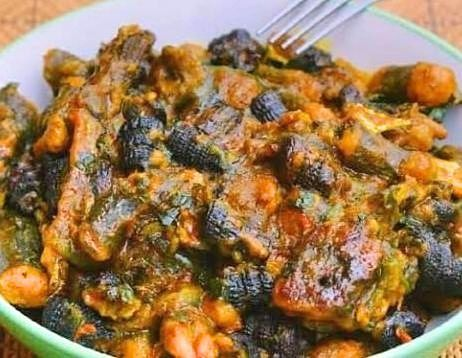
3. Ekpang Nkukwo, The Meal That Requires Patience

Ekpang nkukwo is a traditional dish associated with the Efik and Ibibio people of southeastern Nigeria. It is prepared using grated cocoyam, which is carefully wrapped in leafy vegetables and cooked with ingredients such as palm oil, fish and seasonings.
The result is a rich, filling meal, but getting it right takes effort. Grating the cocoyam, wrapping it in leaves and arranging everything for cooking is not something everyone wants to rush through after a long day.
That preparation time may help explain why some busy households prepare it less frequently than simpler meals. However, it remains an important dish in the communities where it is cherished.
And that raises an interesting question: if traditional dishes require more time to prepare, should families make more effort to preserve them, or is it understandable that convenience comes first?
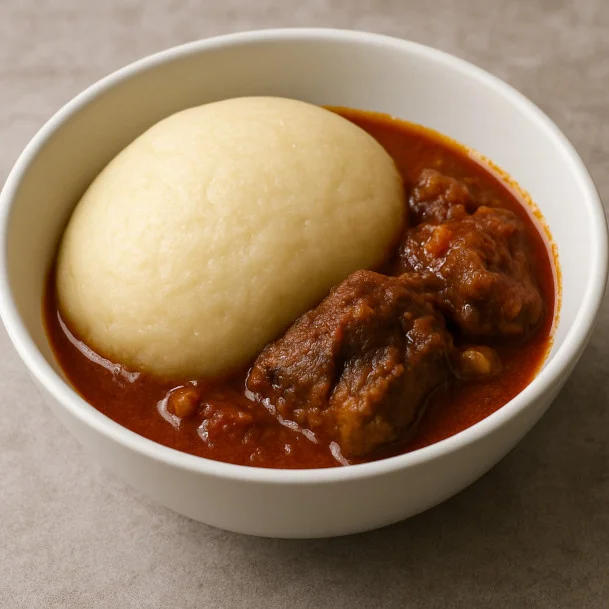
4. Tuwo Masara, A Northern Nigerian Favourite
Tuwo masara is a thick meal made from maize flour and commonly served with soups, including miyan kuka, a soup prepared using powdered baobab leaves.
It is part of the rich food traditions of northern Nigeria, where different grains and locally available ingredients have long shaped everyday meals.
Yet Nigeria's food culture is so diverse that a dish enjoyed regularly in one region may be unfamiliar to someone living in another. Some people may know jollof rice, egusi soup and pounded yam but have never tasted tuwo masara.
The problem is not necessarily that the dish is disappearing, but rather, regional foods can be overlooked when conversations about Nigerian cuisine focus on only a handful of familiar meals.
Shouldn't more Nigerians get the chance to discover dishes from other parts of their own country?
5. Ukwa, The African Breadfruit Meal
Ukwa, made from African breadfruit, is especially cherished in southeastern Nigeria. The seeds are cooked until tender and can be prepared with palm oil, spices and other ingredients, depending on the household's recipe.
For some families, ukwa is comfort food, but for others, it is an occasional treat because the ingredients may not always be easy to find or affordable.
Its preparation can also take time, which may make it less convenient for people who want a quick meal. Still, the dish carries cultural value and offers a taste of the region's traditional food heritage.
Imagine introducing ukwa to someone who has never eaten it. Would they be surprised that such a familiar-looking ingredient can become a meal with so much cultural history behind it?
Are We Losing Our Traditional Food Culture?
Nigeria's food culture is far too rich to be reduced to a few popular dishes, because from abacha and achicha ede to ekpang nkukwo, tuwo masara and ukwa, traditional meals tell stories about the people, ingredients and customs that shaped different communities.
These foods have not disappeared, and many are still enjoyed today. But if younger generations never learn how to prepare them or discover where they come from, some of that knowledge could gradually be lost.
The next time you visit your family, ask about a traditional dish you have never tried. You might discover a new favourite and help keep an old recipe alive.
Now, be honest. Which of these five Nigerian foods have you actually eaten, and which one would you love to try?