Controversy Erupts as Anne Longfield Named Chair of National Grooming Gangs Inquiry
The national grooming gangs inquiry moves forward with former children's commissioner Anne Longfield appointed as chair, following months of delays. The inquiry will focus on systemic failures and the role of ethnicity and cultural factors, with Oldham being a key prioritized area. It aims to deliver justice for victims who have long been ignored and ensure accountability from public bodies.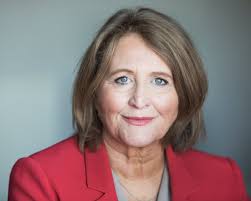
Following a protracted period of delays and disagreements, the national inquiry into grooming gangs is finally set to move forward under the leadership of former Children’s Commissioner, Baroness Anne Longfield. Home Secretary Shabana Mahmood officially announced Longfield’s appointment, describing the inquiry as a crucial “moment of reckoning” for the nation. Baroness Longfield, who will resign the Labour whip in the House of Lords for this role, was recommended by Louise Casey after a difficult search process that saw some victims withdraw from the advisory panel due to disputes over the appointment of the chair and the scope of the inquiry.
The Home Secretary underscored the long-standing neglect and mistreatment of victims, stating, “For years, the victims of these awful crimes were ignored. First abused by vile predators, they then found themselves belittled and even blamed, when it was justice they were owed.” Mahmood stressed that the inquiry is entirely dedicated to the victims and urged all parties to set aside political differences to support the chair and her panel in their pursuit of truth. Longfield acknowledged the “truly shocking” findings of the Casey audit, which reported an “over-representation among suspects of Asian and Pakistani heritage men,” and vowed that her inquiry would “follow the evidence and will not shy away from difficult or uncomfortable truths wherever we find them.”
The £65 million, three-year inquiry—expected to report in 2029—will focus exclusively on grooming gangs, distinguishing itself from wider child sexual exploitation investigations. A key component will be a detailed examination of how ethnicity, religion, and cultural factors shaped both the crimes and the authorities’ responses. While acknowledging the sensitivity of this focus, Mahmood, who is of Pakistani Muslim heritage, emphasized that these were the “sickening acts of a minority of evil men,” cautioning against using the inquiry to “marginalise or demonise entire communities of law-abiding citizens.”
Baroness Longfield will work alongside two seasoned panellists: Zoë Billingham, former HM Inspector of Constabulary and Fire and Rescue Services lead inspector with expertise in safeguarding and policing; and Eleanor Kelly, former chief executive of Tower Hamlets and Southwark councils, known for supporting victims of major incidents such as the London Bridge attacks and the Grenfell Tower fire. Recommended by Baroness Casey, both appointees bring substantial experience in children’s advocacy, policing, local governance, and institutional accountability.
A major development within the inquiry is the decision to directly investigate Oldham, a borough long at the centre of debates over historic child sexual exploitation. Initially, the government had rejected calls for a full statutory inquiry in Oldham, opting instead for a local investigation. However, following a policy reversal, the local inquiry will now be absorbed into the national effort, with Oldham being “prioritised” among the first areas to be examined. Longfield is expected to visit Oldham early in the New Year to meet with survivors and local partners. Unlike the previously proposed local investigation, the national inquiry will carry full statutory powers to compel authorities and witnesses to provide evidence.
Local responses in Oldham have been largely welcoming, though not without mixed emotions. Councillor Arooj Shah, leader of Oldham Council, highlighted the significance of survivors finally having their accounts recognized, respected, and heard, pledging the council’s full cooperation. Jim McMahon, MP for Oldham West, Chadderton and Royton, added a critical dimension by urging the inquiry to consider class alongside race. He stressed that although many perpetrators were Pakistani men, the police and social workers involved—who were not—often held “shocking” attitudes, viewing victims as “white trash responsible for their actions instead of victims of coercion and exploitation.” Mahmood acknowledged these systemic failures and prejudiced attitudes within institutions.
Despite progress, the inquiry continues to face scrutiny and criticism. Some survivors, including Sam Walker-Roberts, who waived her anonymity, expressed concern that the inquiry’s terms of reference have been “narrowed too much” by focusing solely on “grooming gangs” rather than broader “group-based offending.” She warned that this might effectively silence hundreds of survivors whose experiences fall outside that specific scope. Former panel members such as Fiona Goddard and Elizabeth Harper also voiced skepticism about the inquiry’s independence and the perceived lack of genuine consultation with survivors.
The government is advancing additional measures, including the reopening of previously closed investigations through Operation Beaconport, a National Crime Agency investigation. Authorities are also exploring avenues to overturn convictions and cautions issued against exploited girls for offences previously categorized as “child prostitution.” The final terms of reference—covering England and Wales from January 2000 onward—aim to identify systemic, institutional, and individual failures and are expected to be agreed upon with the Home Secretary and published in March 2026. The push for this national inquiry was partly fueled by political pressure and earlier governmental hesitation regarding a statutory investigation in Oldham, marking another significant step in the prolonged struggle for justice for victims.