Climate Change Is Not the Enemy, We Are
Africa's Climate crisis isn't nature's revenge, it's our reflection. From plastic-choked cities to failed promises, humanity not planted, is the real disaster.
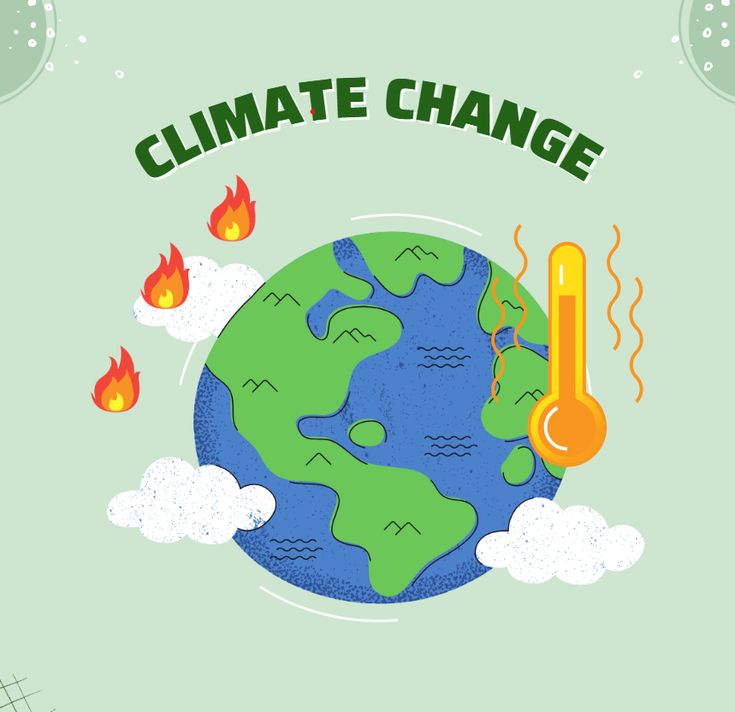
Climate change is no longer a distant warning, it’s a global emergency. From record-breaking heat waves in Nigeria to floods swallowing communities in Kenya and South Africa, the evidence is everywhere. Yet, despite decades of scientific data and international summits, humanity continues to act as though the planet’s decline is someone else’s problem. The uncomfortable truth is this: climate change isn’t the enemy, we are.
The United Nations has repeatedly warned that time is running out, but our collective behaviour tells another story. We waste, overconsume, pollute, and still expect nature to clean up after us. We point fingers at governments, oil companies, and foreign powers but rarely at ourselves, the everyday consumers whose habits fuel the crisis.
We Created the Monster We Fear
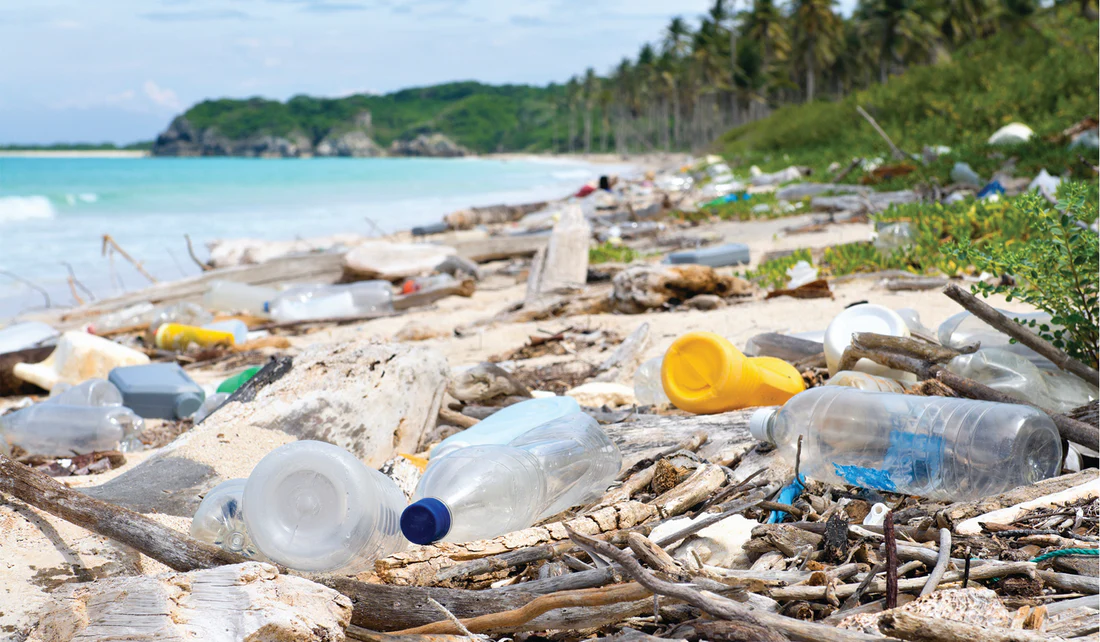
Every plastic bottle tossed carelessly into a gutter, every generator puffing smoke into the air, and every ton of food we waste adds up to an invisible war against the planet. Africa, despite contributing less than 4% of global emissions according to the World Bank, bears some of the harshest consequences. Droughts, floods, and food shortages now define life for millions, yet urban centers continue to expand without sustainable planning.
In Lagos, plastic pollution clogs drainage systems every rainy season, causing floods that destroy homes. In Cairo, vehicle emissions have created one of the most toxic air basins in Africa. And across East Africa, deforestation for charcoal and farmland has left once-green regions barren. We cry out against climate change, but our lifestyles, not the climate are the real culprits.
Ironically, many African cultures once viewed the earth as sacred, treating rivers, trees, and animals with reverence. Traditional societies had taboos that prevented overfishing, unnecessary hunting, or cutting sacred trees. But modernization has slowly erased that respect. We now build on wetlands, dump waste into rivers, and burn forests forgetting that what our ancestors called “spiritual reverence” was actually environmental wisdom. The National Geographic notes that the loss of indigenous ecological knowledge is accelerating environmental decline across developing nations, including those in Africa.
A report by the Intergovernmental Panel on Climate Change (IPCC) shows that human activities; burning fossil fuels, cutting forests, and industrial waste are the main drivers of the planet’s rising temperature. Yet, while science advances solutions, humanity continues to regress in conscience. We’ve built societies addicted to convenience but allergic to responsibility.
The Psychology of Denial and Comfort
Part of what makes climate change so dangerous is that it’s invisible and humans struggle to fight what they can’t see. We don’t fear slow destruction. We fear sudden death. The climate crisis doesn’t happen in explosions or earthquakes; it creeps into our daily lives quietly, disguised as heat, scarcity, or high prices. And because we can’t touch it, we ignore it.
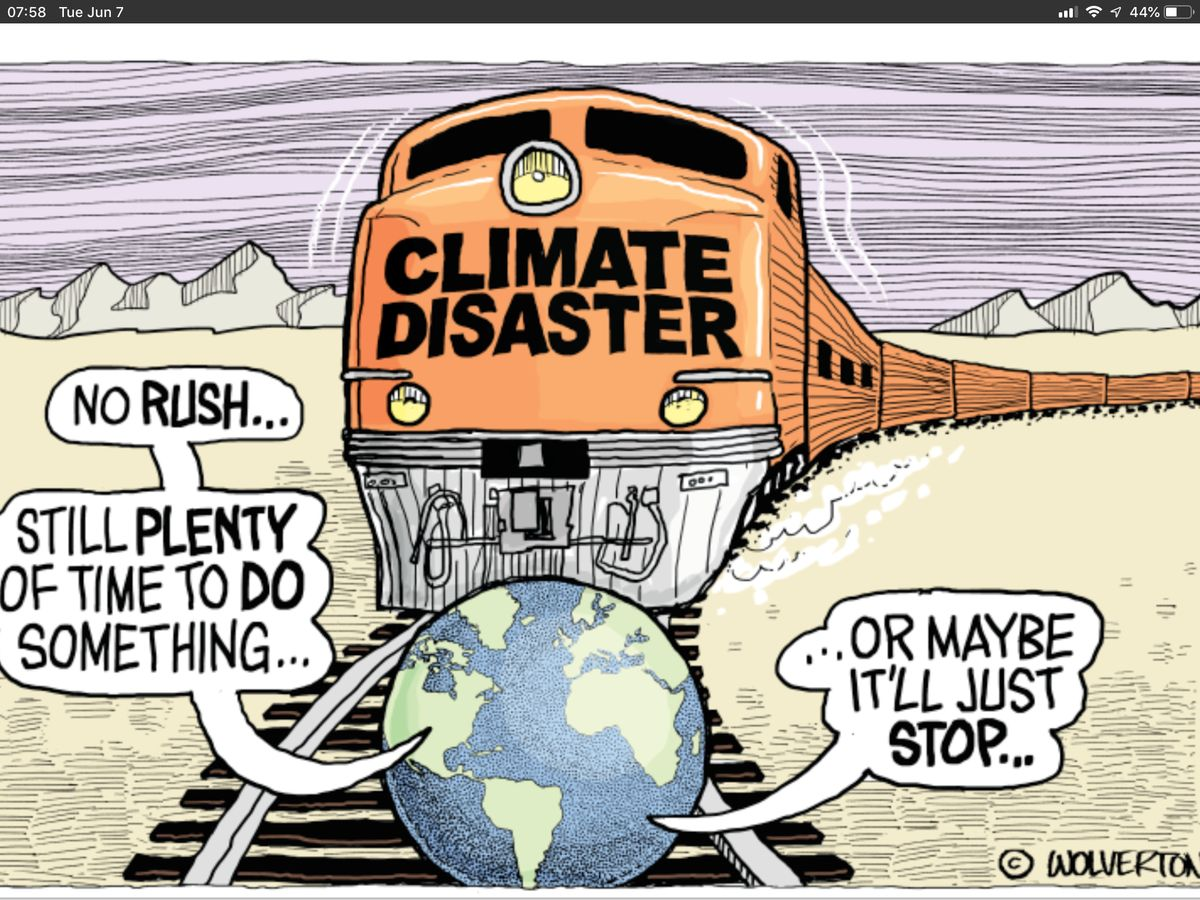
The BBC reports that many young Africans are aware of climate change but feel powerless to act, seeing it as a “global issue” controlled by rich nations. This sense of helplessness feeds a dangerous apathy. We scroll through photos of flooded cities, tweet #SaveTheEarth, and return to buying fast fashion or single-use plastics hours later.
Our addiction to comfort, cheap power, quick food, easy living keeps us trapped. We’ve mistaken “development” for “consumption.” Even in rural areas, where communities once lived in harmony with nature, the quest for modern convenience has replaced traditional conservation wisdom. It’s not climate change that’s destroying us, it’s our disconnect from reality.
The True Battle: Conscience vs. Convenience
Every crisis has a villain. In this one, it’s the mirror. Governments may fail in enforcing environmental policies, but citizens fail first in practice. The streets of African cities tell the story: overflowing dumpsites, illegal burning of waste, and rampant use of fossil-powered generators despite renewable alternatives.
In Nigeria, a nation blessed with abundant sunshine, solar adoption remains low due to both cost and disinterest. Many prefer the “immediate” power of generators over long-term sustainable investment. It’s a reflection of our broader mentality short-term comfort over long-term survival.
According to the African Development Bank, Africa loses billions yearly to climate disasters, yet investment in green technology remains inadequate. Still, the real issue isn’t funding, it’s attitude. Until sustainability becomes part of everyday behaviour from the market trader to the president, no policy or summit can save the continent.
Still, one cannot ignore the role of poverty in Africa’s environmental struggle. Millions of families rely on charcoal, firewood, and open-air burning simply to survive. When survival is the goal, sustainability feels like a luxury. The World Health Organization (WHO) reports that indoor air pollution from solid fuels kills over 700,000 Africans yearly. So while the wealthy discuss climate conferences, the poor live the consequences. True change, therefore, must bridge this class divide because no one can fight climate change on an empty stomach.
The Power of Individual Change
But it’s not too late. Individual choices still matter perhaps more than ever. Choosing to recycle, walk instead of drive, or plant a tree might seem insignificant, but multiplied by millions, those acts become a movement. Community-led environmental actions across Kenya, Ghana, and Rwanda show what’s possible when awareness meets responsibility. Rwanda, for instance, banned plastic bags in 2008 and remains one of Africa’s cleanest nations.
The United Nations Environment Programme (UNEP) encourages citizens to adopt a “circular economy” mindset where waste becomes resource and consumption slows down. This shift begins not in boardrooms, but in daily habits: how we eat, shop, and dispose of things.
Africa doesn’t need to “catch up” with the world; it needs to lead it by redefining sustainability through cultural consciousness, not Western imitation. The climate fight isn’t about saving nature, it’s about saving ourselves.
Leadership without Example
The hypocrisy isn’t just personal, it’s institutional. Across the continent, leaders attend global climate conferences, sign pledges, and pose for green photo ops, yet return home to approve illegal mining, deforestation, and oil expansion. Al Jazeera recently highlighted how African nations lose billions annually to environmental mismanagement, yet allocate little to renewable infrastructure. This contradiction fuels public apathy. If citizens see no example from the top, how can they be expected to change? The fight for the planet demands moral leadership as much as scientific innovation.
Conclusion
The climate crisis is a mirror reflecting the worst of humanity, greed, denial, and arrogance. Climate change is not fighting us; it’s reacting to us. The floods, droughts, and fires are not punishments from nature; they are responses. Every choice we make either heals or harms the planet.

The next time we complain about the weather, we must ask: are we victims or accomplices? Because the truth is simple, the planet will survive. We may not.