Cinematic Lessons: Souleymane and the Crisis of Fabricated Asylum Claims
According to the UNHCR, over 100 million people are forcibly displaced worldwide, underscoring the vast scale of the global refugee crisis. The film Souleymane vividly brings to life, this harsh reality of survival; challenging our perceptions of truth and asylum claims.
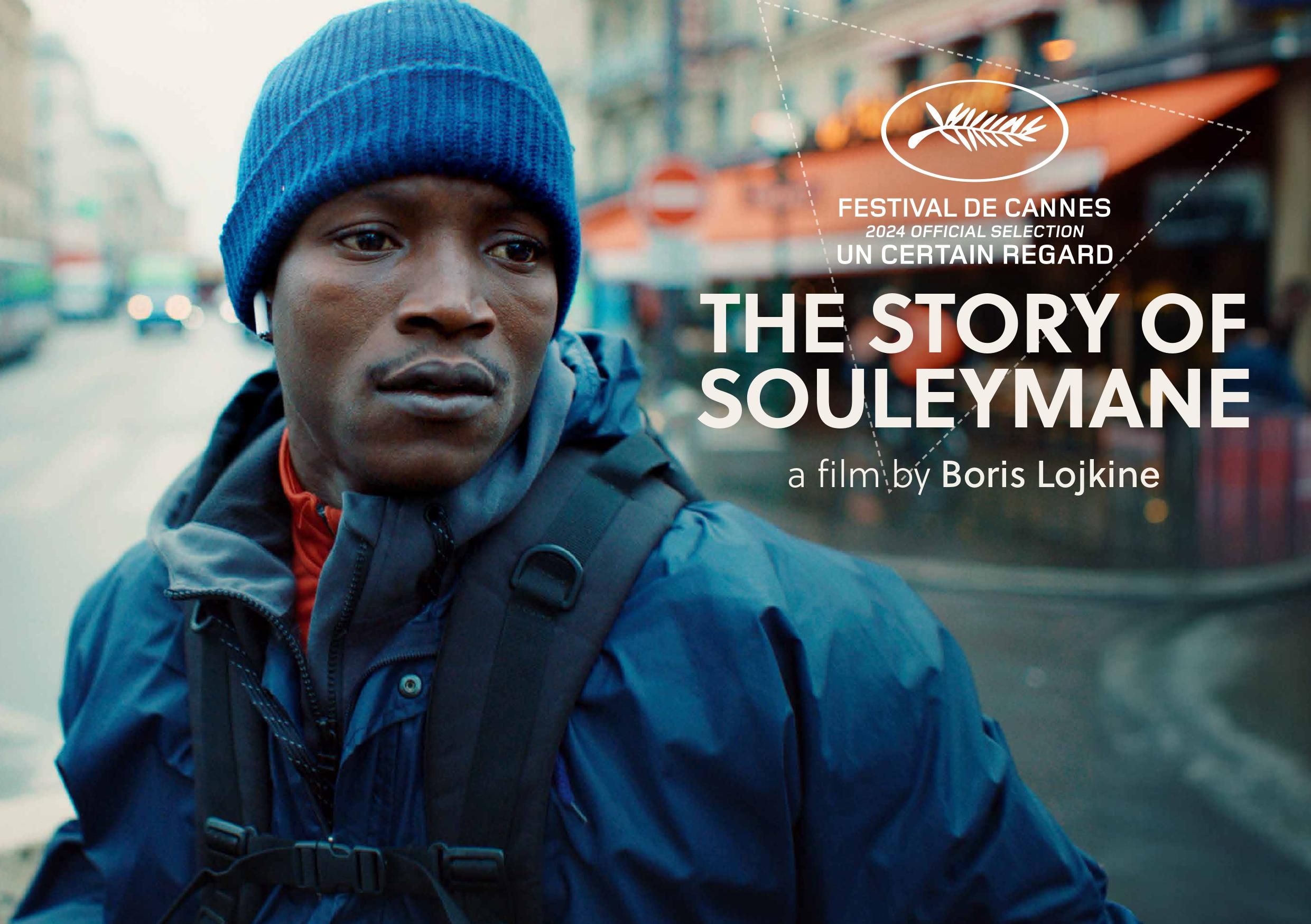
The Story of Souleymane: A Cinematic Mirror to Migration’s Complex Realities
In The Story of Souleymane (L’Histoire de Souleymane), director Boris Lojkinedelivers a stark and unflinching portrayal of the precarious life of an undocumented migrant navigating the margins of Paris. The 2024 French drama follows Souleymane, a young man from Guinea, whose existence is defined by hardship, invisibility, and the constant threat of expulsion. At its core, the film is a powerful exploration of displacement, exploitation, and the challenges inherent in the asylum-seeking process—issues that resonate deeply with current global migration crises.
A Story Woven with Unease and Empathy

Image Credit: Telerema
The film unfolds over several days, capturing Souleymane’s day-to-day struggles as a food delivery worker in an informal economy riddled with exploitation: stolen wages, long hours, and no legal protections.
Simultaneously, Souleymane prepares for an asylum interview, where he is coached by another migrant, Barry, to fabricate a traumatic backstory in hopes of meeting legal criteria.
This fabrication forms the film’s emotional and ethical crux. While the film’s narrative emphasizes the desperation driving such decisions, it also underscores the grave consequences of deception in asylum claims.
Fabricating stories undermines the integrity of a process designed to protect vulnerable individuals fleeing genuine persecution. It risks discrediting those with legitimate claims, thereby harming the credibility of asylum systems worldwide.
Acting That Breathes Life into Desperation
Abou Sangaré’s portrayal of Souleymane is a standout, offering a deeply humanized performance that brings authenticity to the character’s vulnerabilities and hopes. Sangaré, himself once undocumented, channels a quiet intensity that captures the precariousness of Souleymane’s reality without romanticizing it.
The interactions between Souleymane and Barry reflect a complex dynamic within migrant communities, where survival sometimes forces morally ambiguous choices. This nuanced portrayal invites viewers to wrestle with the ethical dimensions of the asylum-seeking experience, without excusing dishonesty.
Cinematography: An Intimate Lens on Marginality

Image Credit: Original-Cin via Liam Lacey
The film’s cinematography employs a handheld, immersive style that places the viewer in Souleymane’s shoes. The muted, cold color palette and tight framing of Parisian streets and cramped apartments evoke the claustrophobia of undocumented life. This visual approach reinforces the themes of isolation and vulnerability that underpin the story.
By focusing closely on the environment and Souleymane’s reactions, the cinematography emphasizes the human cost of migration beyond statistics, spotlighting the daily grind of survival in a city that often ignores the undocumented.

The Real-World Context: The Cost of Fabricating Asylum Claims

While The Story of Souleymane explores why some migrants feel pressured to fabricate their stories, it is critical to unequivocally acknowledge that deception within asylum processes has serious consequences. Fabricated asylum claims damage the integrity of international protection systems and complicate the ability of authorities to identify and assist genuine refugees.
In 2022, According to the United Nations High Commissioner for Refugees (UNHCR), over 100 million people worldwide are forcibly displaced, including refugees and asylum seekers fleeing persecution, conflict, and human rights abuses. This staggering number strains the resources of governments and humanitarian agencies, leading to stricter asylum procedures in many countries.
However, fabricating claims is not a valid or justifiable response. It risks the credibility of legitimate applicants, fuels anti-immigrant sentiment, and provides grounds for more restrictive policies that ultimately hurt vulnerable populations. Moreover, providing false information can lead to legal repercussions, including denial of protection and possible deportation.
Why Do Some Fabricate Stories?
The film spotlights a grim reality: asylum systems often require clear and convincing evidence of persecution or trauma, and stories must fit narrow legal definitions to be accepted. Some migrants, unable to provide this exact proof; whether due to the complexity of their circumstances, trauma that is difficult to articulate, or lack of documentation—may feel pressured to embellish or invent stories.
This dynamic reflects systemic failures in the asylum process. Governments and institutions often prioritize bureaucratic expediency over compassionate and individualized assessments. However, the solution cannot be to tolerate or excuse dishonesty.
Instead, asylum systems must improve their ability to handle complex cases empathetically, while maintaining stringent standards to protect the integrity of refugee protection.
Global Implications of Asylum System Failures

Image Credit: World Bank Blogs
The Story of Souleymane takes place in France, but the issues it raises have global relevance. Around the world, migrants face similar challenges—exploitation in informal labor sectors, unpredictable asylum interviews, and hostile social climates.
According to the International Labour Organization (ILO), millions of undocumented migrants work in sectors such as agriculture, cleaning, and food delivery without basic rights or protections. This economic vulnerability compounds the pressure they face during asylum claims, but it does not excuse fabricating stories.
Furthermore, fabricated claims can be exploited by political actors to justify harsher immigration restrictions. This backlash disproportionately affects those fleeing genuine danger, worsening humanitarian crises.
Why Truth Matters
Asylum systems exist to protect individuals fleeing persecution, genocide, and violence. Maintaining truthfulness in asylum claims is fundamental to ensuring that protection reaches those who truly need it.
Fabrication undermines this mission, creating distrust between migrants and authorities, and feeding narratives that paint all asylum seekers as potential fraudsters. This distrust harms integration efforts and fuels xenophobia.
The Story of Souleymane invites reflection on the complex pressures migrants face, but it ultimately warns against the dangers of bending the truth. Upholding honesty is essential not only for the legal integrity of asylum but also for the moral imperative to protect the vulnerable.
Conclusion: Toward a More Just Asylum Process
The Story of Souleymane is a gripping, intimate portrayal of migration’s human cost, skillfully combining authentic performances and immersive cinematography. Its depiction of an asylum seeker’s experience challenges viewers to understand the systemic barriers migrants face.
Yet, it also serves as a sober reminder: while desperation may explain why some choose to fabricate stories, it can never justify deception within a process designed to offer sanctuary. To better serve displaced populations, asylum systems must balance compassion with rigor—improving support and assessment methods to reduce pressures that might lead to dishonesty, while protecting the integrity of refugee protection worldwide.
The film’s true power lies in its call for greater empathy, systemic reform, and above all, unwavering commitment to truth and justice in migration policy.