Carbon Credit Colonialism: Are African Forests Being Sold as Western Carbon Offsets?
Africa’s forests are becoming the world’s carbon currency, but who truly benefits? As Western firms rush to buy carbon offsets, questions of ownership, fairness, and climate justice arise. Is this the new green economy or carbon colonialism reborn?
The New Green Rush
All across the Congo Basin and the open stretches of East Africa, there’s a new scramble for resources. This time, it’s not for gold or oil, but for carbon. Western companies and governments, desperate to look greener, have set their sights on Africa’s massive forests. They want to purchase "carbon credits"-basically, pay to keep trees standing or plant new ones-so they can continue to pollute at home but claim they're contributing their fair share to save the planet. Suddenly, African land isn't just home to people or wildlife; it has become a kind of environmental currency.
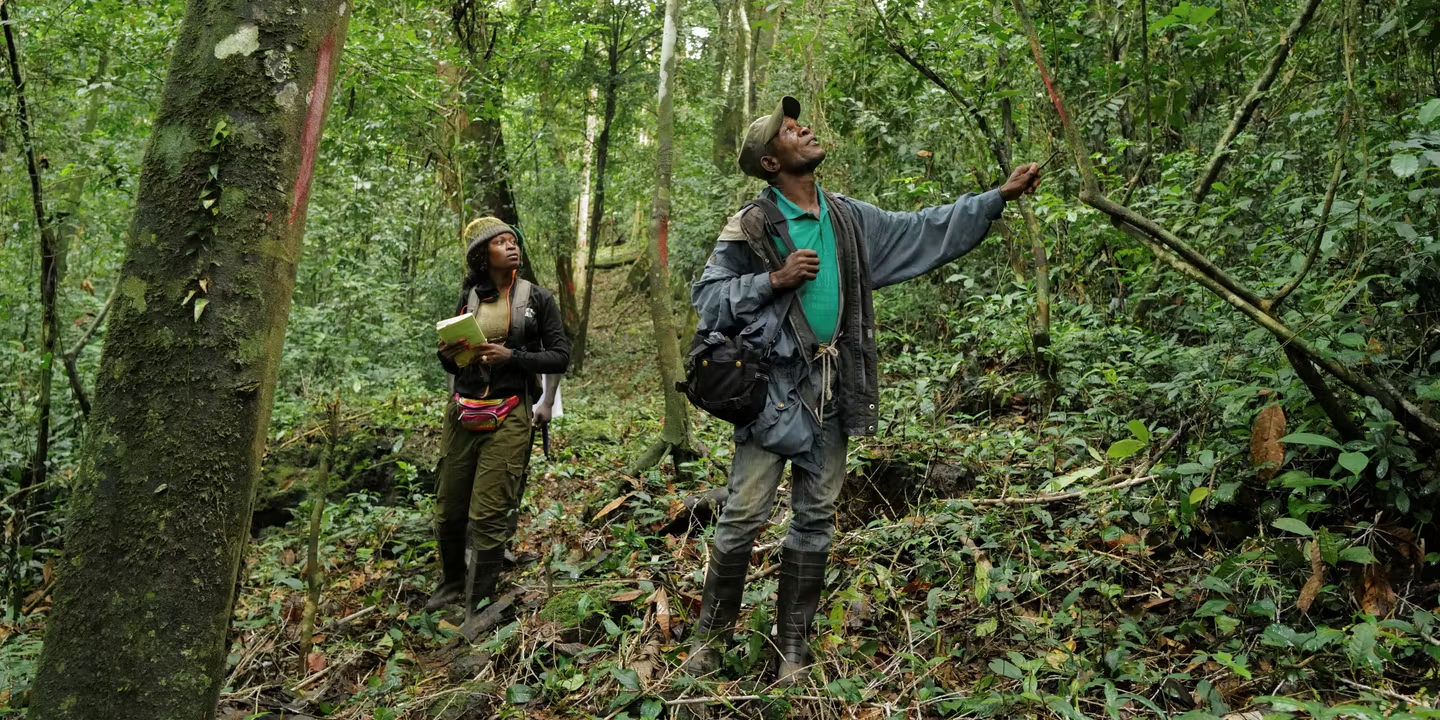
On paper, the concept sounds almost heroic. The polluters pay to protect rainforests in Gabon or plant trees in Kenya. Money flows from the rich who've burned the most fossil fuels to places full of natural beauty. It's supposed to be a win-win: save the planet, help local communities. But when you dig deeper, it starts to look a lot like old patterns with a fresh coat of green paint.
A lot of people are calling it what it is—green colonialism. Africa, which barely contributed to the climate crisis, now gets pulled into global deals where outsiders manage and profit from its forests. Governments sign away rights to huge swaths of land, sometimes for decades, handing control to foreign companies promising to “manage” carbon projects. The people who actually live there? They’re usually left out of the conversation. Traditional land rights get swept aside in the name of climate goals. In some places, villagers can’t even gather firewood anymore because their forests have become carbon reserves for someone else’s climate ledger.
And the scale of it is wild. If things keep going the way they are, over a third of Africa’s land could end up locked into carbon offset deals by 2050. Liberia, Tanzania, Zimbabwe, they’ve all inked huge contracts with private climate companies. But who really benefits? The details are vague, and local communities rarely see their fair share.
For a lot of African environmentalists, this isn't a real partnership. It’s just exploitation, dressed up in green. Carbon trading risks trapping African landscapes in the same old story, outsiders calling the shots, locals pushed to the margins. Different resources, same game.
The Promise and the Problem
Carbon markets aren’t doomed from the start. Done right—openly, and with locals in charge—they could change everything. Africa’s got some of the world’s biggest carbon sinks. Think about the Congo Rainforest, often called the planet’s “second lung,” or the mangroves along West Africa, or Zambia’s endless woodlands. If African countries actually got a fair shot at using these resources, they could pull in billions. That’s money for solar panels, wildlife protection, better schools, real stuff that matters.
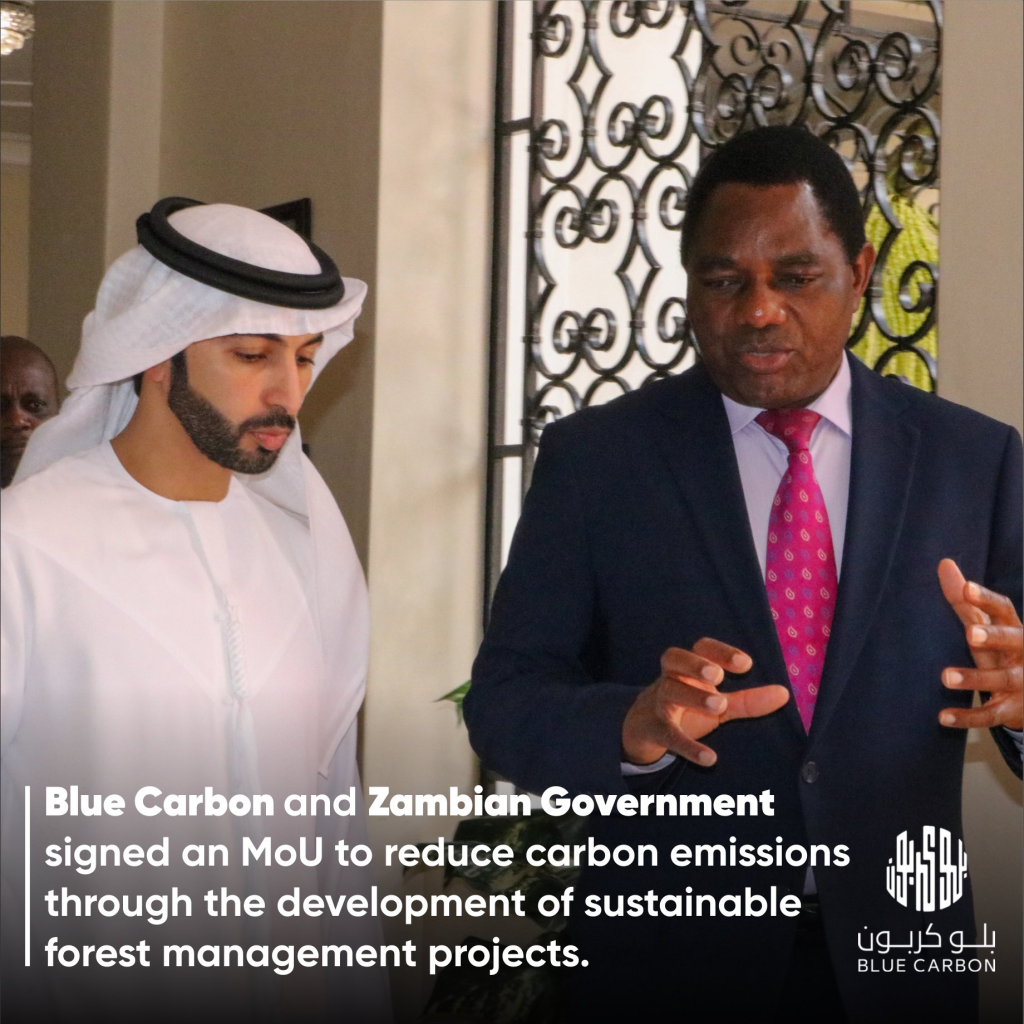
But here’s where things go sideways: who’s really running the show? The way it is, most of the deals are pushed through either by Western companies or NGOs. They dangle promises—fancy carbon certificates, access to global buyers—but the fine print is rough. Local voices get drowned out, and sometimes these contracts lock up land for half a century or more. Take Liberia. One deal there handed off almost 10% of the whole country to a company in Dubai, just for carbon trading. People on the ground pushed back immediately. Who, they demanded, said outsiders could sell the air floating over their forests?
And let’s not dodge the bigger question: can you really just erase pollution from one place by protecting trees somewhere else? A lot of African thinkers say this whole setup keeps things unfair. The West keeps flying, building, buying—living large—while African countries are supposed to stay poor in exchange for carbon cash. In the end, it feels like the market cares more about the trees than the people who actually look after them.
Still, not everything is so bad. Some countries are flipping the script. Gabon, for example, became the first in Africa to get UN-certified payments for keeping its forests standing. That’s a big deal and it sets a new standard. Kenya and Ghana are trying out carbon projects that pay local farmers and forest keepers directly. These experiments prove carbon credits can help, but only when local people have real power and everything’s out in the open. That’s the only way this works.
Reclaiming the Carbon Narrative
Africa’s future in global climate finance hangs on one thing: can it finally set its own terms? For decades, outsiders have called the shots — first it was land, then minerals, and now, even carbon. But times are changing. The carbon economy is exploding, and with it comes a real shot for African governments and communities to take control.
The first step is simple, at least on paper. African countries need solid, clear laws about who actually owns carbon. Is it the state? The local community? The people running the project? Right now, it’s a mess. Without regulations, outside investors keep walking away with profits while citizens watch from the sidelines. Some experts have been pushing for a continent-wide policy, driven by the African Union, so that one country cannot be cornered into a given bad deal. A unified standard could finally stop exploitative contracts and make sure a fair share of the revenue stays with local people.
But it’s not just about law, it’s about mindset. Carbon isn’t some foreign product to be auctioned off. It’s a real, sovereign asset. Africa’s forests and wetlands aren’t just handy tools for other countries to balance their carbon budgets. They’re the backbone of local economies and the daily life of millions. Real climate justice means the people protecting these places actually see the benefits.
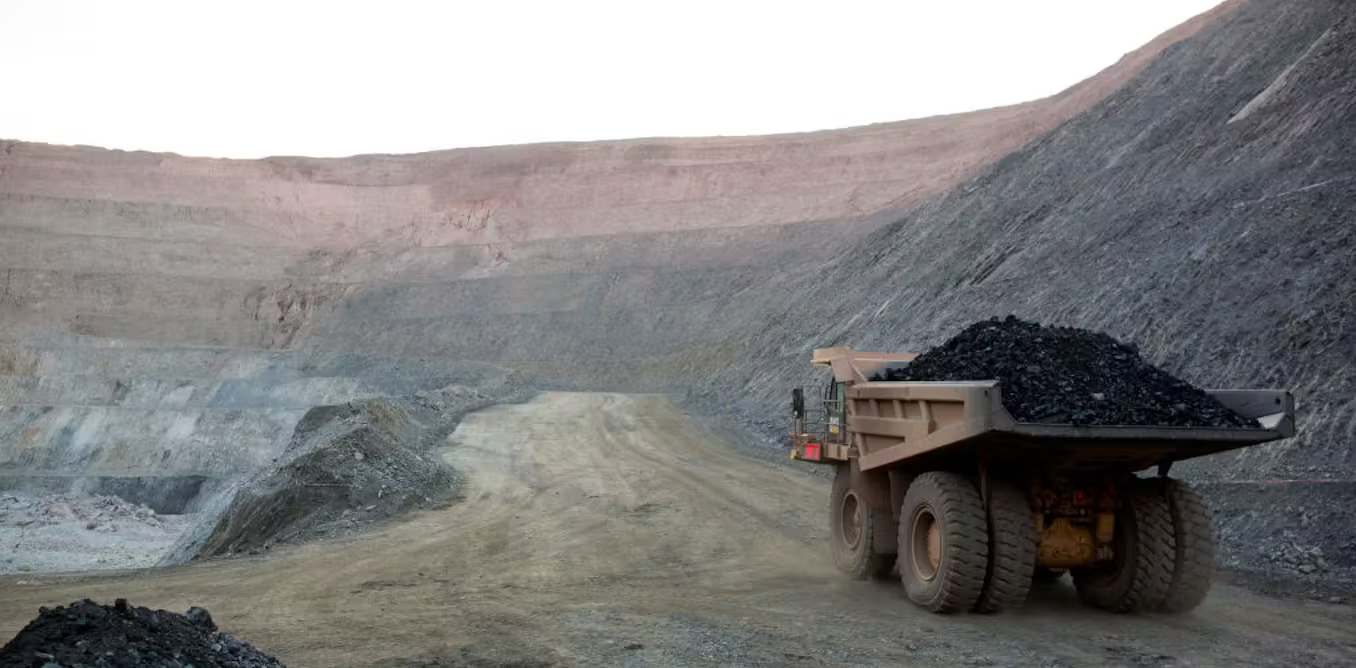
And then there’s the new wave of African innovators. You see it everywhere, climate-tech startups in Nigeria helping farmers track carbon data, youth groups in Uganda turning reforestation into real business. Africans aren’t just participants in the carbon market anymore. They’re starting to shape it.
But there’s a risk. If nobody pays attention, the carbon trade could just become another chapter in a long story of outsiders extracting value, only this time, the maps are green and the deals are digital. Fairness and smart planning can turn that story around, so Africa’s forests are recognized as treasures for the people who live there, and for the world.

The question, therefore, isn't whether Africa should join the carbon trade, but rather who gets to make the rules.