Book-To-Movie Adaptation: Tomi Adeyemi’s Exit Raises a Bigger Question About Hollywood and African Stories
Tomi Adeyemi's decision to distance herself from Paramount's Children of Blood and Bone adaptation has reignited debate about book-to-film adaptations, casting authenticity, creative control, and whether Hollywood is losing the soul of the stories it brings to the screen.
African literature was how many of us first learned to see beyond the world directly in front of us. It was the evening story from a grandparent, the uncle who made folklore sound like breaking news, the older sibling’s shelf of novels, and the beginning of a new school term with that quiet question: what novel are we reading this time?
Long before streaming platforms and cinematic universes, we already knew adaptation. It happened in our heads. Every reader was a director. Every chapter was a scene. Every character wore a face built from memory, imagination and lived experience. Call it mind adaptation: the private cinema of reading.
Perhaps that is why book-to-film adaptations carry such an impossible burden. A novel belongs to thousands of readers at once, each imagining it differently. A film can only choose one version. Someone’s imagination wins. Someone else’s is left disappointed.
But sometimes an adaptation becomes more than a disagreement over casting or missing scenes. It raises deeper questions about ownership, authenticity, culture and creative control. That is where Children of Blood and Bone now finds itself.
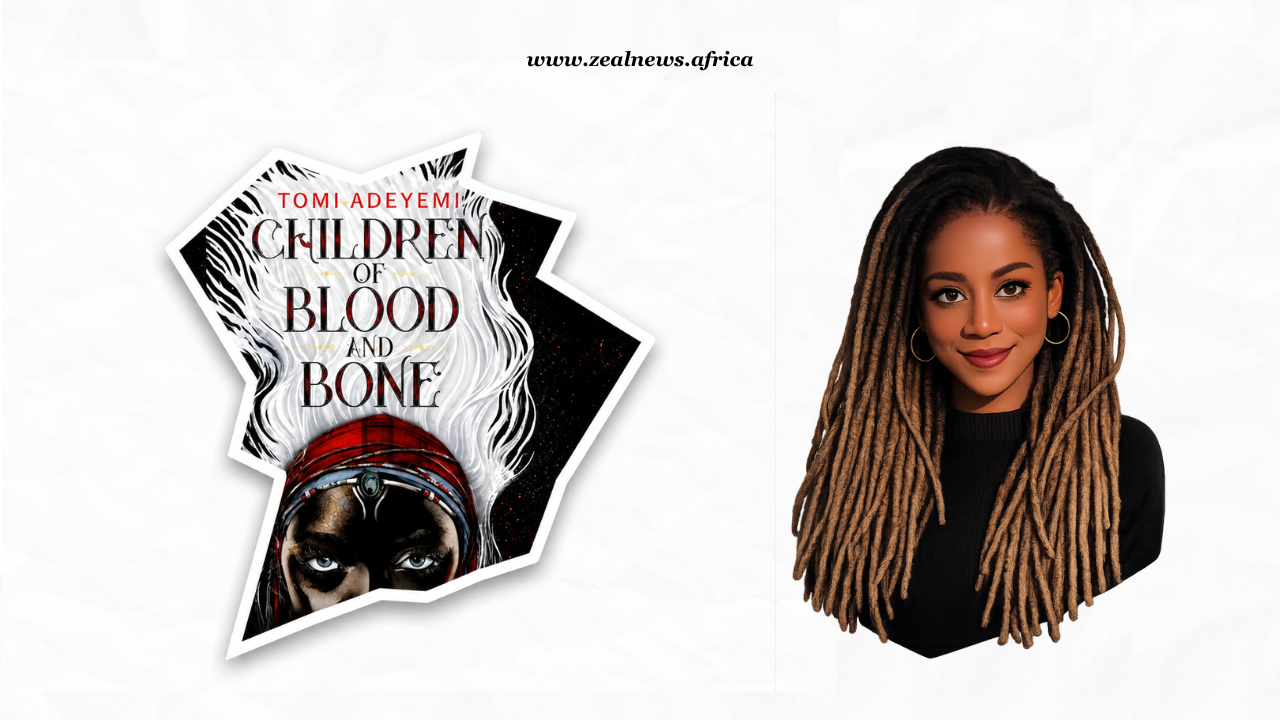
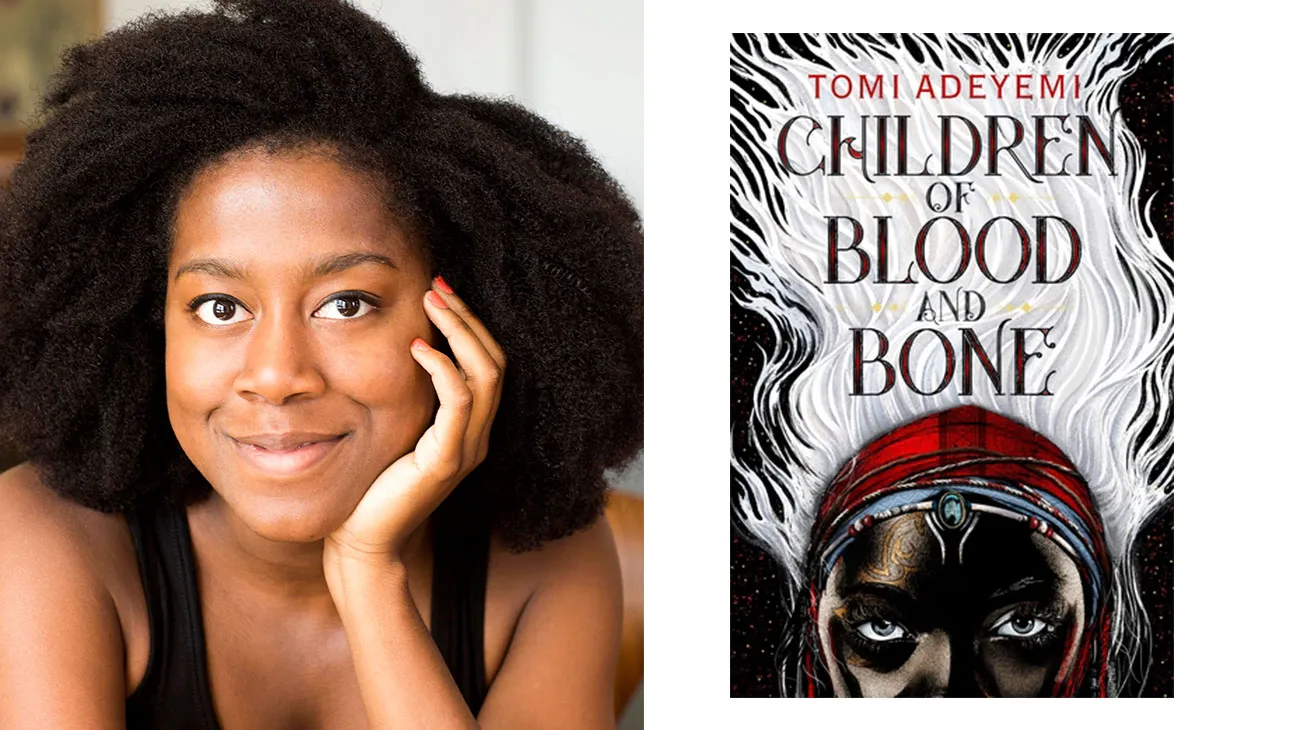
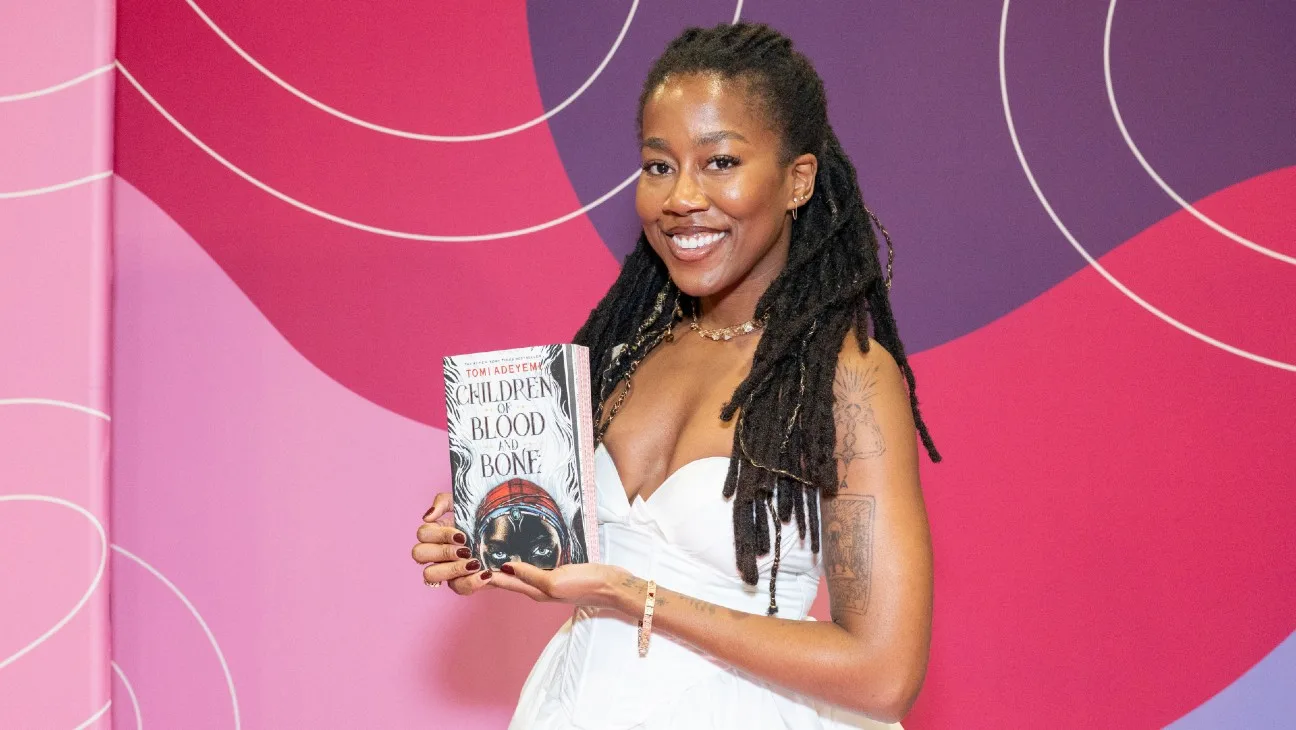
After all the build-up of anticipation, Nigerian-American author Tomi Adeyemi announced that she would not be watching, promoting or publicly supporting Paramount Pictures’ adaptation of her bestselling fantasy novel. She spoke of behind-the-scenes pain, said she was choosing to distance herself from the project, and revealed that she had blocked lead actress Amandla Stenberg on social media.
The announcement has left readers stunned, not simply because an author disliked an adaptation, but because this was her story. Children of Blood and Bone became a publishing phenomenon in 2018, moved through development, changed studio hands, brought in Gina Prince-Bythewood as director, attracted major casting attention and grew into one of the most anticipated African-inspired fantasy films in recent memory.
That is what makes Adeyemi’s decision so unusual. Why step away months before release? What changed? And what does an author see from inside a production that audiences outside cannot?
When Adaptation Becomes Replacement
Adaptations always require compromise. A novel can live inside a character’s thoughts for chapters. A film has about two hours to build a world, introduce conflict and land an ending.
Characters are usually merged. Dialogue disappears, and scenes are reordered. These changes are not automatically betrayals; they are often the realities of translating one medium into another.
When Half of a Yellow Sun reached the screen, debates emerged over what had been condensed, softened or omitted from Chimamanda Ngozi Adichie's richly layered novel. More recently, the adaptation of The Secret Lives of Baba Segi's Wives generated conversations about translating Lola Shoneyin's complex social commentary into a visual medium without losing its emotional weight.
Still, every adaptation quietly negotiates a line: at what point does interpretation become replacement? Because not every adaptation can reproduce every page of a book.
Readers know that feeling and still somehow expect it to reproduce the soul of the book. You enter a cinema expecting the story that lived inside your imagination for years, only to meet familiar names attached to unfamiliar decisions. The plot may reach the same destination, but the road feels wrong.
By the end, you wonder whether you watched the book at all, or simply another story borrowing its title. No adaptation can reproduce every page. But readers still expect it to preserve the soul.
That expectation becomes heavier when the story carries cultural significance. Children of Blood and Bone was never treated as just another fantasy novel. Its world draws from Yoruba spirituality, African mythology, language, symbolism and history. For many readers, especially Nigerians, it represented more than entertainment. It represented visibility.
Perhaps that is why casting became one of the film’s earliest controversies. When Adeyemi first spoke about the adaptation, many fans imagined a production that would create unprecedented opportunities for Nigerian actors. Instead, while the cast includes respected African and African-descended performers, several central roles went to internationally recognised Hollywood names.
That decision split opinion. To some, it reflected the commercial reality of global filmmaking: familiar faces can attract wider audiences, stronger distribution and bigger box office prospects. To others, something more important appeared to be slipping away.
If a story rooted so deeply in African culture still needs Hollywood’s familiar faces to be considered globally viable, when exactly do African actors become enough to carry African stories?
This is not about denying the talent of Amandla Stenberg or any other Black performer outside the continent. The real question is whether authenticity can also be part of casting. Can lived cultural experience matter alongside acting ability? Or must marketability always arrive first?
Whose Story Is Hollywood Telling?
That debate resurfaced around Stenberg’s casting as Zélie, especially because colourism forms part of the protagonist’s experience in the novel. Some critics questioned whether that aspect could be fully represented through the casting choice. Others argued that performance should outweigh appearance, and neither side disappeared. The conversation simply waited.

Now that Adeyemi has distanced herself from the finished film, those earlier arguments have returned, not because anyone knows her reason, but because silence invites interpretation.
That is what makes this story larger than one author or one movie. Hollywood is living through an era defined by adaptations. Existing intellectual property has become the industry’s comfort zone because familiar stories arrive with built-in audiences. Studios no longer just buy stories. They buy communities.
That strategy makes business sense, but it also creates risk. Peter Jackson's adaptation of The Lord of the Rings is often cited as proof that a film can honour its source while becoming extraordinary in its own right. Denis Villeneuve's Dune demonstrated that even notoriously "unfilmable" novels can find new life without abandoning their essence.
And when audiences already know a story, they become less forgiving if they feel its essence has been altered with Children of Blood and Bone, many are not only asking whether the film will be good. They are asking whether it will still feel like the story they loved.
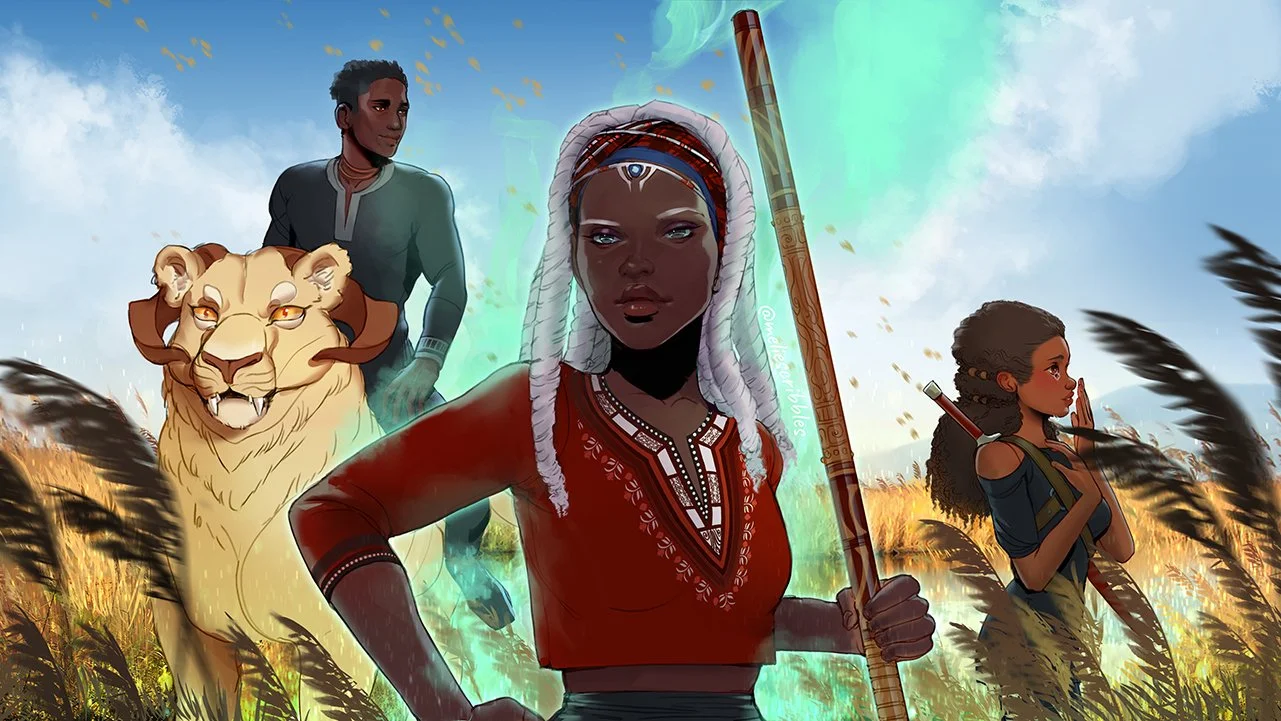
Publicly, Adeyemi has not explained exactly what happened. Everything beyond her own statements remains speculation. Maybe it was a creative disagreement. Maybe it was a loss of influence. Maybe the final version became something she could no longer recognise. Only those directly involved know.
But readers are allowed to ask uncomfortable questions.
Once a story leaves the page, it passes through studios, producers, directors, screenwriters, marketers and executives. Sometimes that collaboration produces something extraordinary. Other times, beloved books become rushed plots, flattened characters and endings detached from the work that inspired them.
This is why Children of Blood and Bone matters. It was expected to be a milestone for African fantasy on a global stage. Instead, months before release, excitement has been mixed with uncertainty. Many readers will now enter the cinema asking a different question: not “Will this entertain me?” but “Whose story am I watching?”
That distinction matters because adaptations are judged not only by what they become, but by what they replace.
Perhaps the greatest irony is that readers had already adapted Children of Blood and Bone years ago, privately, inside their own minds. Each version was different, but all were faithful to the emotions the book created.
Now Hollywood has offered its own version.
Soon, audiences will decide whether they are watching the story they first imagined, or simply the version the industry imagined for them.