Bitcoin Price Volatility: Epic $90K Pump and Sudden $5K Drop
Bitcoin experienced extreme volatility, briefly surging above $90,000 before a rapid descent, triggering over $190 million in liquidations. This was partly influenced by drops in AI tech stocks and an "exhausted market." While technical support at $80,000-$85,000 is crucial, longer-term outlooks, including a Bitwise report, suggest Bitcoin could break its four-year cycle with reduced volatility and new highs in 2026, despite current "extreme fear" sentiment.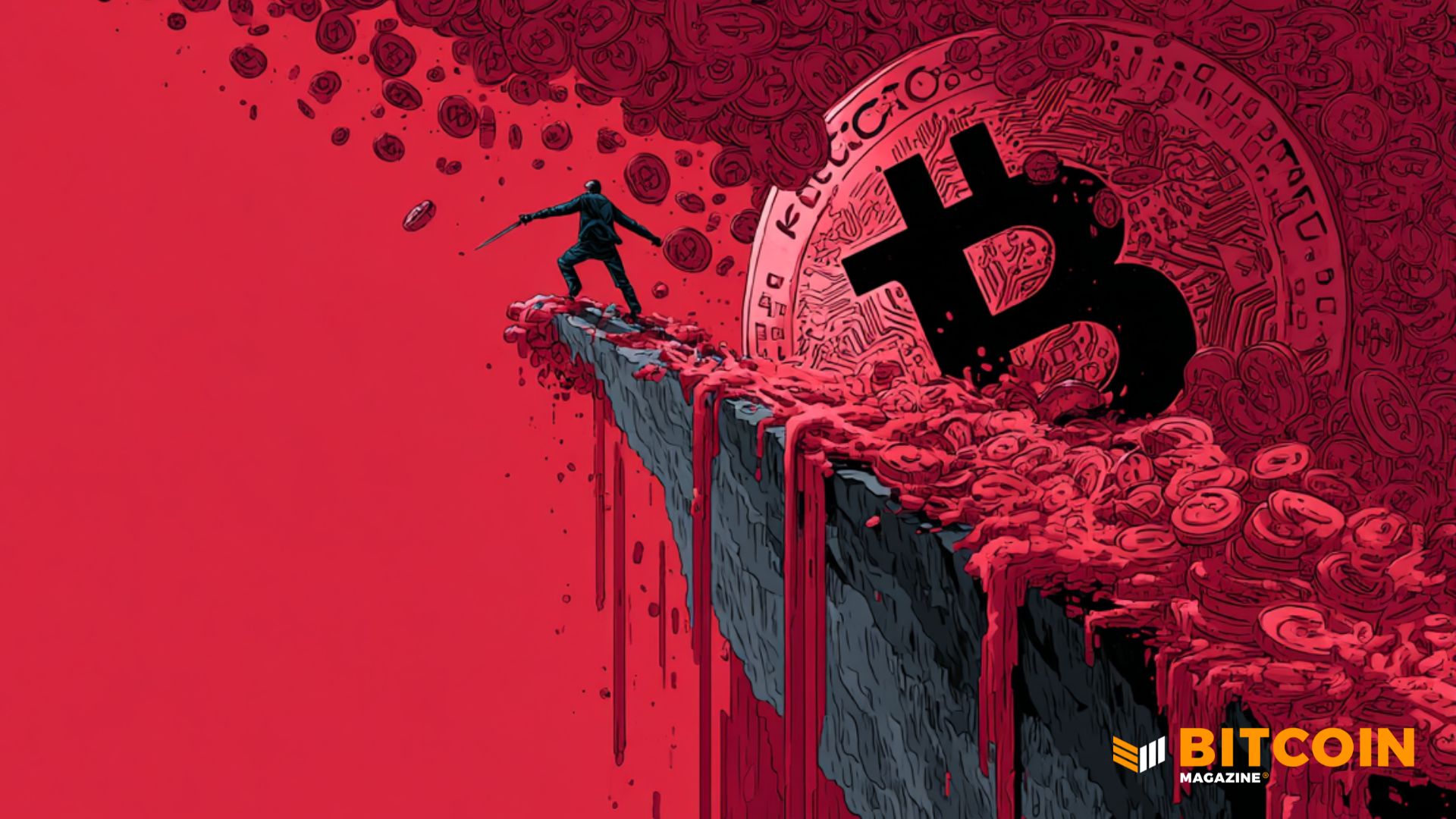
The cryptocurrency market, particularly Bitcoin (BTC), recently experienced significant volatility, with its price briefly surging above $90,000 early Wednesday in U.S. trading before rapidly tumbling back below $87,000 within minutes. This swift swing saw Bitcoin rally from approximately $87,000 to over $90,000 around 10:00 a.m. EST, only to retrace quickly into the $86,500–$87,500 range. At the time of writing, Bitcoin's price hovered near $86,000, marking a decline of over 0.5% in 24 hours, despite having been more than 3% higher just moments before.
This sharp price action triggered over $190 million in liquidations across crypto derivatives markets. Both long positions, which bet on rising prices, accounted for $72 million in liquidations, while short positions, betting on declines, saw $121 million liquidated, according to CoinGlass data. Market observers attributed these erratic moves, in part, to sharp losses in AI-focused technology stocks. Companies like Nvidia, Broadcom, and Oracle experienced drops between 3% and 6%, contributing to a more than 1% decline in the Nasdaq.
Further dampening AI sentiment, Blue Owl Capital reportedly withdrew from a $10 billion Oracle data center project in Michigan, unsettling traders who had relied on tech optimism to fuel risk appetite. Hunter Rogers, co-founder of bitcoin yield protocol TeraHash, described the market as "exhausted," suggesting that even mild selling activity is now sufficient to push prices lower. Shrinking liquidity, particularly during weekend trading periods, exacerbates these movements, leaving Bitcoin vulnerable to sharp price whipsaws with limited buy-side support.
Technical analysts are closely monitoring the $80,000–$85,000 range as a critical support zone for Bitcoin. Maintaining this level is seen as crucial to prevent deeper retracements. A sustained breach below this range, however, could pave the way for further declines. Short-term caution remains widespread, with Georgii Verbitskii, founder of crypto investment platform TYMIO, warning of a likely prolonged period of consolidation or correction. He suggested potential downside moves toward $60,000 or $70,000 if current support levels fail to hold. Adding to the divergence of expert opinions, Mike McGlone, senior commodity strategist at Bloomberg Intelligence, has even projected a potential drop to $10,000 for Bitcoin by 2026.
Despite the near-term uncertainties, the longer-term narrative for Bitcoin largely remains intact. Institutional participation continues to grow, bolstered by spot Bitcoin ETFs and an increasingly defined regulatory landscape. Analysts at Bitwise recently published a report suggesting that Bitcoin might diverge from its historical four-year market cycle, potentially achieving new all-time highs in 2026 while exhibiting reduced volatility and a lower correlation with equities.
The Bitwise report challenges the notion that Bitcoin's traditional four-year cycle, historically tied to halvings and characterized by gains followed by pullbacks, will persist. Analyst Matt Hougan highlighted that the conventional drivers—halving effects, interest rate fluctuations, and leverage-driven booms—are now diminishing in influence. He pointed to a decreasing impact from halvings, anticipated lower interest rates in 2026, and a reduction in systemic leverage post-October 2025's record liquidations. Enhanced regulatory clarity is also viewed as a factor that could mitigate the risk of major market crashes, thus altering the cycle.
Furthermore, Bitwise addressed the long-standing criticism regarding Bitcoin's volatility, often cited as a deterrent for mainstream investors. According to their analysis, Bitcoin demonstrated less volatility than Nvidia stock throughout 2025, a comparison Hougan believes underscores the asset's ongoing maturation. Data within the report indicates a consistent decline in Bitcoin's volatility over the past decade, concurrent with the diversification of its investor base and the expansion of access through traditional investment vehicles like ETFs.
The current market sentiment, as reflected by the Bitcoin Fear and Greed Index, sits at 16/100, signaling "extreme fear" among participants. This heightened investor anxiety may lead to overreactions to recent price movements. Historically, readings in this range have often coincided with undervalued market conditions, potentially indicating a contrarian buying opportunity for those prepared to navigate emotional volatility. Notably, the index was near 11/100 yesterday despite a higher Bitcoin price point, with the price now trading below $86,000.