Biohacking, Genetic Engineering, and the Future of Technology
An in-depth look at biohacking and genetic engineering, exploring CRISPR, ethics, breakthroughs, risks, and what the future of human optimization means for society.
For centuries, humans have always looked for ways to improve and outsmart biology. From herbs and various routines of survival to modern medicine, the desire to live longer, stronger, and smarter has always been present.
What has changed over the years is not the intention, the intention is still , but the tools. Today, that desire has a name—biohacking—and it literally sits at the intersection of biology, technology, ethics, and personal freedom.
Alongside it is genetic engineering, once confined to high-security laboratories, now slowly finding its way into school experiments, projects, and health initiatives.
This is no longer science fiction, it is happening in real time and the implications are too significant to ignore, because everyone wants to know what is possible and what can be controlled.
What Biohacking and Genetic Engineering Really Mean
Source: Google
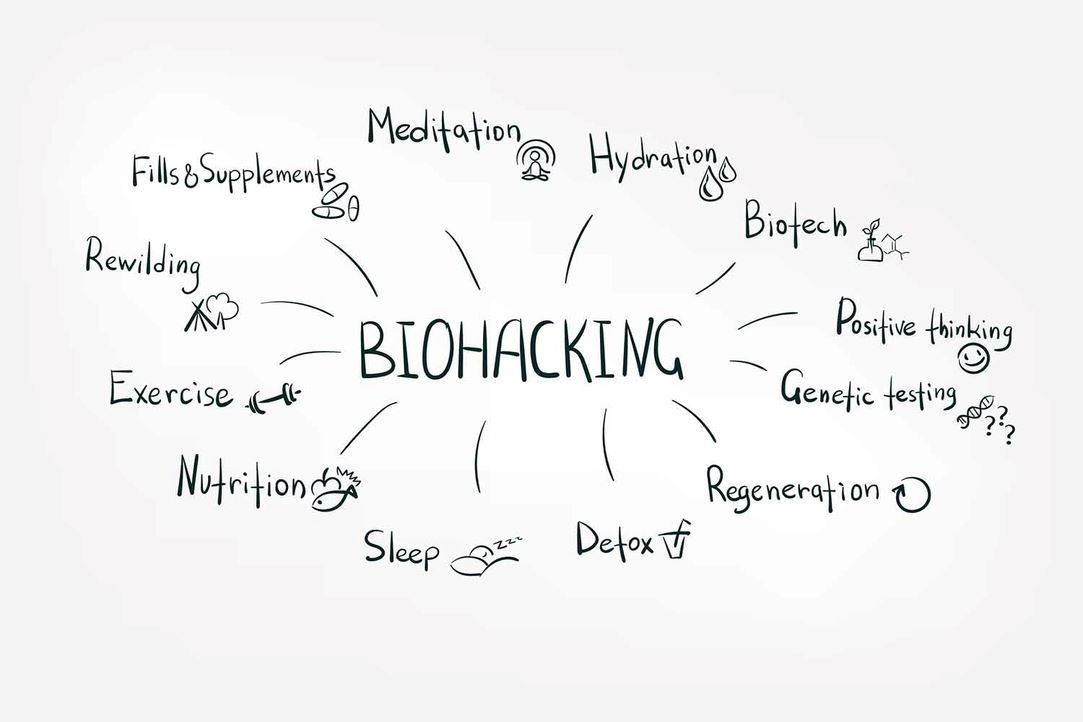
Biohacking, in the most simplest form of explanation, is the attempt to understand and optimize the human body using science, data, and experimentation. It ranges from harmless lifestyle tweaks to deeply controversial genetic interventions. Think of it as a large spectrum of unrelated practices rather than a single practice.
On one end, there is lifestyle biohacking—people tracking sleep, monitoring glucose levels, experimenting with diets like intermittent fasting, using nootropics for focus, or exposing themselves to cold to build resilience. These practices are already mainstream, powered by wearable technology and wellness culture that have evolved overtime.

Then comes technology biohacking, this is where biology and technological hardwares intersect for innovation. This includes wearable devices that track brain waves, heart rhythms, or stress levels, and more extreme practices like implanting RFID chips under the skin that are used to store data. To some, it is a futuristic convenience, to others, it is a quiet erosion of boundaries between body and machine.
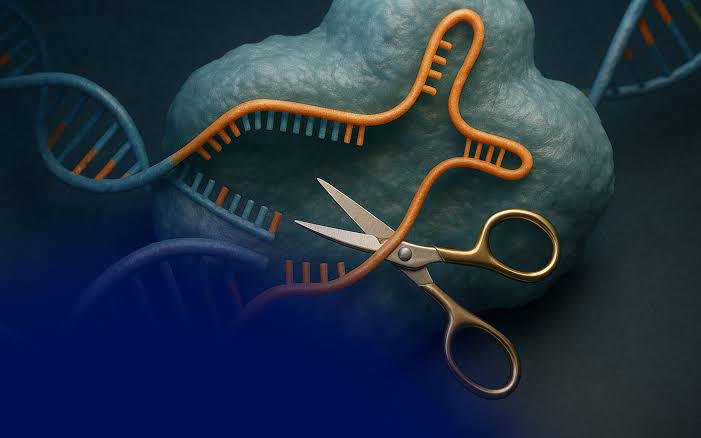
At the far end of this discussion lies genetic biohacking, the most sought after and controversial of all. This involves directly altering genetic material, often using tools like CRISPR-Cas9, a gene-editing technology that allows scientists to cut and modify DNA with unprecedented precision. What once required billion-dollar labs is increasingly accessible and most are now affordable through technological growth and education and can even be done privately, if you ask me, with access to information and the right tools.
This is where the ethical tension begins here. Who gets to decide what is an acceptable modification and who gets access to it? Is optimizing DNA an extension of personal autonomy, or does it cross into dangerous territory? When does curiosity become reckless?

These are not abstract questions anymore, they are immediate, unresolved and needs immediate answers.
Growth, Breakthroughs, and the Speed of Progress
The rise of biohacking is driven by one major idea: the democratization of science. Many biohackers believe knowledge should not be locked behind institutions, journals, or regulatory walls.
They argue that innovation moves faster when individuals are allowed to experiment freely, especially when traditional systems feel slow, expensive, or inaccessible.
This mindset has produced some striking moments. Independent biohackers, private labs and schools have attempted gene therapies aimed at muscle growth or viral resistance. Some have even injected themselves with experimental CRISPR treatments, that have had various outcomes .
The availability of tools like CRISPR has changed the game. What makes it powerful is also what makes it dangerous, its simplicity. Editing genes is no longer theoretical, it is now practical, fast, and relatively cheap. Companies like The ODIN selling genetic engineering kits have lowered the barrier to entry, allowing people with little formal training to experiment with living systems.
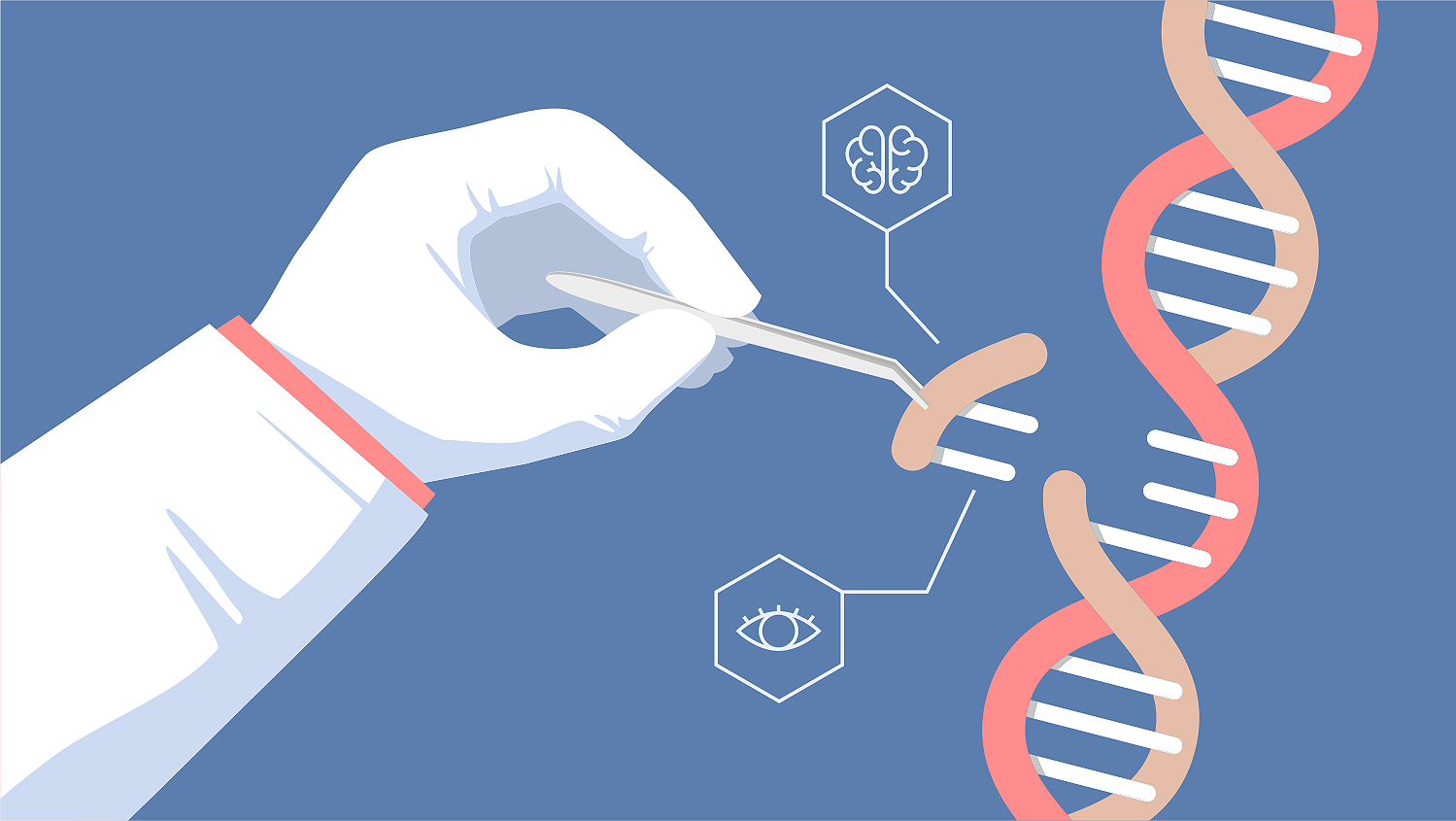
There have been genuine breakthroughs too. Outside the DIY space, genetic engineering has already led to major advances in medicine, including potential treatments for inherited diseases, cancer therapies, and viral resistance. These successes fuel the belief that faster access could save lives.
But progress without guardrails comes at a cost. Self-administered genetic interventions lack clinical trials, peer review, and safety oversight. Mistakes are not just personal, they can be biological, environmental, and irreversible.
Improper disposal of modified organisms could affect ecosystems, poorly understood edits could cause long-term harm and in extreme scenarios, genetic engineering has been identified by intelligence agencies as a potential tool for bioterrorism.
Regulatory bodies like the FDA insist that gene therapy is subject to oversight, but enforcement remains limited when experiments can happen privately. The result is a growing gray zone, too advanced to ignore, too decentralized to control easily.
The Future: Innovation, Responsibility, and the Human Question
The future of biohacking and genetic engineering will not be defined by technology alone, but by the choices humans make around it. Banning curiosity has never worked, but we cannot deny the fact that unregulated freedom has consequences.
One critical issue is informed consent. In self-experimentation, individuals may underestimate risks or abandon proven medical treatments for unverified DIY solutions. The line between empowerment and misinformation becomes thin, especially in communities where anecdotal success stories travel faster than scientific caution.
Another issue is inequality. If genetic optimization becomes effective but expensive, who gets access? Does enhanced biology become a privilege? Do we risk creating a future where genetics, not effort, defines opportunity?
There is also a deeper question that we all need to ask ourselves: What does it mean to be human in an age where biology is seemingly possible to be edited? If suffering, limitation, and imperfection can be engineered away, do we lose something essential or gain freedom we were never meant to have?
Many experts argue that the path forward lies not in outright bans, but in education, transparency, and community self-governance. Teaching people the risks, ethics, and limits of genetic modification may prove more effective than policing curiosity after the fact. Innovation thrives when responsibility grows alongside it.
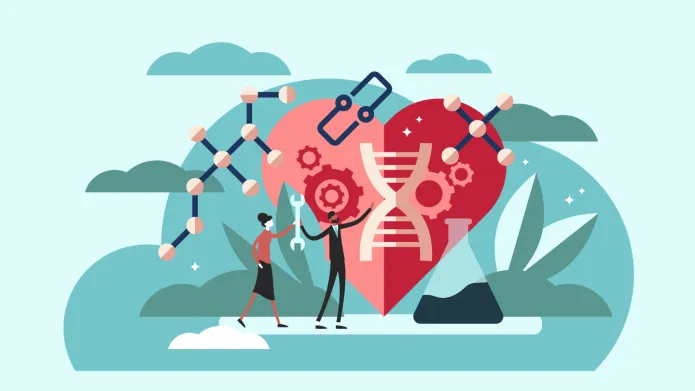
Biohacking is not inherently reckless or disastrous. Genetic engineering is not inherently evil. They are tools—powerful ones and like all tools, their impact depends on how, why, and by whom they are used.
The future of technology is not just about faster machines or smarter algorithms. It is about how deeply we are willing to edit ourselves, and whether wisdom can keep pace with power. That question, more than any gene sequence, will determine what comes next.