Beyond the Pitch: The Economy Around African Football
African football creates economic opportunities far beyond the players on the pitch through academies, digital media, women’s football, match-day businesses and player development.

When an African footballer signs for a European club, the transfer fee is usually the main story.
We talk about what the move means for the player, how much his former club will receive and whether he will succeed abroad.
But long before that contract is signed, football has already put many people to work.
Now, this is because someone coached the player, an academy gave him a place to train, a scout noticed him, drivers took the team to matches, medical workers treated injuries, and organisers found pitches and arranged competitions.
The player may become the star, but an entire network helped him get there.
That network is part of an African football economy that often goes unnoticed because much of it operates away from television cameras and major transfer announcements.
The first earnings are often local
Football does not need to produce the next global star before it creates economic value.
At a youth tournament or domestic league match, coaches prepare the teams, referees control the game and medics stand by for injuries.
Vendors sell food and drinks, photographers cover the action, while local businesses supply kits, boots, water and equipment.
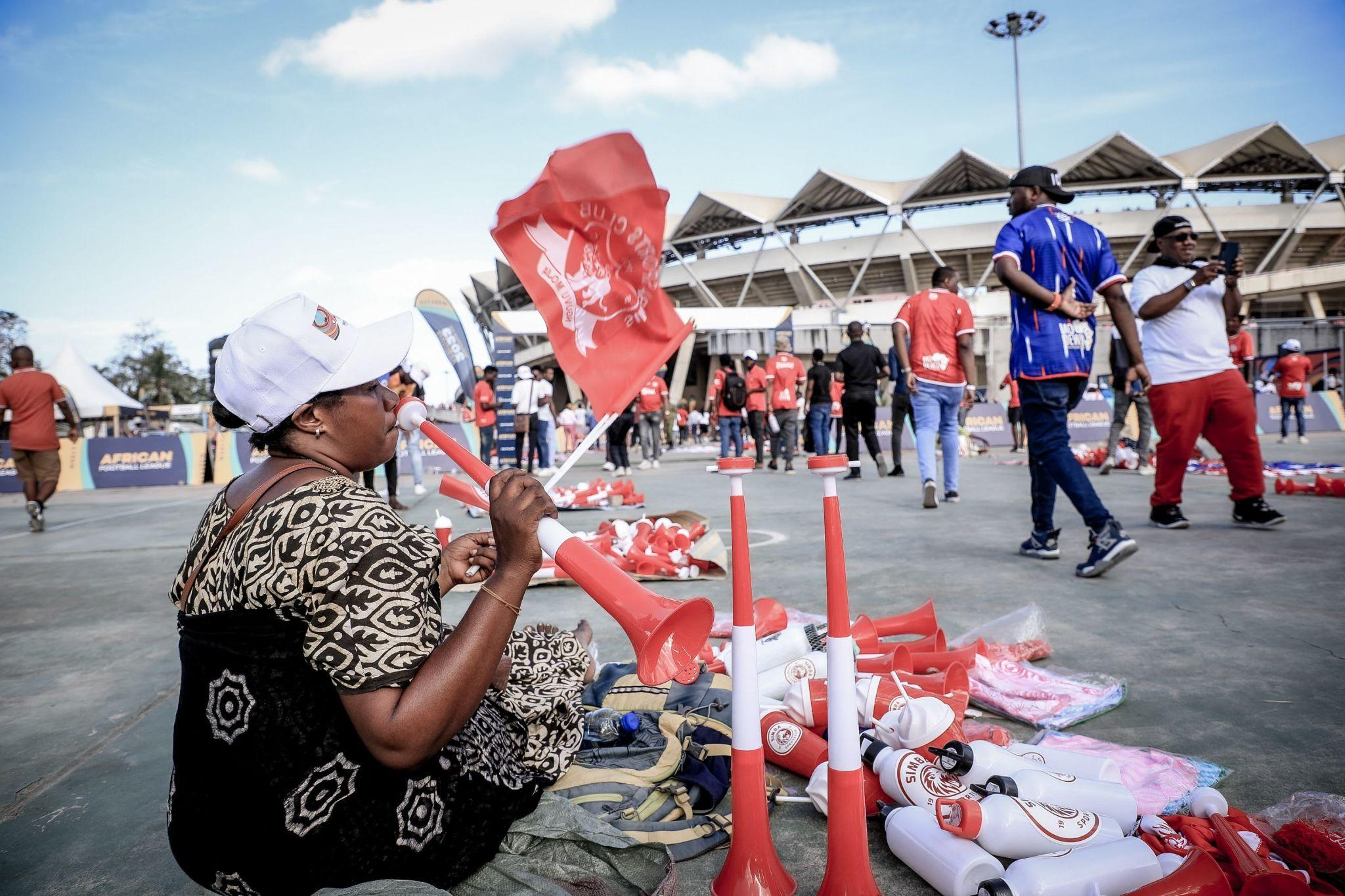
These people also make their money, and it matters a lot.
When Remo Stars defeated Niger Tornadoes in Ikenne in April 2025 to secure their first Nigeria Premier Football League title, the attention naturally went to the players and the result.
But staging that match also required officials, security workers, broadcasters, equipment suppliers and others whose names would never appear on the scoresheet.
This is what football's local business looks like. It is not always glamorous, and not every job is permanent, but real work is taking place around the game.
For many young Africans, this is where another path opens. Someone who does not become a professional player may discover a future in coaching, physiotherapy, photography, sports management or match analysis.
The phone has created new ways to earn
You really do not have to go to the stadium or necessarily sit in front of the television to watch a match.

Today, a young creator can analyse matches on YouTube, produce graphics for a club, host a podcast or build a social-media page around African football.
Others work behind the scenes in editing, presentation, design and audience management.

The audience is already there.
CAF said the 2025 Africa Cup of Nations in Morocco generated six billion digital views, including 5.2 billion video views.
More than one million fan-generated TikTok videos were also created around the competition.
Those numbers do not mean that every football creator is earning money, but they do show the size of the attention surrounding the game.
Creators, clubs and media companies can turn part of that attention into advertising, sponsorships, production work and brand partnerships.
The conversation around football has become a product of its own.
Women's football is opening another market
For years, most football investment and media attention followed the men's game and that is beginning to change.
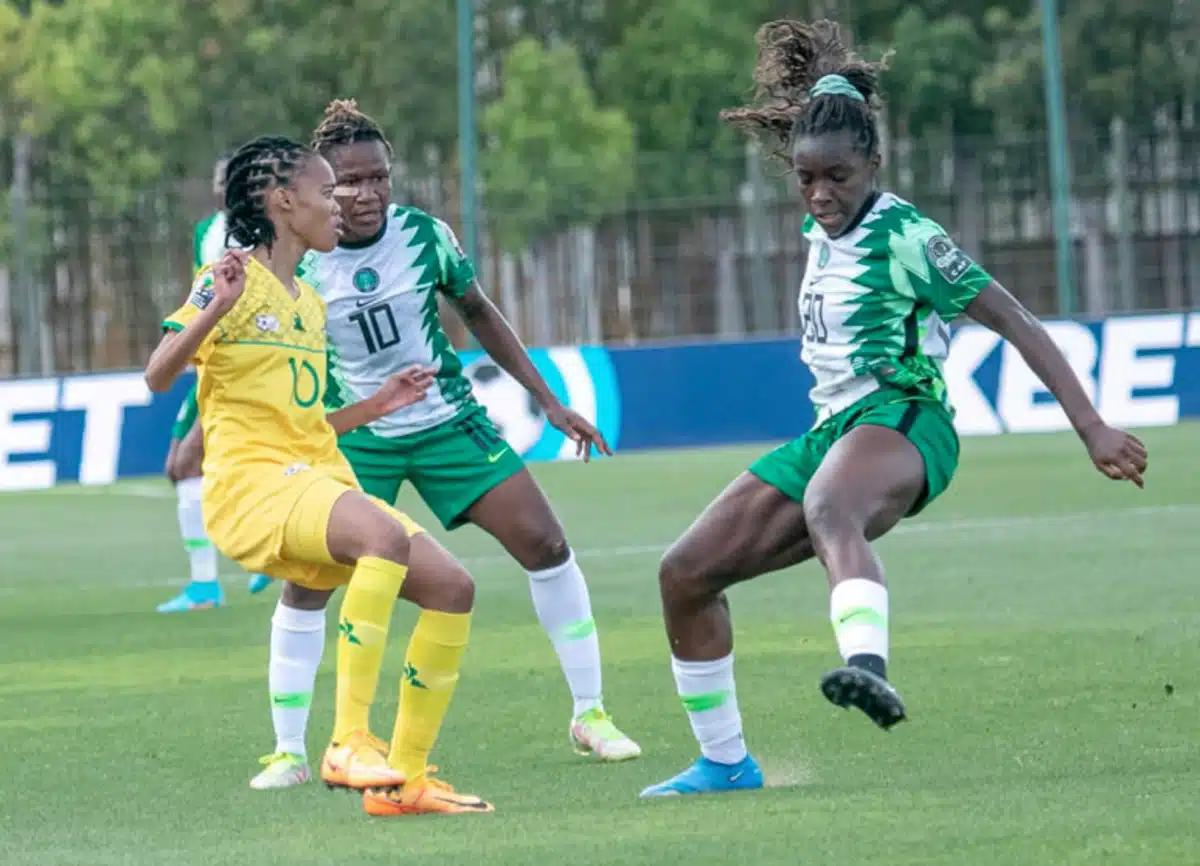
Nigeria's Super Falcons, South Africa's Banyana Banyana and Morocco's women's team have helped attract larger audiences to women's football. As interest grows, clubs and competitions need stronger technical, medical, administrative and media teams.
The transfer market offers another sign of that change. FIFA recorded 2,440 international transfers in women's football in 2025, while transfer spending rose by more than 80 per cent to $28.6 million.
The women's market remains small beside the men's, but its expansion can support more teams, competitions and off-field careers.
One match supports more than two teams
A football competition does not create business only for the clubs taking part.
Supporters need transport, food and sometimes accommodation. Broadcasters hire production crews, sponsors pay for visibility, and match venues depend on people working behind the scenes.
Even a smaller domestic fixture can bring extra customers to businesses around the stadium. The impact may never appear in a major financial report, but it can be felt by the driver making more trips or the vendor recording better sales that day.
Weak facilities, irregular funding and poorly organised competitions still prevent many of these activities from becoming stable careers. But the work already exists.
The transfer is only one part of the story

FIFA recorded 86,158 international transfers across men's, women's and amateur football in 2025. It also reported that clubs in the men's professional game spent a record $13.11 billion on international transfer fees.
African players are part of that market, but transfers should not be the only way we measure what football contributes to the continent.
We should also see the academy developing young players, the coach earning a living from training them, the creator turning a match into content and the businesses serving supporters on match day.
Not everyone working in football will become famous and many will never step onto the pitch but they are still part of the game.
The transfer fee may make the headlines, but the economy around the player was already at work long before the world knew his name.