Between Culture and Consent: Rethinking Sex Education in African Homes
Silence has long stood in for sex education in African homes—often at great cost. This bold essay explores how cultural taboos, religious silence, and gendered expectations leave youth vulnerable, and why consent-centered conversations must begin at home.
.jpeg)
Written By: Unusere Precious
INTRODUCTION: Silence in the Living Room
In many African homes, sex education isn’t education at all. It’s silence. Or, at best, a vague warning: “Don’t bring shame to this family.” Conversations about bodies, consent, and pleasure are seen as corrupting, rather than clarifying. The result? Generations raised with confusion, fear, guilt—and often, trauma.
But what happens when we let shame and taboo speak louder than truth? When we allow culture to gatekeep knowledge that could protect, empower, and liberate?
It’s time to ask: Who is responsible for teaching African children about consent, safety, and self-worth and why have we waited so long to start?
THE CURRENT STATE: What Passes for “Sex Talk”
In many African households, “the talk” isn’t a conversation—it’s a command. A stern warning cloaked in metaphor: “Don’t let any man touch you,” “Keep yourself pure,” or “If a boy hugs you, you’ll get pregnant.” There’s no room for curiosity, no space for questions, and certainly no mention of consent, pleasure, or emotional readiness.
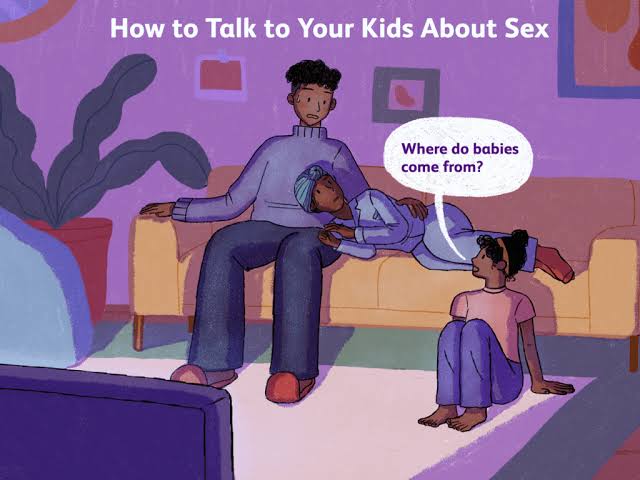
Photo Credit: SchoolCompass
Teenagers are learning, but not from trusted adults. They're learning from the internet, locker room myths, and trial-and-error experiences that can come at a heavy cost: shame, trauma, misinformation, or worse.
The result? A generation caught between two extremes—moral fear at home and reckless exposure outside. And without safe guidance, they’re left to navigate their sexuality blindfolded.
CULTURE, SHAME & SILENCE
In many African cultures, silence around sex is mistaken for virtue. Conversations about sexuality are viewed as dangerous invitations—especially when had with young people. The result is generations raised to believe that ignorance equals innocence.

Photo Credit: Istockphoto
Modesty is not just encouraged; it’s demanded. Girls are taught to sit properly, dress decently, speak softly. They are taught “A well-brought-up girl doesn’t ask questions about sex” or “If you train a girl too much, she’ll go astray.” Cultural sayings like “You don’t teach a child about fire lest they get burned” or “Talking about sex plants bad thoughts” reveal how fear, rather than education, guides most parenting.
This cultural silence robs children of the language to name abuse, ask questions, or set boundaries. It doesn’t prevent sexual encounters—it only ensures those encounters happen in confusion, fear, and guilt. And in this silence, abuse thrives.
THE CONSEQUENCES OF NOT KNOWING
When children and teenagers are denied proper sex education, the silence doesn’t protect them—it endangers them. Without understanding consent, boundaries, or their own anatomy, many young people become vulnerable to abuse, coercion, and shame.
They may not even have the language to describe what happened to them, or the confidence to speak up.
For girls, this often results in early pregnancies, victim-blaming, and unsafe abortions. For boys, it can lead to internalized confusion, emotional detachment, or the normalization of aggressive sexual behavior.

Recent Studies have consistently demonstrated that CSE reduces early pregnancy, sexually transmitted infections, and delayed sexual debut.
In a digital age where porn, peer pressure, and online trends serve as unfiltered teachers, the absence of honest, age-appropriate conversations leaves devastating emotional and physical scars. Ignorance isn’t innocence—it’s a vacuum where harm can thrive.
WHY CONSENT IS MISSING
Consent is not a complicated concept—it simply means giving clear, informed, and enthusiastic permission. But in many African homes, this basic idea is rarely taught. Instead, young people grow up knowing more about shame than about their right to say "yes" or "no."

Photo Credit: Consent.gov.au - Google Image.
A 2022 review of research across Sub‑Saharan Africa found that most parent–teen conversations focus on hygiene, abstinence, or pregnancy, and rarely cover consent, pleasure, or sexual rights largely due to cultural fears and discomfort
Because consent isn’t clearly defined or taught, many African youths enter adolescence and adulthood without the tools to recognize coercion. A girl may not understand that being pressured by a boyfriend is not love.
A boy may not know that being told to “be a man” doesn’t mean ignoring a partner’s discomfort. In this vacuum, sexual violence hides in plain sight—mislabeled as miscommunication, curiosity, or “just how things are.”
Worse still, victims are often blamed for their own trauma. Without a cultural script for consent, society defaults to judgment: “Why were you there?”, “What were you wearing?”, “Did you say no loud enough?” In these questions, the absence of consent education becomes painfully visible—and painfully costly.
THE ROLE OF RELIGION & GENDER BIAS
In many African homes, religion is the moral compass that shapes conversations about sex—or more accurately, the lack of it. But while religious teachings often emphasize purity, abstinence, and moral conduct, they rarely offer balanced education rooted in empowerment, awareness, or agency.
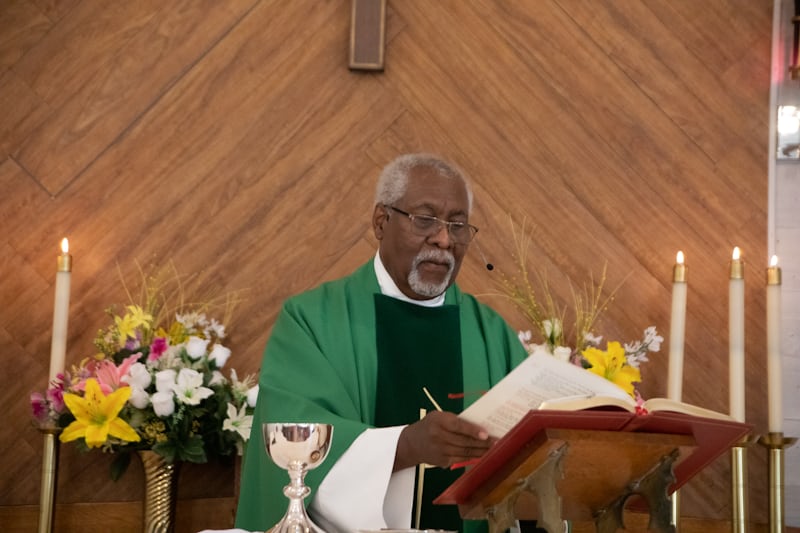
Photo Credit: Unsplash
This double standard reinforces power imbalances. While girls are taught to be gatekeepers of virtue, boys are left to navigate consent, desire, and respect without guidance.
The result? A generation where many know what is forbidden, but not what is right. Where girls grow up associating sex with shame, and boys with control or conquest.
Religion, in its purest form, is meant to guide with compassion and wisdom. But when teachings are gendered, silence is spiritualized, and questions are treated as rebellion, young people are left unequipped. Ignorance, then, doesn’t just become a personal failure—it becomes a collective one.
PARENTS VS REALITY: Who’s Doing the Teaching?
In the absence of open and honest conversations at home, African children and teens are not left in the dark—they’re left to the internet. Social media platforms, pornographic websites, TV shows, and peer groups have become the unofficial teachers of sex education. And unlike parents, these sources don’t hesitate, sugarcoat, or use metaphors.
Peers, too, fill the silence—offering myths disguised as wisdom: “You can’t get pregnant the first time,” “Consent is just a formality,” or “Sex is a way to prove love.” These half-truths are repeated in school corridors and WhatsApp groups, spreading faster than any parental warning ever could.

Photo Credit: Unsplash
By avoiding the topic entirely, many parents unintentionally outsource sex education to a digital world that prioritizes clicks over care. And the cost? A generation navigating their sexuality in secret, shaped more by algorithms than actual guidance.
REIMAGINING SEX EDUCATION AT HOME
If silence has been our tradition, then honesty must be our revolution.
Reimagining sex education in African homes starts with replacing fear with facts, shame with empathy, and silence with conversation. It’s not about encouraging children to have sex—it’s about giving them the tools to understand their bodies, set boundaries, recognize unhealthy behaviors, and respect themselves and others.
Sex education can begin with age-appropriate conversations—teaching young children the correct names for body parts, the concept of personal space, and what to do if someone makes them uncomfortable. As they grow older, the conversation can expand to topics like puberty, consent, safe sex, emotional health, and relationship dynamics.
Books, educational cartoons, podcasts, and trusted experts can become valuable allies in this journey. There are culturally sensitive resources created specifically for African contexts that help parents initiate these conversations without feeling overwhelmed or unprepared.
Most importantly, parents must unlearn what shame taught them. Talking about sex is not a betrayal of cultural values, it’s an act of protection and love. By speaking openly, today’s parents can raise a generation that isn’t confused or misinformed, but confident, respectful, and safe.
Breaking the cycle starts at home, with a simple but powerful message: Your body belongs to you, and you deserve to understand it.
CONCLUSION: From Silence to Safety
Sex education isn’t a betrayal of African values, it’s a bridge to safety, dignity, and autonomy. For too long, cultural discomfort, religious overtones, and generational silence have left children to piece together their understanding of sex from whispers, warnings, or the internet. But in a world where information is everywhere and predators often wear trusted faces, silence is no longer a neutral stance, it’s a dangerous one.
Reimagining sex education at home is not about discarding culture, but evolving it to meet today’s realities. It means choosing empowerment over fear, clarity over confusion, and truth over taboo.
“Because if we don’t teach them, someone else will—and not everyone teaches with care”.