Are Movie Remakes Ruining Original Cinema
Movie remakes dominate modern cinema, from Hollywood to Nollywood. While some bring fresh perspectives, others fail to capture the originals’ charm—raising questions about creativity, nostalgia, and the future of storytelling.
In recent years, movie remakes have become one of the most prominent trends in modern cinema, dominating box offices and streaming platforms alike.
From Hollywood blockbusters to Bollywood productions and Nollywood adaptations, studios are increasingly revisiting familiar stories and iconic franchises to appeal to both longtime fans and new audiences.
These remakes range from animated classics brought to life in live-action form, to cult hits, horror franchises, and international films reinterpreted for global markets.
While some remakes are praised for innovation—updating stories with modern technology, diverse casting, or fresh storytelling perspectives—others face harsh criticism for failing to capture the charm, emotional depth, or cultural significance of the originals.
Audience reactions often vary dramatically: some embrace new interpretations, while others reject them outright, accusing studios of prioritizing profit over creativity.
The rise of remakes highlights a broader tension in the film industry. On one hand, they reflect the commercial realities of a high-budget, competitive market where studios prefer “safe bets” with established audiences.
On the other hand, they provoke questions about the state of artistic innovation in cinema, the preservation of original storytelling, and the balance between honoring nostalgia and introducing new ideas.
Ultimately, remakes are more than just a trend—they are a reflection of how modern audiences consume, interpret, and demand stories in an era defined by instant access, global connectivity, and ever-evolving cultural expectations.
They invite a critical examination of creativity, cultural nostalgia, and the future of storytelling, challenging filmmakers to deliver content that resonates emotionally while respecting the legacy of the originals.
Why Remakes Are So Common
Remakes offer studios significant financial security, as they carry a built-in audience and a recognizable brand. This makes them lower-risk investments compared to entirely original stories, which may struggle to attract attention or generate box-office returns.
Technological advancements in CGI, sound design, and cinematography have also made it possible for filmmakers to reimagine classics in ways that were previously impossible.
This is especially evident in live-action remakes of animated films, where modern technology allows for visually stunning reinterpretations.
Additionally, remakes can introduce beloved stories to younger audiences who may not have experienced the originals, helping studios maintain cultural relevance across generations.
The Case Against Remakes
Despite their popularity, remakes often face criticism for several reasons. Many argue that the focus on remakes discourages original storytelling, as studios may invest more resources into known properties instead of supporting fresh ideas and new voices.
Another concern is the loss of original charm. Numerous remakes fail to capture the magic, emotional depth, or cultural resonance of the originals, leaving fans feeling that the story’s essence has been diluted.
Some remakes also rely almost entirely on nostalgia, offering little innovation or reinterpretation. Such films can feel hollow, appealing more to sentiment than to creativity, and often struggle to leave a lasting impact beyond their built-in audience.
Examples of Remakes Facing Backlash

Some recent and historical examples illustrate why remakes can provoke disdain:
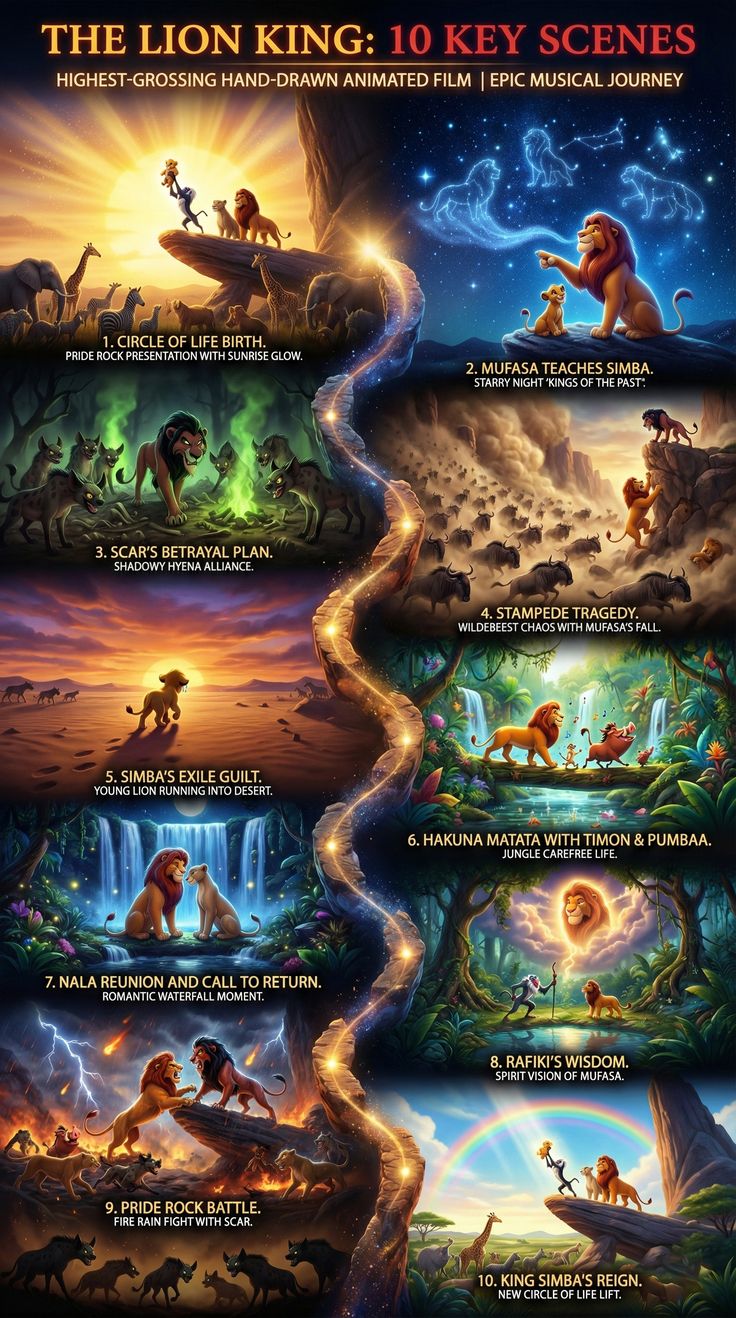
• The Lion King (2019): Praised for visual effects but criticized for losing emotional expressiveness.
• Ghostbusters (2016): Reboot with an all-female cast sparked debate and fan backlash despite a modern approach.
• Death Note (2017): Criticized for whitewashing characters and straying from the original manga’s narrative.
• Dumbo (2019): Seen as lacking the charm and heart of the 1941 animated classic.
These examples highlight a common pattern: remakes often face the harshest criticism when the original has iconic status or a devoted fanbase.
When Remakes Succeed
Not all remakes fail to impress. Successful remakes often share certain traits that set them apart. Many excel through reinterpretation rather than simple replication, honoring the original while offering fresh perspectives, themes, or storytelling techniques.
Others achieve success by ensuring cultural relevance, updating narratives to reflect contemporary issues and making the story feel modern without betraying the source material.
Creative vision also plays a critical role; directors and writers who bring a strong artistic approach can transform familiar stories into innovative and impactful cinematic experiences.
Several recent remakes illustrate these qualities. Mad Max: Fury Road (2015) offered a fresh take on the 1979 original, earning praise for its visual storytelling, thrilling action sequences, and immersive world-building.
Similarly, It (2017) reimagined Stephen King’s horror classic, enhancing tension and character depth while appealing to both longtime fans and new audiences.
These examples show that when handled thoughtfully, remakes can honor the legacy of the original while creating something exciting and relevant for contemporary viewers.
The Bigger Picture: Balance is Key
The debate should not focus on whether remakes exist—they are inevitable in a commercial industry—but on balance.
Original cinema thrives when studios also invest in unique, innovative stories alongside remakes.
The risk lies in over-reliance on familiar titles, which can overshadow fresh voices, particularly in mainstream Hollywood.
Independent and international cinema often continue to lead the way in originality, proving that creativity is far from dead.
Conclusion
Movie remakes are not inherently harmful to original cinema. They can celebrate, reinterpret, and expand beloved stories when handled thoughtfully.
However, when studios prioritize profit and nostalgia over creativity, remakes risk undermining originality, leaving audiences craving stories they haven’t seen before.
The health of modern cinema depends on balance: supporting innovative storytelling while allowing remakes to coexist as respectful reinterpretations rather than replacements for original artistry.