Apple TV's 'Last Seen' Star Unveils Finale's Shocking Formula Break
The Apple TV series 'Last Seen' explores the harrowing aftermath of a child abduction, where a police detective's decade-long search collides with the isolated, lie-fueled world of the abductor and his family. Through intense performances, the show delves into themes of grief, obsession, and the profound journey of a young woman discovering her true identity amidst shattered realities.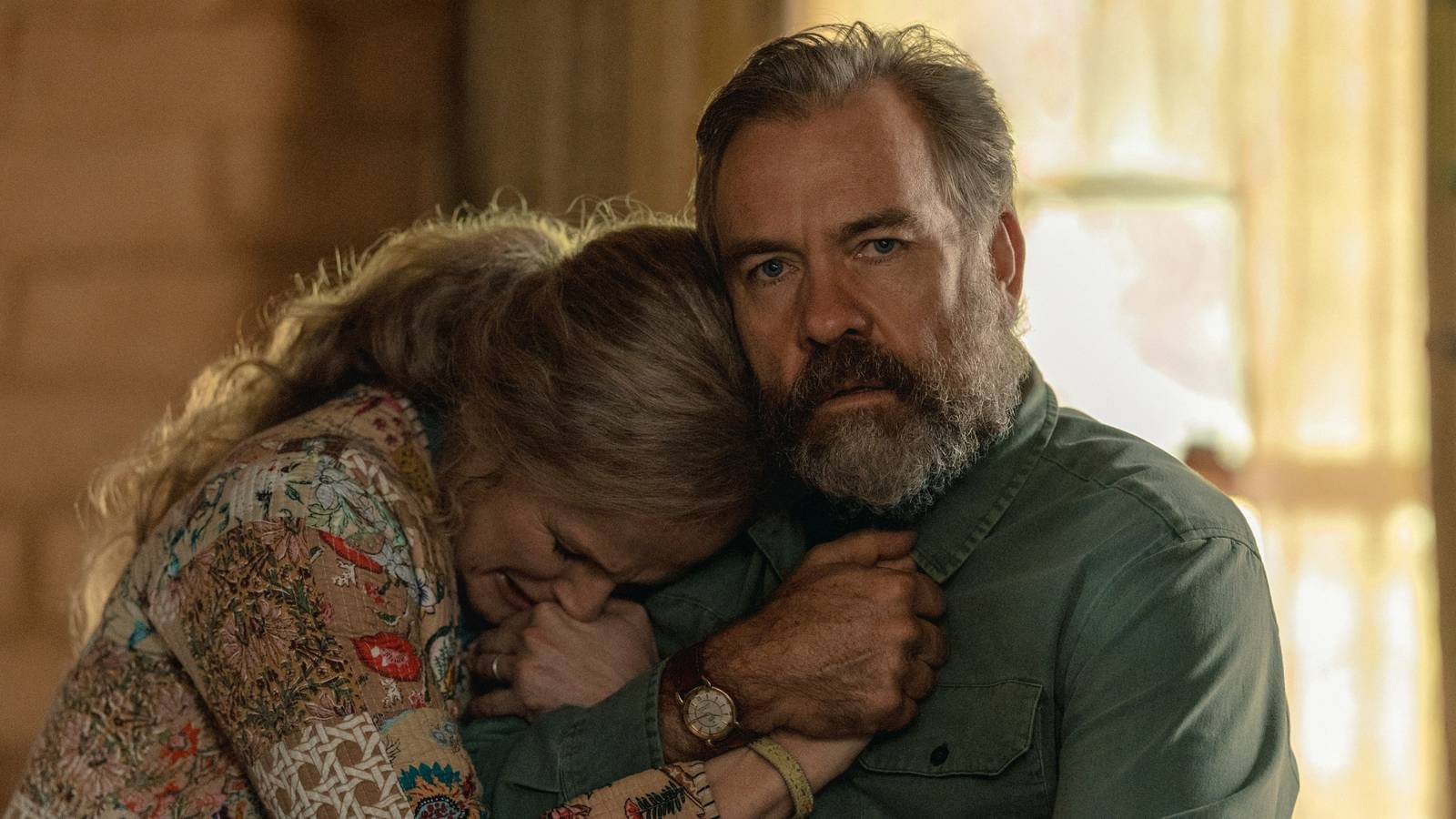
The Apple TV series 'Last Seen' delves into the profound impacts of grief, fanaticism, and lies, centering on the abduction of a child and the intertwined lives of her biological father, her abductor, and the girl herself. The six-episode season explores how extreme emotions can warp reality and shape destinies, particularly through the perspectives of police detective Ian Ridley, abductor Henry Reid, and Henry's wife Jenna, culminating in the pivotal coming-of-age of the abducted girl, Sarah (formerly Maggie).
At the heart of the series is Henry Reid (Brendan Cowell), a deeply religious man driven by a complex mix of grief for his wife Jenna's (Maxine Peake) pain, a desire for control, and a distorted sense of divine generosity. Cowell explains that once Henry crosses the line by abducting three-year-old Maggie, he feels he can never go back, constantly "doubling down to protect the secret," where lies become his family's normality. Henry justifies his actions by believing Maggie's real parents were "sinners" and that he could offer the "abandoned girl" a beautiful life, seeing his act as one of divine generosity. This singular obsession becomes his sole existence, even leading him to sacrifice himself for what he perceives as Sarah's best interest in the finale, recognizing his presence is no longer beneficial to her future. The series also highlights an element of male privilege and arrogance contributing to Henry's conviction that he was more deserving of the child.
Jenna, Henry's wife, experiences a different trajectory of coping. Unlike Henry, she struggles to emotionally compartmentalize. Maxine Peake describes how Jenna initially lives in an "alternate reality" within their isolated "fortress," a coping mechanism to save herself and Henry from the harsh truth. However, as she starts venturing into the outside world, the "cracks start to show" and "reality starts to seep in." Her "animal instinct" draws her closer to the real mother, making her feel her own building grief and recognize the parallel suffering, as the walls of her constructed kingdom begin to crumble.
On the other side of this tragedy is Ian Ridley (Patrick Brammall), a former police detective whose world shattered when his three-year-old daughter Maggie disappeared over a decade ago. Ian, refusing to believe she's gone forever, tirelessly searches for answers, living in limbo. Brammall explains that Ian's refusal to let go is not just about finding his daughter but also about redeeming himself after feeling he failed as a father and policeman. His desperate hope is reignited when he receives a distress call from a young girl who wonders if she could be the missing Mags. This emotionally powerful scene was made more authentic by Chloe Jean Lourdes, who actually called in during filming, allowing Brammall to access the necessary panic and conviction while maintaining a calm dispatcher demeanor. Ian's journey culminates in a tense confrontation with Henry, where his long-held desire for retribution is palpable, and he admits he would have killed Henry if Sarah hadn't intervened.
Chloe Jean Lourdes, in her debut screen role as Sarah (Maggie), is central to the narrative's resolution. Her character, isolated and sheltered by Henry, is forced to forge her own identity and make a pivotal decision in the finale. Both Cowell and Peake lauded Lourdes' exceptional professionalism, natural talent, and ability to keep seasoned actors on their toes. Sarah's choice in the finale, where she seemingly protects Henry, is complex; Cowell interprets it as her protecting Henry from murder and an almost non-intellectual decision based on her guardian, who has been her "safe place" her whole life. This moment underscores the series' modern take, investing agency in the victim and marking her coming-of-age. Despite the deep scars, Brammall believes Ian and Sarah have "a shot" at a future relationship, highlighting Ian's reconnection with his son as a hopeful sign.
The series, directed by Christian Schwochow, explores themes of parental grief, obsession, the fragility of truth, and the enduring quest for identity and justice. Its intense emotional landscape and complex character motivations resonate deeply, showcasing the devastating and far-reaching consequences of one man's fanatical actions.