Apple TV Has Come to Africa. But Are Africans Only Being Invited to Spend?
Apple TV’s African expansion is affordable and welcome, but it raises a bigger question: is Africa becoming a digital consumer market, or an equal participant in global value creation?
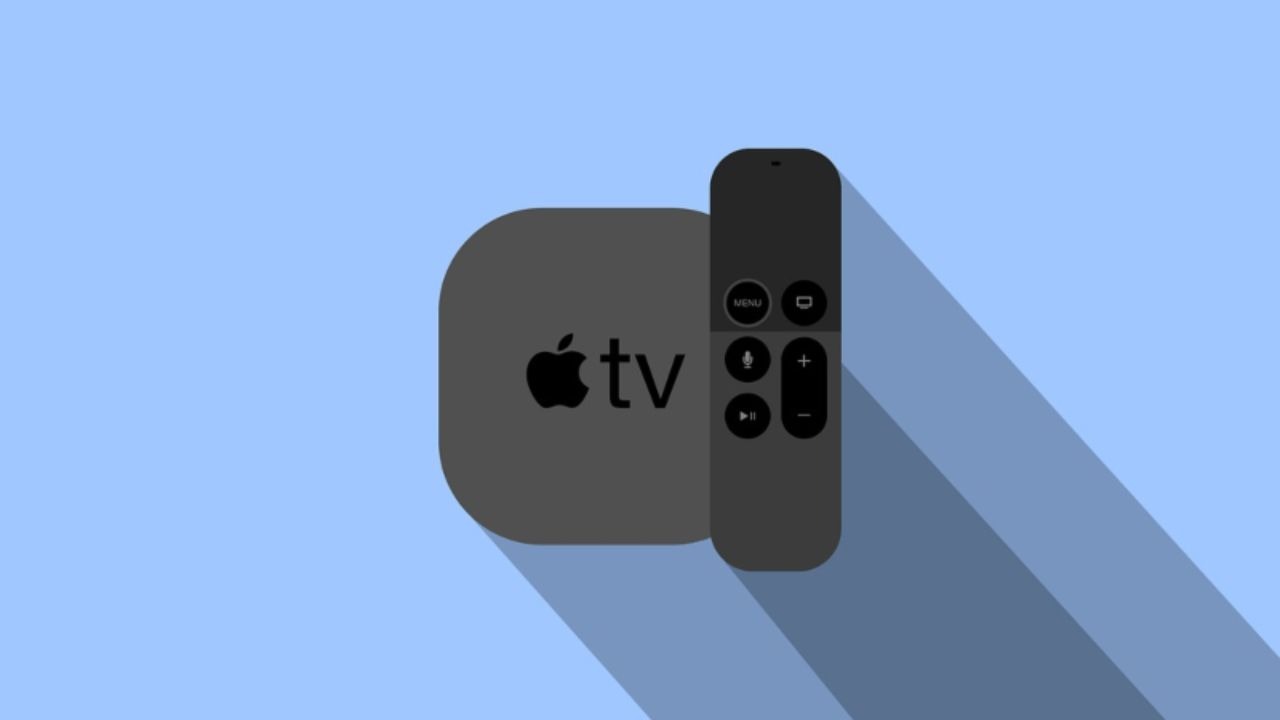
Whenever Apple enters a new market or releases a new product or service, people always notice. The logo is familiar, the brand carries its own excitement, and regardless of the price, there is usually little reason to complain.
So yes, Apple TV arriving in Nigeria is good news.
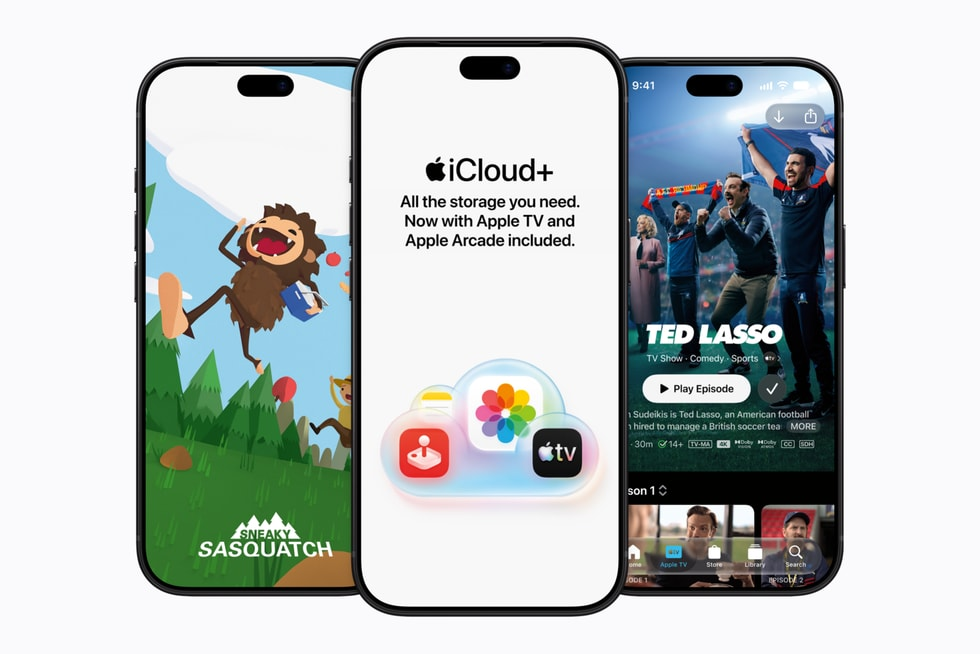
As part of Apple’s September 2026 expansion, Apple TV and Apple Arcade are being bundled with iCloud+ in Nigeria and dozens of other African countries. The African markets include Nigeria, Ghana, Kenya, South Africa, Egypt, Morocco, Algeria, Tunisia, Côte d’Ivoire, Senegal, Tanzania, Uganda and Zambia, among others. Apple says the wider expansion takes Apple TV to 170 countries.
In Nigeria, the entry-level iCloud+ plan is ₦1,300 a month, or roughly $0.99, and now includes Apple TV and Apple Arcade. That is an attractive price, especially when compared with some rival streaming subscriptions.
But after the excitement, I kept thinking about something else. Why are we so quick to celebrate another global platform arriving in Africa simply because Africans can afford to pay for it?
The question is not whether Africans should watch Apple TV. Of course we should. The question is whether Africa is being built into the global digital economy as a place to consume, or to create, own, sell and earn.
That is a bigger conversation.
The World Keeps Selling Africa More Things to Subscribe To
There is nothing wrong with being a customer. African consumers are a serious market.
But look at the pattern.
A global company arrives. It prices its service for the market. Africans pay for access. The company earns subscription revenue, gathers a larger international audience and expands its commercial footprint.
Everybody wins, right? Well, somebody is certainly winning.
The problem is that Apple TV does not offer a creator monetisation programme comparable to YouTube’s Partner Programme. You subscribe to watch Apple’s films and series; you do not get paid by Apple TV simply because you have videos, an audience, or generate engagement on the service.
While opportunities to work with or distribute content through the platform exist, they are more accessible to creators and production companies in American, European and Asian markets, leaving African creators with fewer direct monetisation pathways.
Apple has other ways for people and businesses to earn through its ecosystem. Developers can distribute paid apps and in-app purchases through the App Store, while musicians can earn through Apple Music under separate arrangements. Those are separate from Apple TV’s content model.
Africa is not short of creators. Nigeria, Kenya, Ghana, and South Africa have filmmakers, actors, writers, animators, musicians, comedians, storytellers and digital creators producing material that travels far beyond the continent.
The question is why the global digital economy so often meets them first as an audience.
We are told that Africa is the next big market. Wonderful. But a market is not the same thing as an economy.
Even YouTube Shows Us Where the Money Lives
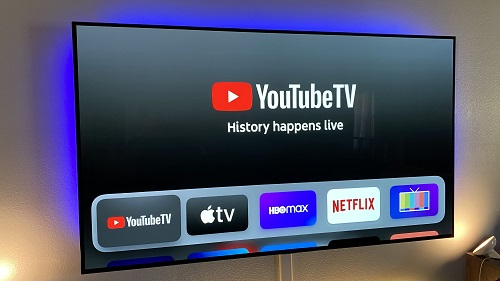
YouTube makes the issue easier to see because its monetisation is tied to advertising and audiences.
YouTube says creators in its Partner Programme can earn from Watch Page ads, Shorts, Premium subscriptions, memberships, Super Chat, Super Stickers and Super Thanks. For Watch Page advertising, YouTube says creators receive 55% of net ad revenue; for Shorts, creators receive 45% of their allocated Creator Pool revenue, while fan-funding features such as memberships and Super Thanks carry a 70% share of net revenue.

Yet the amount a creator actually earns is not determined simply by how many people watched. Advertising value varies by market, audience, advertiser demand, and other factors.
So a Nigerian creator with one million views from a largely Nigerian audience is not automatically earning what another creator with one million views from the United States, United Kingdom or other higher-value advertising markets might earn.
YouTube tells creators they can use analytics to identify which countries generate their estimated revenue and notes that advertisers target monetised markets. Nigeria is one of those monetised markets, alongside the United States, United Kingdom, Canada and many others.
There is nothing inherently unfair about advertisers paying different rates. Advertising budgets follow purchasing power, markets and demand.
But the result is still worth noticing.
The African creator can produce the content, build the audience, generate the attention and keep the platform busy, while the economic value of that attention can remain considerably lower when the audience is concentrated in lower-value advertising markets.
And then we celebrate when another platform arrives to sell us entertainment. You see the irony.
So Is Africa a Market, or a Participant?
Maybe the better question is not why Apple is charging Nigerians ₦1,300, or customers in other African countries $0.99, for iCloud+ with Apple TV and Arcade. Apple is a business, so there is nothing unusual about pricing products according to different markets and commercial strategies.
The more uncomfortable question is what African countries are building around these platforms.
If 40 African countries can become new destinations for Apple’s services, what would happen if the same energy went into making those countries stronger places to build digital products, own intellectual property, distribute African stories globally, and earn from international audiences?
Because consumption is not a bad thing. It becomes a problem when consumption is the dominant relationship Africa has with the digital economy.
We should be able to subscribe to Apple TV and still ask when the next African creator gets the infrastructure, payment systems, rights frameworks, investment and distribution channels needed to build something that the rest of the world subscribes to.
We should enjoy “Ted Lasso”, “Severance” and whatever else we choose to watch. But we should also ask why African platforms and creators are so often told about the size of our audience before they are told about the size of our opportunity to own the value created by that audience.
Africa has more than 1.5 billion people. That is a market.
But it is also a continent full of workers, entrepreneurs, artists, developers, filmmakers, and businesses.
If technology companies see Africans mainly as the next billion customers, they will keep selling us the future.
At some point, Africa should also start building enough of it to sell back.