APC Dominates FCT Council Polls Amidst Vote-Buying Allegations and Delayed Results
The Federal Capital Territory (FCT) area council elections in February 2026 saw the All Progressives Congress secure a dominant victory, winning five out of six chairmanship seats, while the Peoples Democratic Party claimed one. The polls were, however, overshadowed by concerns over low voter turnout, alleged irregularities, and logistical issues, sparking varied reactions from political leaders and civil society. These elections also brought to the forefront ongoing debates regarding the newly signed Electoral Act 2026 and its impact on electoral transparency.
The February 21, 2026 Federal Capital Territory area council elections delivered a commanding victory for the All Progressives Congress (APC), which secured five of the six chairmanship seats.
The Peoples Democratic Party (PDP) avoided a complete sweep by winning only in Gwagwalada. APC candidates prevailed in Bwari, Abuja Municipal Area Council (AMAC), Kwali, Abaji, and Kuje, consolidating the ruling party’s dominance in the FCT’s grassroots political structure.
In AMAC, incumbent Christopher Maikalangu polled 40,295 votes, while Joshua Ishaku won Bwari with 18,466 votes. Daniel Nuhu secured Kwali with 17,032 votes, Umar Abdullahi Abubakar retained Abaji with 15,535 votes, and Danjuma Samuel clinched Kuje with 17,269 votes.
The PDP’s Mohammed Kasim captured Gwagwalada with 22,165 votes. President Bola Tinubu congratulated the winners, attributing the APC’s success partly to the “remarkable achievements” of FCT Minister Nyesom Wike and urging elected officials to govern with humility.
APC National Chairman Nentawe Yilwatda described the results as proof of the party’s unity and grassroots strength.
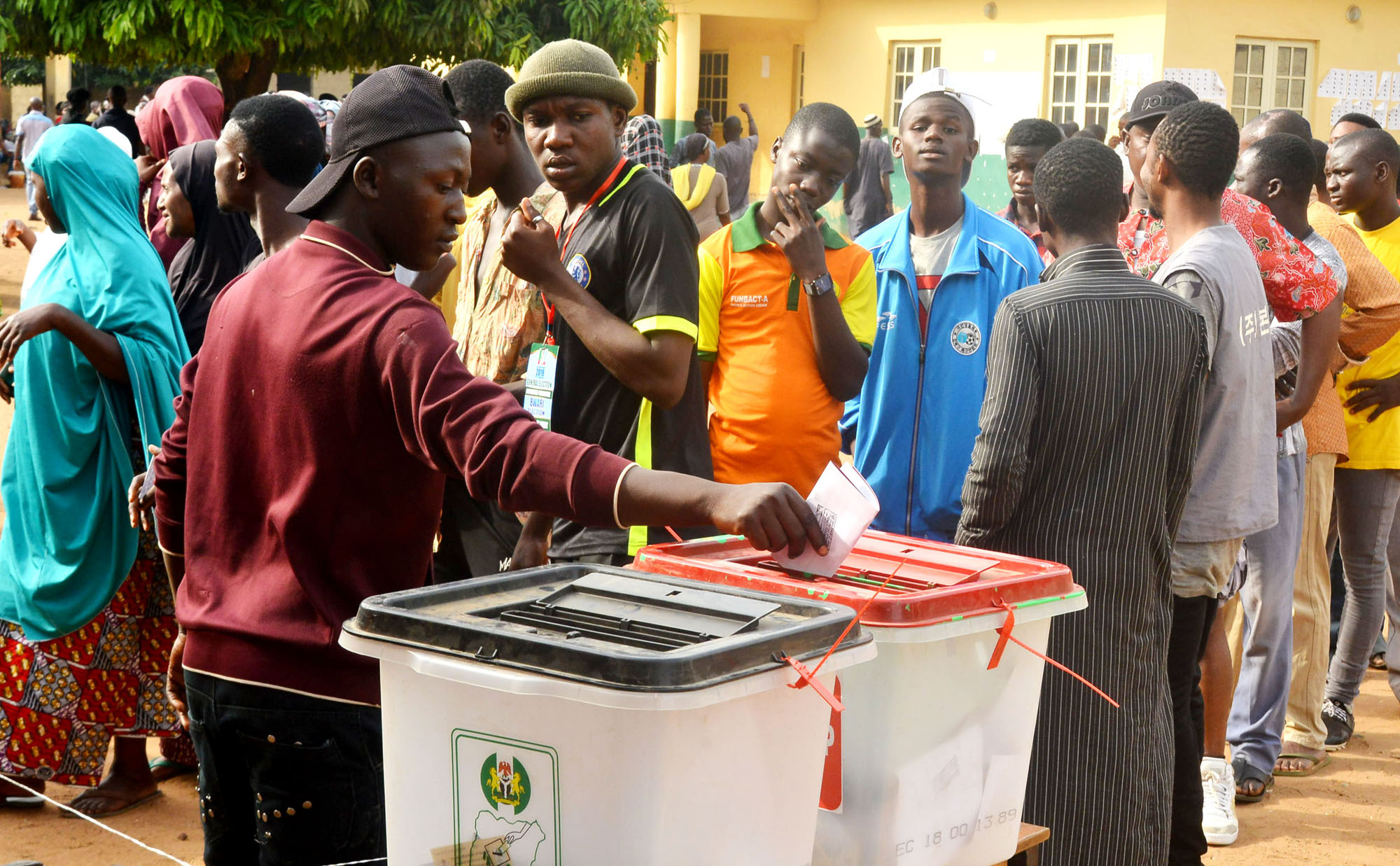
However, the polls were marred by controversy. Former Vice President Atiku Abubakar criticized low voter turnout as a troubling sign for Nigeria’s democracy, citing political intolerance and weakened opposition space.
The PDP alleged manipulation in parts of Kuje and raised concerns about delayed results, intimidation, and security interference.
Dr. Moses Paul of the African Democratic Congress rejected the AMAC outcome, alleging irregularities, while PDP stakeholders pointed to reports of armed personnel interfering with result sheets and voters.
Election observer group Yiaga Africa documented logistical lapses and disruptions across several wards, including late collation, intimidation by suspected political thugs, and temporary downtime of INEC’s IReV portal.
Incidents ranged from tear gas deployment in Zuba Ward, Gwagwalada, to vandalism in Ashara Ward, Kwali, and forced relocation of collation officials in Kuje Central.
Meanwhile, the Economic and Financial Crimes Commission (EFCC) arrested 20 suspects for vote buying and selling, recovering more than N17 million.
The elections also unfolded under the newly enacted Electoral Act 2026, which mandates electronic transmission of results, compulsory BVAS usage, and enhanced accountability for electoral officials.
While Senate Leader Opeyemi Bamidele defended the reforms as the product of extensive consultation, the Catholic Bishops Conference of Nigeria called for urgent review of provisions relating to electronic transmission to prevent manipulation.
As a test run ahead of the 2027 general elections, the FCT polls underscored the APC’s expanding grassroots influence while exposing persistent concerns over voter participation, electoral integrity, and implementation of new legal safeguards.