Mass Sardine Die-Off Raises New Alarm for South Africa’s African Penguins
A mass sardine die-off along South Africa’s coast is raising fresh concern for the country’s critically endangered African penguins, with researchers already tracking worrying changes in the birds’ weight at three breeding colonies.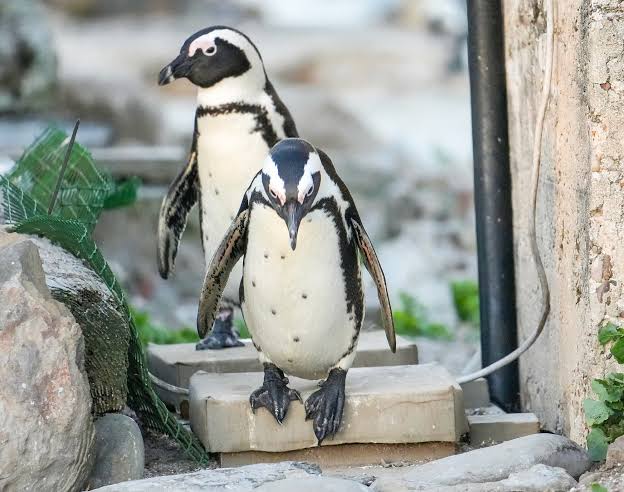
Dead and dying sardines have been reported along a large stretch of the South African coastline, while scientists investigate the cause of the mortality event. Laboratory tests have detected pilchard herpesvirus (PHV) in affected fish, but authorities have stressed that finding the virus does not yet prove it caused the deaths.
The development matters well beyond the fishing industry. Sardines are an important food source for African penguins, a species whose population has already been pushed to critically endangered levels by food shortages, habitat pressures and other threats. South Africa’s environmental authorities have previously documented a strong relationship between forage-fish availability and penguin survival.
Penguins are already showing signs of stress
Researchers monitoring seven African penguin breeding colonies have recorded weight declines at Dyer Island, Stony Point at Betty’s Bay and Robben Island during the period of the sardine die-off. The changes have not been uniform, however, with birds at some sites subsequently recovering weight.
That makes the current evidence worrying, but not yet conclusive. Researchers are still examining whether the loss of sardines is affecting penguin condition and how long any impact might last.
Weight is an especially useful warning signal because penguins regularly cross automated weighbridges at some colonies, allowing researchers to monitor their condition without repeatedly capturing the birds. The African Penguin currently has an estimated 19,800 mature individuals, according to recent monitoring reported by conservation researchers.
The concern is rooted in more than a single bad season. South African research has previously found that African penguin survival falls sharply when sardine stocks become severely depleted. Government conservation assessments also identify forage-fish abundance as an important factor in breeding, adult survival and juvenile survival.
The virus may not tell the whole story
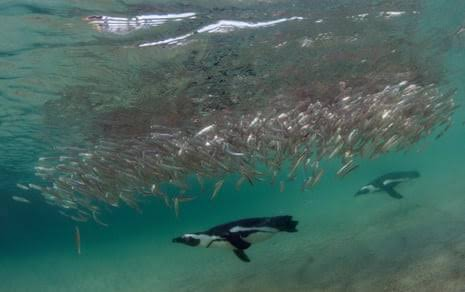
The Department of Forestry, Fisheries and the Environment began investigating the mortality event after reports of dead and dying sardines emerged. By August 14, testing had detected PHV genetic material in both dead sardines and apparently healthy fish, although the levels were generally higher in the dead specimens.
That distinction is important. PHV has now been detected in South African sardines for the first known time, but scientists have not established that it is the sole cause of the mass deaths. Further pathological testing is being used to determine whether the fish show the tissue damage associated with active PHV disease.
Scientists are also examining environmental factors. Unusually cold nearshore water, low oxygen and other oceanographic conditions are among the possible stresses being considered. Preliminary testing has also made some toxins less likely to be the primary explanation, although researchers have not ruled out environmental factors contributing to the deaths.
The scale of the event is still being established. Reports of dead sardines have extended from the West Coast around Cape Point and along the South Coast, with sightings also reported offshore. Authorities have said it is too early to produce a scientifically defensible estimate of how many fish have died or determine the full effect on the sardine stock.
Why South Africa’s penguins are particularly vulnerable
The timing has conservationists watching closely because African penguins already have little room for another major food shock.
Previous mass sardine die-offs associated with PHV in Australian waters during the 1990s were followed by major mortalities and poorer breeding success among Little Penguins. Researchers are therefore watching the South African episode carefully, while stressing that the two situations cannot simply be assumed to have the same outcome.
The current monitoring could provide an early indication of what happens next. If sardine availability remains disrupted, penguins may have to travel farther for food, expend more energy foraging and struggle to maintain the body condition needed for survival and breeding.
The next major piece of evidence will come from the October/November hydro-acoustic survey, which will help scientists assess the condition of the sardine population after the mortality event. In the meantime, the DFFE is working with the small pelagic fishing industry and other stakeholders on a coordinated response.
For now, scientists are resisting the temptation to declare a new ecological disaster before the evidence is complete. But along a coastline where a critically endangered penguin already depends on an increasingly pressured food supply, thousands of dead sardines are difficult to ignore.