Ajala the Traveller: The Nigerian Journalist Who Crossed the World on a Vespa
Long before budget airlines and social media, Olabisi Ajala rode a Vespa across continents, documenting an extraordinary journey through a world divided by borders and politics.
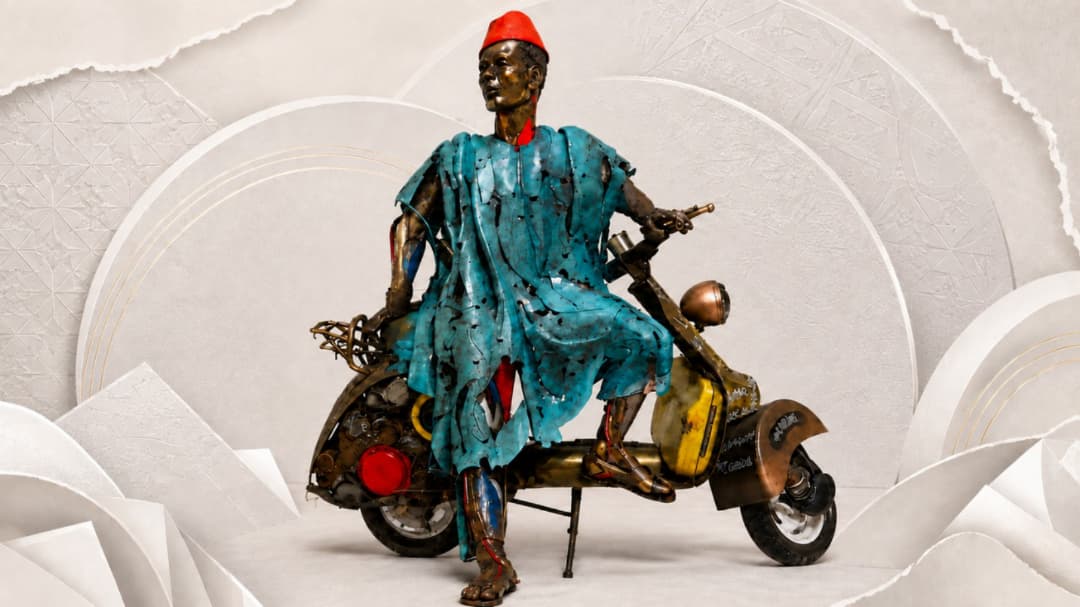
“Ajala travelled all over the world,
Ajala travelled, Ajala travelled,
Ajala travelled all over the world.”
Maybe those lines sound familiar, and maybe they do not. Either way, we have borrowed them to remind you of the popular song about Ajala the Traveller.
The man celebrated in that song wasMoshood Adisa Olabisi Ajala, a Nigerian journalist who cycled across the United States, crossed dangerous borders on a Vespa and met world leaders.
His First Big Journey Had No Engine
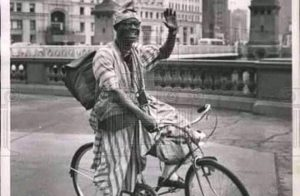
Ajala moved to the United States as a student in 1952. In June that year, he cycled approximately 2,280 miles from Chicago to Los Angeles in 28 days and was received at Los Angeles City Hall.
The publicity helped him secure a minor appearance in the 1953 film White Witch Doctor, but his American stay soon ran into trouble.
By 1953, legal problems and his failure to maintain his student status had placed him in deportation proceedings. Ajala protested by climbing a radio tower and later beginning what immigration officials called a hunger strike, although he said he was observing Ramadan.
He was deported to Britain but returned to the United States in late 1954. By April 1957, he was back in London preparing for a larger journey.
How Ajala Reached Leaders and Crossed Borders
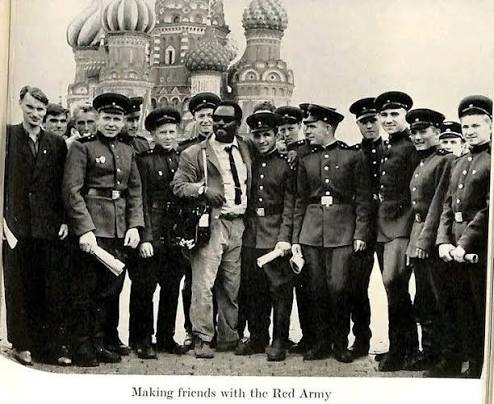
On April 27, 1957, Ajala left London on a modified Vespa. Wearing agbada, he travelled through countries including India, Iran, the Soviet Union, Egypt, Israel, Jordan, Poland, Germany, China and Australia.
In Egypt, he wanted to interview President Gamal Abdel Nasser. Ajala wrote in An African Abroad that he waited outside Nasser's residence for nearly two weeks before seeing him approach his car and calling out for his attention.
In India, Ajala met Prime Minister Jawaharlal Nehru and questioned him about socialism and non-alignment. A photograph from the encounter shows Nehru sitting on his scooter.
History
Rewind the Stories that Made Africa, Africa
A Journey Through Time, Narrated with Insight.
Ajala later asked Nehru to write the foreword to his travel book. AJuly 1963 letter preserved by the Nehru Archive confirms that Nehru received the manuscript but declined because he lacked time to read it properly.
One of Ajala's most dangerous encounters occurred at Jerusalem's Mandelbaum Gate in 1959. The crossing separated Israeli-controlled West Jerusalem from Jordanian-controlled East Jerusalem.
When Jordanian guards refused him permission to pass,Ajala drove his scooter through the barrier, shots were fired, and he was detained after reaching the Israeli side.
Israeli officials intervened, and the incident eventually led to his meeting with Golda Meir, then Israel's foreign minister.
The Reporter Behind the Vespa
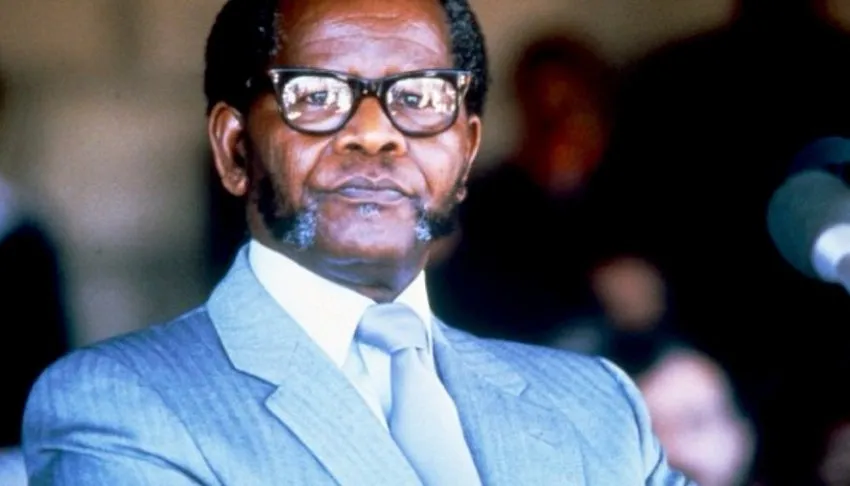

Ajala earned money by selling reports to newspapers and participating in radio broadcasts. He interviewed politicians, African students abroad and people rarely represented in conventional travel writing.
In Australia, he reported on Aboriginal communities and Papua and New Guinea. In India, Israel and the Soviet Union, he questioned African students about their education, political views and treatment abroad.
His radio work placed him inside the Cold War contest for African audiences. Israel and Egypt were using international broadcasting to build relationships and defend their policies across newly independent African states.
Ajala claimed that in 1960 he signed an agreement to produce programmes for the West African service of Israel's Kol Yisrael. He later moved to Egypt and appeared as a guest announcer on Radio Cairo's African Service, where he criticised Israeli messaging and policies.
In 1963, he publishedAn African Abroad, recording his meetings, observations and confrontations with authorities.
His Return to Nigeria

Ajala returned to Nigeria and worked in Lagos as an entertainment promoter and publicist. He became associated with Fuji musician Sikiru Ayinde Barrister, although their professional relationship later deteriorated amid accusations involving money and career management.
He also worked around musicians such as Chief Commander Ebenezer Obey, whose song helped make Ajala's name widely familiar.
His fame did not provide lasting financial security. Ajala suffered a stroke, experienced serious money problems and died in Lagos on February 2, 1999.
Ajala was reckless, persistent and skilled at turning his presence into an event. Whatever one thinks of his controversies, he refused to experience the world from a distance and that is the man behind the Vespa and the song.
History
Rewind the Stories that Made Africa, Africa
A Journey Through Time, Narrated with Insight.