Airtel Is Compensating Customers for Poor Service: But Do They Need Compensation or Better Networks?
Airtel customers are receiving compensation for poor network service, but does airtime make up for the frustration, delays, and lost time caused by unreliable connectivity?
There is a particular kind of frustration that comes with using the internet in some parts of Nigeria. You can be sitting directly beside your Wi-Fi router, your phone shows full bars, your computer insists that it is connected, and yet the page you need refuses to load.
You refresh it once. Nothing. Twice. Still nothing. Then you start staring at the little network icon on your screen as if eye contact might convince it to do its job.
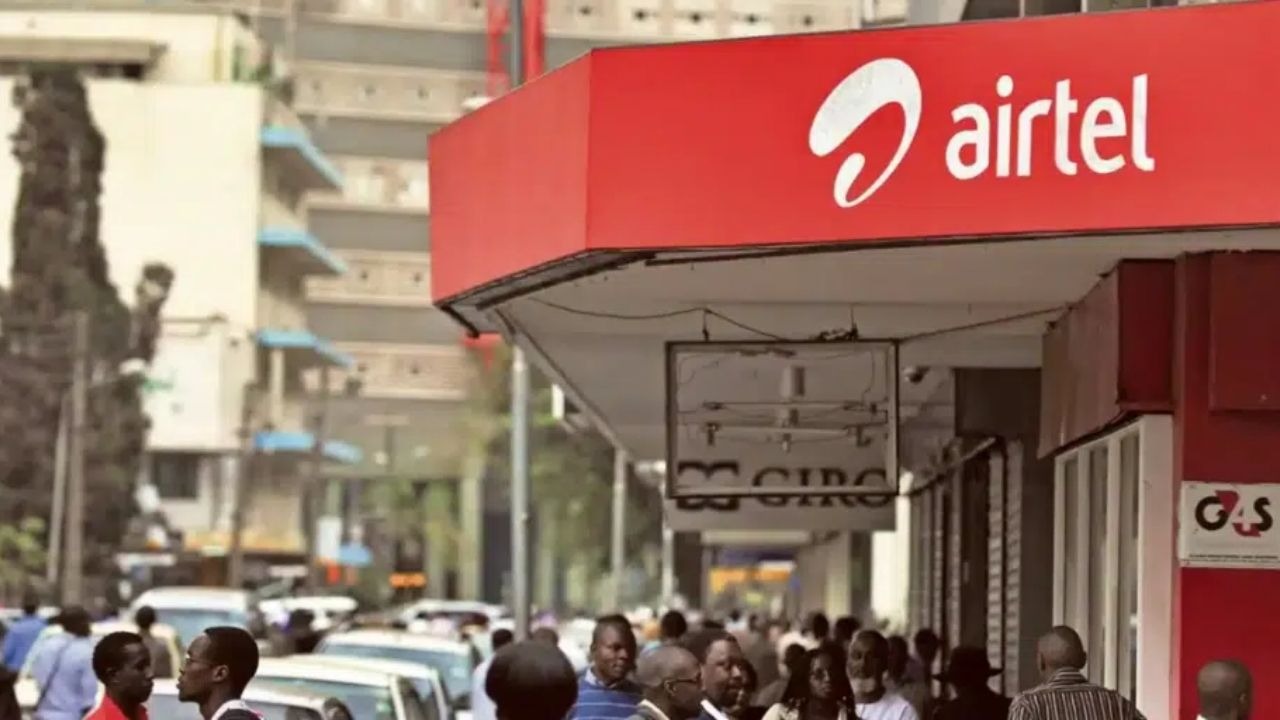
Now, some Airtel customers may have a slightly different experience: their lines may suddenly receive free airtime credits. Airtel Nigeria has begun automatically compensating eligible customers affected by poor network performance during February to April 2026, following the Nigerian Communications Commission's compensation framework.
The NCC says the framework applies where operators fail to meet prescribed quality-of-service standards, with compensation calculated partly from subscribers' billed usage and the operator's network performance in the affected area.
It is a reasonable response. If customers paid for a service and did not receive the expected quality, giving something back is better than simply saying, “Sorry for the inconvenience.” But it also raises a more uncomfortable question: do customers really need compensation, or do they need a network that works properly in the first place?
Airtime Cannot Refund the Time You Lost
Imagine trying to send an urgent email before a deadline, joining an important virtual meeting, making a bank transfer, submitting an application, or simply watching a movie after a long day. Then the network begins doing that familiar Nigerian dance: one bar, two bars, no connection, connection restored, then nothing again.
You can have the airtime back. You cannot get the missed meeting back. This is why the value of compensation can feel slightly strange. The NCC's framework is designed to provide automatic airtime credits to eligible subscribers rather than requiring them to apply, and those credits can be used for calls, SMS, data, and USSD services.
That is useful, especially when customers are being compensated for a service they already paid to use. But the actual inconvenience of poor connectivity is bigger than the price of the data bundle that failed to work.
A delayed transfer can mean waiting for money when you need it immediately. A failed call can mean missing someone at the exact moment you needed to reach them. Slow streaming is annoying, but poor connectivity becomes much more serious when it affects work, education, business, payments, or communication.
And no amount of airtime can recreate the hour someone spent refreshing a webpage that simply refused to load.
The Network Problem Is Bigger Than Airtel

It would also be unfair to pretend every network problem begins and ends with an operator pressing the wrong button somewhere in an office.
Nigeria's telecommunications infrastructure operates under difficult conditions. Fibre cuts, vandalism, equipment theft, congestion and other infrastructure problems can all affect service quality.
The NCC's own compensation framework recognises that circumstances such as fibre cuts, theft, vandalism and natural disasters can require separate consideration when determining whether compensation applies.
There is also evidence that operators are investing in the infrastructure itself. The NCC said in May 2026 that mobile operators had planned more than 12,000 additional coverage and capacity sites, with more than 5,000 already completed at the time, alongside expanded fibre connections and upgrades across thousands of base stations.
That matters because the answer cannot simply be “compensate customers whenever the network fails.” A functioning telecommunications system requires towers, fibre, transmission infrastructure, electricity, maintenance, capacity and the ability to keep all of those things working consistently.
The compensation framework is therefore useful as a form of accountability. The NCC says it does not replace existing consumer protection mechanisms, and operators can still face regulatory penalties in certain cases. But compensation should sit at the end of the process, not become the process itself.
Otherwise, the uncomfortable possibility is that we begin treating poor service as something that can simply be priced and refunded.
Customers Should Not Have to Be Compensated for the Same Problem Forever
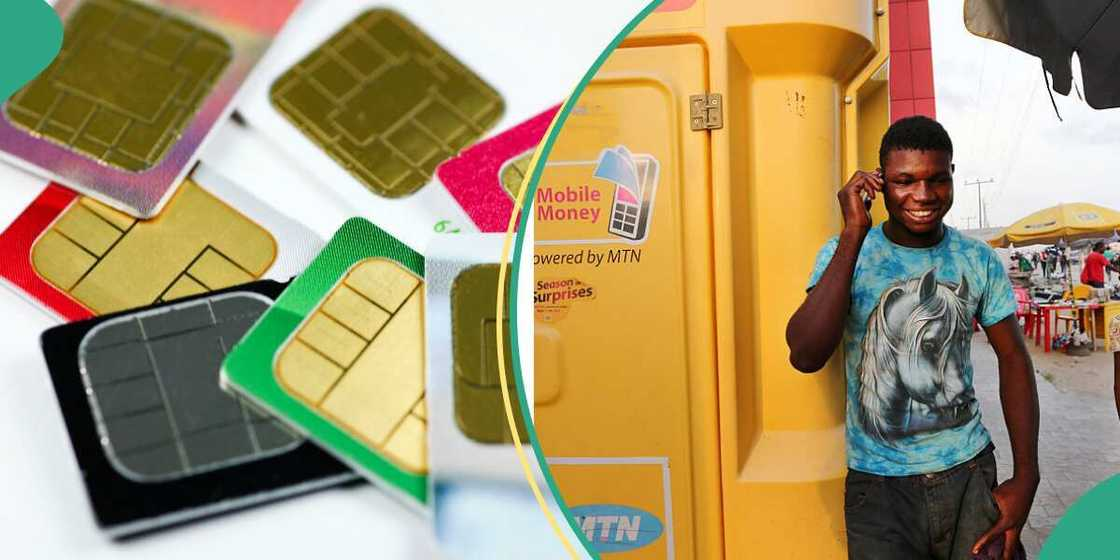
There is something satisfying about receiving an unexpected airtime credit. You check your phone, see the message, and think, “Well, at least they gave me something.”
But the better message would be one that customers never have to receive: “Your network is now stable.”

That is the compensation customers actually want. They want to make a call without walking around the house searching for the one corner where the network suddenly remembers them. They want their data to work when they pay for it. They want to send money without wondering whether the transaction will hang halfway through. They want their laptop to stop telling them “No Internet” while sitting beside a perfectly functioning Wi-Fi router.
The NCC's framework is an important acknowledgment that customers should not simply absorb the cost of poor service. But the longer-term measure of success should not be how much airtime operators return to subscribers. It should be whether fewer subscribers have a reason to complain in the first place.
Because customers are not buying compensation. They are buying connectivity.
And when the network improves enough that the compensation messages stop coming, that will be worth far more than ₦1,500 airtime.