Behind the Seams: What Are You Really Paying For in Luxury Fashion?
Luxury fashion costs more than materials and craftsmanship. Explore how branding, scarcity, heritage, status, and perceived value shape luxury prices.
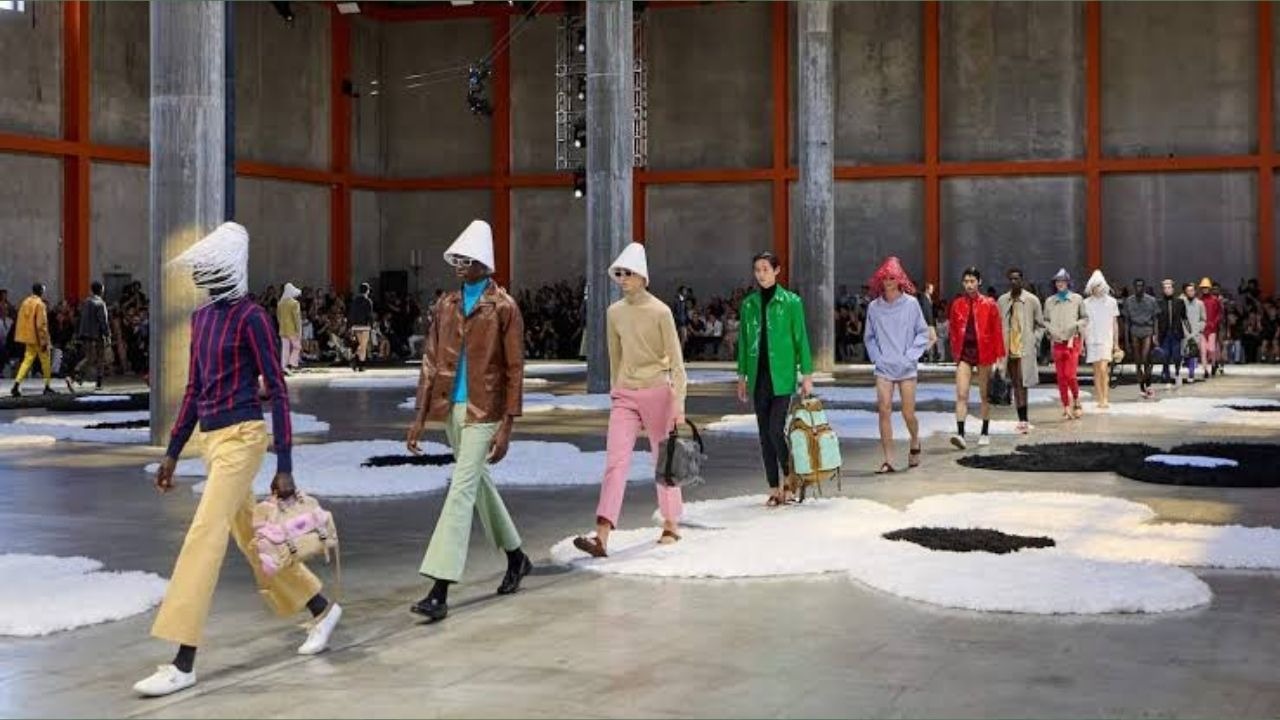
A handbag can cost $5,000 while another, made from materials that do not appear dramatically different, costs $200. A T-shirt can carry a four-figure price tag even though cotton remains cotton. So when someone pays thousands of dollars for a luxury fashion item, what exactly are they paying for?
The obvious answer is the product: the leather, fabric, stitching, design and labour that went into making it. But luxury fashion has never been priced on materials alone. The real business is in everything surrounding the product: craftsmanship, scarcity, heritage, branding, distribution and status.
That is what separates luxury from simply expensive clothing.
The Product Is Only Part of the Price

Craftsmanship is one of the first things luxury brands use to justify higher prices. Many established houses have built reputations around specialised techniques, carefully selected materials and labour-intensive production. A handmade leather bag, for example, can require considerably more time and skill than a mass-produced alternative.
But craftsmanship alone does not explain a $5,000 price tag.
A major part of the value comes from brand heritage. Houses such as Louis Vuitton, Chanel and Hermès have spent decades, and in some cases more than a century, building recognisable identities around particular products and design codes.
The customer is not simply buying leather or fabric; they are buying into a story that has been repeatedly reinforced through advertising, fashion shows, celebrities and cultural visibility.
This is where luxury becomes particularly interesting.
A product can become more valuable because people know what it represents.
The logo, pattern, or silhouette can communicate taste, wealth, exclusivity, or membership in a particular social world before anyone knows how much was actually paid for it.
Luxury Sells Scarcity, Identity and Desire

Luxury brands also understand something ordinary retailers cannot always replicate: people often want things partly because not everyone can have them.
Limited releases, controlled distribution, waiting lists and carefully managed inventories can make products feel scarce. Scarcity increases desire, while restricted availability can strengthen the perception that ownership carries a certain status.
Then there is the experience.
Luxury brands invest heavily in flagship stores, packaging, campaigns, fashion shows, and carefully constructed visual identities. The customer encounters the brand long before the transaction is completed. Everything from the store environment to the box a product arrives in can reinforce the idea that this is not an ordinary purchase.
And this is why the economics of luxury fashion can seem strange from the outside.
The price does not necessarily reflect the cost of making the item. It reflects the value the brand has managed to create around it.
That does not mean every expensive luxury product is poor value, nor does it mean consumers are simply paying for a logo. Some products genuinely involve exceptional materials, craftsmanship and design.
But the luxury business demonstrates an important economic principle: perceived value can become as commercially powerful as physical value.

A $200 handbag and a $5,000 handbag may both carry your belongings. The difference is everything attached to the second one: the history, recognition, scarcity, craftsmanship, marketing and social meaning.
So perhaps the better question is not why luxury fashion costs so much.
It is how brands convinced us that certain clothes, bags, shoes, and watches could mean so much more than what they physically are.
That is what sits behind the seams.