A Death-Row Inmate Was Hosting TikTok Lives From Prison. Who Enabled Him?
A death-row inmate built a TikTok audience from Ibara prison. How did he get multiple phones, internet access and virtual gifts while in custody?
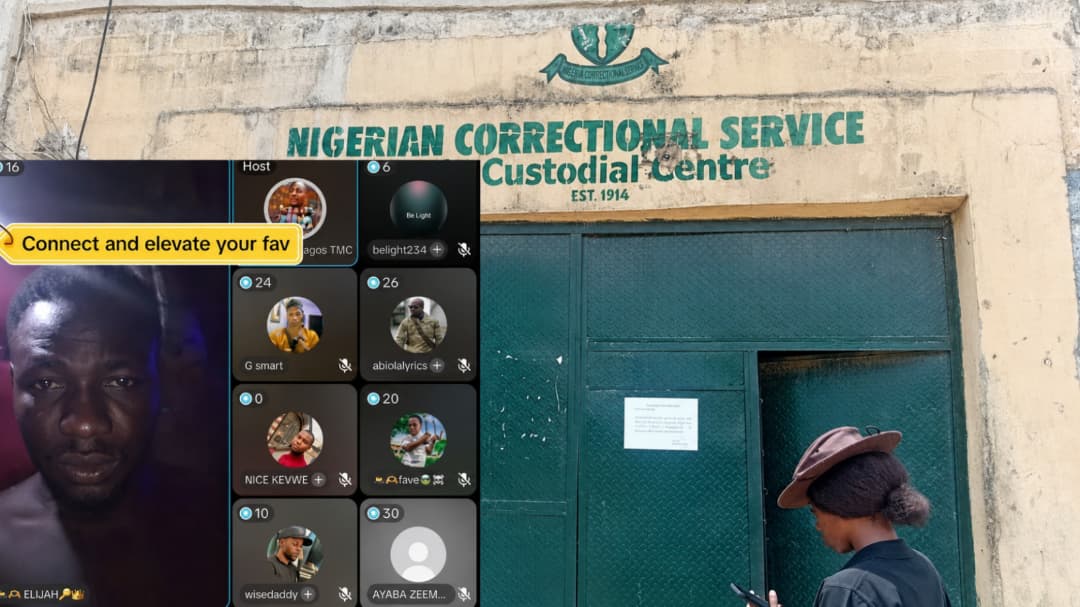
How does a man in a maximum-security prison have the digital freedom of someone sitting in a bedroom with Wi-Fi?
Elijah Oyebode is on death row at the Ibara Maximum Security Custodial Centre in Abeokuta, Ogun State. In 2019, he was convicted of murdering Rofiat Adebisi, a final-year student at Osun State University.
Yet he was able to build an active life on TikTok from prison.
Aninvestigation published by Premium Times in August 2026 found that he was operating multiple TikTok accounts from prison, joining livestreams, speaking with viewers and receiving virtual gifts
One account displayed Level 20 gifting status whichusually shows how many coins an account has spent sending gifts, not how much it has received, so it cannot tell us what Oyebode earned.
The thing here is what a connected phone allowed him to do from a place designed to restrict his contact with the public.
He Told His Story Before Anyone Checked It
Omolola Awoyele, a TikTok Live host and activist, found Oyebode after a friend sent her one of his livestreams.
Oyebode told her he used social media to get money for food. When Awoyele asked him to join a video call, she confirmed that he was actually in prison.
Then he told her he had been wrongly convicted.
Awoyele believed him and contacted lawyers to help him appeal. Her position changed after she obtained the court records.
She said Oyebode later admitted accepting ₦10,000 from a herbalist connected to the crime and helping to facilitate Adebisi's death. No one else has confirmed what was said during that private conversation.
The lawyer withdrew from the appeal. Awoyele also cut contact with Oyebode after he allegedly threatened her.
Oyebode had reached her before the court records did. That gave him the chance to shape how she understood the case before she saw the evidence behind his conviction.
A Smartphone Changed the Meaning of Confinement
Unauthorised mobile phones are prohibited in Nigerian custodial centres, but Oyebode reportedly had more than one.
During an April 2026 livestream, he claimed some inmates at Ibara had two or three phones. He accused correctional officers of bringing devices into the prison and charging inmates to recover phones they had seized.
The correctional service has not confirmed those claims, and no officer has been publicly linked to Oyebode's devices.
But the phones existed. Oyebode had internet access and enough privacy to appear on livestreams.
A smartphone gave him an audience, control over his story and possible access to money.

The Nigerian Correctional Service says it searches custodial facilities and has disciplined more than 1,400 officers for various offences but has not explained how Oyebode kept using connected devices inside Ibara.
The Money Trail Ends at TikTok
Viewers sent Oyebode virtual gifts during his livestreams, and TikTok allows eligible creators to convert rewards from gifts into money. Withdrawing those earnings normally requires access to a payment account.
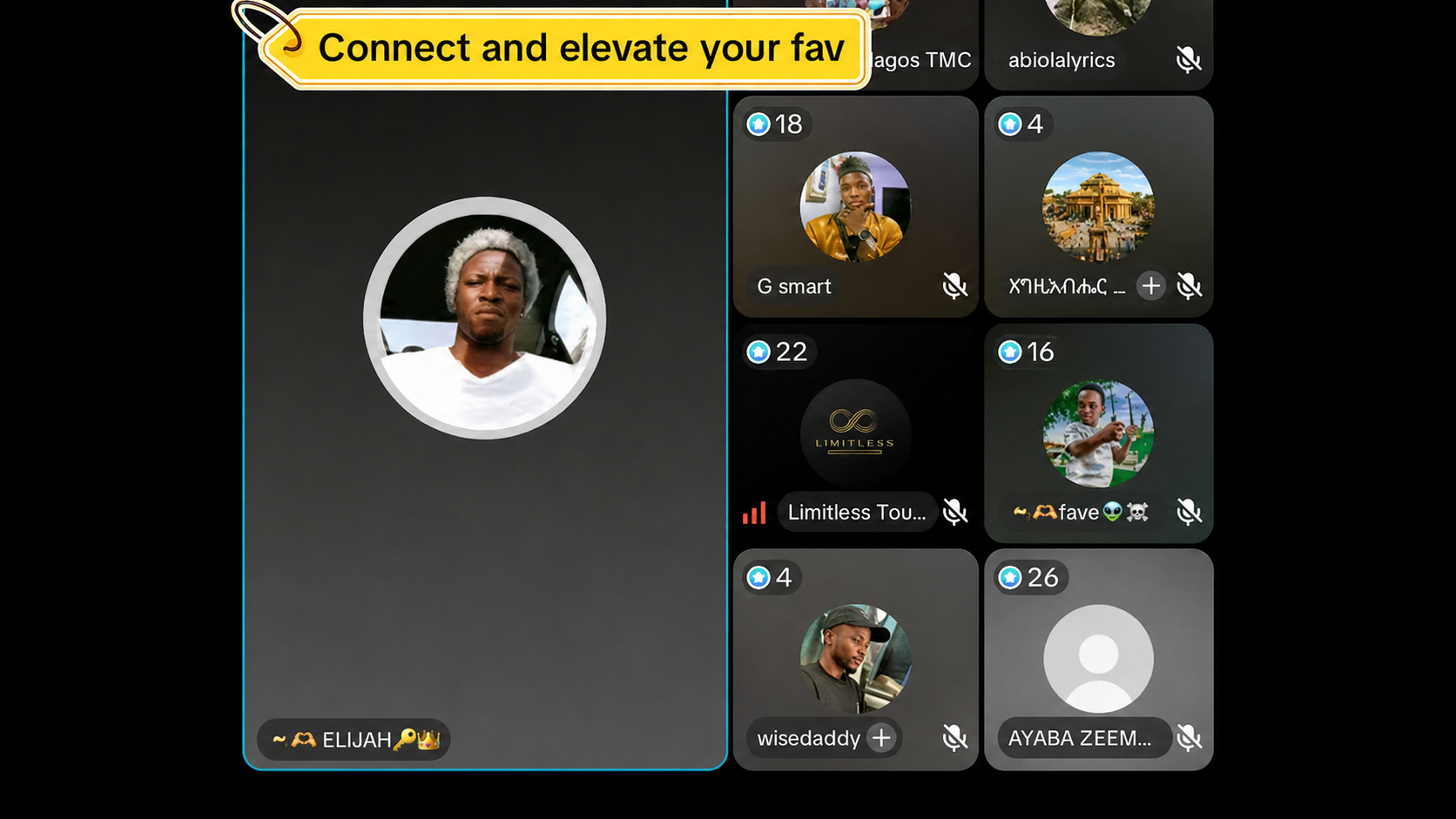
If Oyebode made a withdrawal, someone outside the prison may have managed the account or received the money for him. No one has been identified in that role.
TikTok was asked to review Oyebode's accounts, but his main account reportedly remained active during the review.
The platform may not have known he was streaming from prison. A livestream does not always reveal where the person behind it is located.
Still, TikTok can determine whether gifts were converted into money and who controlled the account used to receive any payment.
He May Have Operated Another Person's Identity
Another account allegedly used Awoyele's name and photograph.
Awoyele said Oyebode admitted operating it and removed her photograph after she confronted him. Her account has not been confirmed by another source.
If her claim is accurate, Oyebode was doing more than maintaining his own presence online. He was able to assume someone else's identity while sitting inside a maximum-security prison.
TikTok can also determine whether that account broke its impersonation rules.
The Story His Viewers Did Not Hear
Oyebode presented himself online as a wrongly convicted prisoner. Rofiat Adebisi, the woman he was convicted of killing, barely appeared in that version of events.
His viewers could see his face, hear his voice and speak with him directly. They did not have the court records in front of them.
Awoyele's experience shows why that difference matters. She was prepared to help him appeal until she read the case for herself.
The phone did not change Oyebode's sentence, but it gave him a public life beyond it.
We still do not know who supplied his devices, whether anyone helped him handle the money or how many other inmates at Ibara have the same access.
That is what makes this more than a story about a prisoner breaking the rules. It is about a prison that may have controlled where an inmate could go without controlling who he could reach.