A Beginners Guide to Nigeria’s Import and Export Maze
A Beginners Guide to Nigeria’s Import and Export Maze.
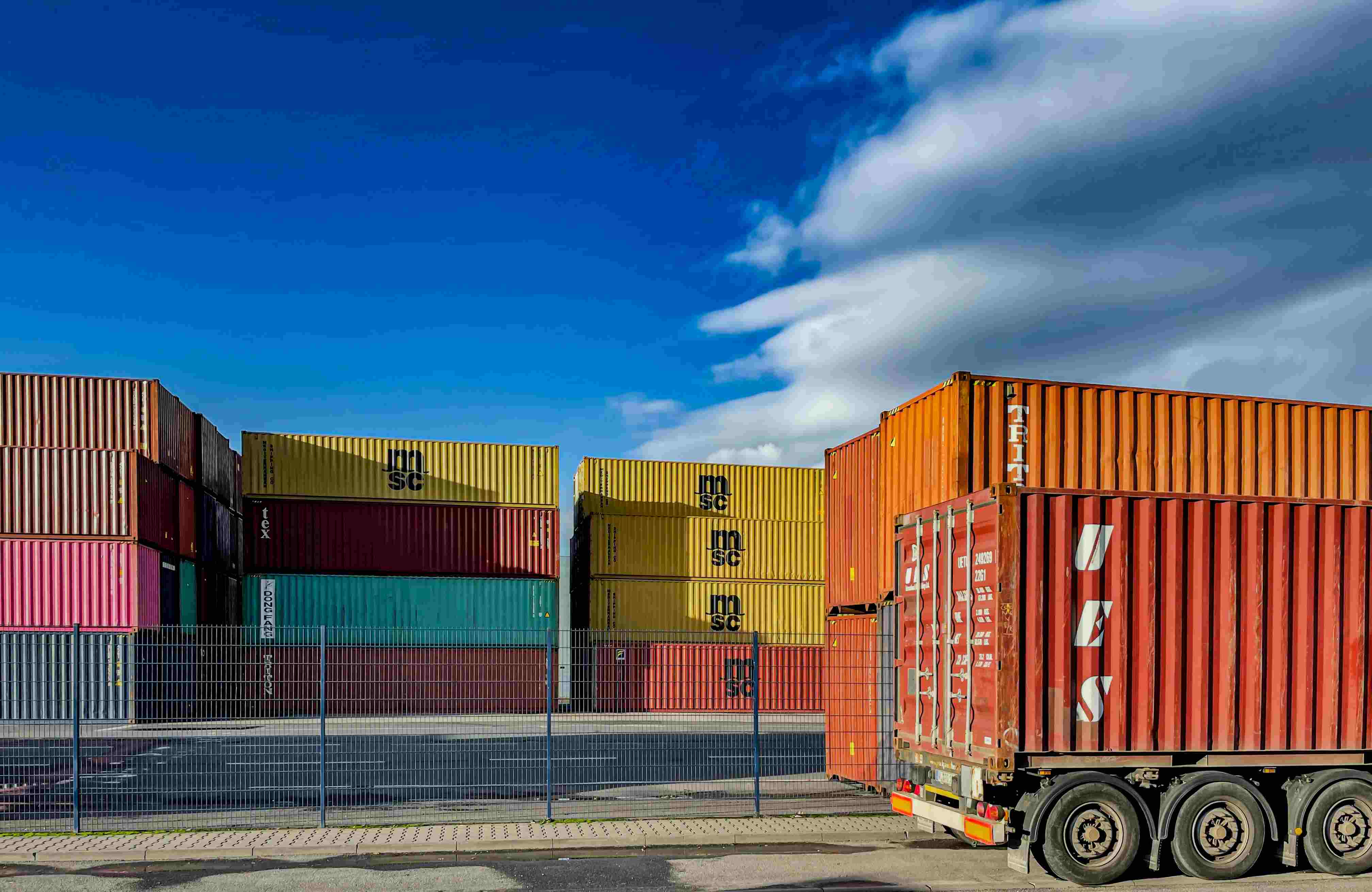
At first glance, Nigeria’s ports tell a story of movement—ships arriving with containers of goods, trucks departing with products bound for markets. But behind that apparent efficiency lies a bureaucratic reality far less fluid. In Africa’s largest economy, importing or exporting goods isn’t just a commercial activity—it’s a legal and administrative ritual, complete with documentation, certifications, inspections, and ever-changing compliance rules.
For those hoping to do business across Nigeria’s borders, navigating this system is not just helpful—it’s critical. Below is a clear breakdown of what it takes to legally import into and export from Nigeria. This isn’t just policy; it’s a roadmap for survival in Nigeria’s regulated trade environment.
IMPORTING GOODS INTO NIGERIA

Image Credit: Unsplash
If you’re a business hoping to bring goods into Nigeria, you need more than a container and a shipping contract. Every successful import begins long before the goods arrive, and every step is tracked and enforced by multiple authorities.
Step 1: Register Your Business and Get a Tax Identification Number
Before you can import anything, your business must be legally recognized in Nigeria. That means registering your company with the Corporate Affairs Commission (CAC) to obtain a Certificate of Incorporation. Once registered, you’ll need a Tax Identification Number (TIN) from the Federal Inland Revenue Service (FIRS). Without these, you cannot open the necessary trade or bank documents, and customs won’t even consider your case.
Step 2: Obtain Regulatory Permits and Product Certifications
Next, your product must meet Nigerian safety and quality standards. Depending on what you’re importing, you’ll need regulatory permits:
Electronics and mechanical products require clearance from the Standards Organization of Nigeria (SON).
Food, drugs, cosmetics, and medical devices must be approved byNAFDAC (National Agency for Food and Drug Administration and Control).
For specialized items, like petroleum products, approval from the Nigerian Upstream Petroleum Regulatory Commission (NUPRC) is mandatory.
These certifications must be secured before initiating the formal import process.
Step 3: Process Form M
Form M is the key document that declares your intention to import goods. You submit it electronically via the Nigerian Single Window Trade Portal, but it must go through your Authorized Dealer Bank (ADB) first. Along with Form M, you must include a proforma invoice, insurance certificate, and your regulatory approvals.
The bank will verify the documents and forward the application to the Nigeria Customs Service (NCS) for approval. This step is non-negotiable—without an approved Form M, your shipment cannot proceed legally.
Step 4: Handle SONCAP Requirements (If Applicable)

For goods that are regulated under SON’s guidelines, you’ll also need to participate in the Standards Organisation of Nigeria Conformity Assessment Programme (SONCAP). This involves working with an accredited inspection agency (such as Cotecna) to verify that your goods meet Nigerian standards. The exporter must provide a Product Certificate, and a SONCAP Certificate must be issued before shipment.
Once received, the SONCAP certificate is activated on the Single Window portal. Then you can apply for a Pre-Arrival Assessment Report (PAAR), a critical customs document that must be in place for clearance upon arrival.
Step 5: Shipping and Clearance
When the goods finally arrive in Nigeria—usually through ports like Apapa or Tin Can—they must be matched against the submitted shipping manifest. You’ll be required to pay customs duties, shipping line charges, terminal handling fees, and Nigerian Ports Authority (NPA) charges.
Customs will physically inspect, weigh, and potentially revalue the cargo. If there are discrepancies in your paperwork, be prepared for delays or penalties. Once cleared, the goods are released to your agent or transporter.
Step 6: Documentation You Must Have
To recap, you’ll need the following core documents throughout the process: a Certificate of Incorporation, TIN, Form M, insurance certificate, proforma invoice, any required regulatory certificates, the SONCAP certificate (if applicable), the Bill of Lading, and the PAAR. Without this full paper trail, your shipment will likely be held—or worse, forfeited.
EXPORTING GOODS FROM NIGERIA

Image Credit: Unsplash
Nigeria’s export process is more streamlined in some respects, but it still demands rigor and careful compliance. Whether you’re shipping raw agricultural goods or refined products, these are the key steps you need to follow.
Step 1: Register Your Business and Obtain Export Licenses
Just like importers, exporters must be registered with the Corporate Affairs Commission (CAC). But that’s not all—you’ll also need to register with the Nigerian Export Promotion Council (NEPC)to obtain an Exporter’s Certificate, which functions as your legal export license. This certificate must be renewed annually.
Without NEPC registration, you cannot access the formal export channels or benefit from government incentives like the Export Expansion Grant (EEG).
Step 2: Prepare All Export Documentation
Before moving goods to the port, prepare the necessary documents:
An export contract or commercial invoice with your buyer
A packing list showing the contents and quantities
Quality assurance certificates, especially for food or agricultural exports
Your Exporter’s Certificate from NEPC
Insurance documents covering transit risks
A completed Nigerian Export Proceeds (NXP) Form, which tracks the repatriation of foreign earnings
All necessary regulatory clearances, depending on the type of product
Incomplete paperwork is the number one cause of delay in Nigeria’s export process, especially at the port.
Step 3: Logistics and Pre-Shipment Inspections
Once the documents are ready, your freight forwarder or logistics provider will transport the goods to the port. There, they must be inspected and cleared by several government agencies, including:
The Nigeria Customs Service (NCS)
The State Security Service (SSS)
The National Drug Law Enforcement Agency (NDLEA), if required
The Plant Quarantine Service, for agricultural or plant-based products
Each agency may physically inspect the cargo or request additional documentation. This is where many exporters experience delays, particularly if they fail to pre-notify the authorities.
Step 4: Shipping and Payment Procedures
Once cleared, your goods are loaded onto the vessel by terminal operators. The shipping line then issues a Bill of Lading to confirm that the cargo is on board. You’ll be required to settle any shipping fees and terminal charges.
Meanwhile, your buyer—or their agent—will handle customs clearance at the destination country. On your end, your proceeds from the export must be repatriated through an authorized dealer bank in Nigeria, as per Central Bank of Nigeria (CBN) regulations. The NXP Form helps track this process and is essential for future tax and regulatory compliance.
Final Thoughts: Between Order and Obstacle

Image Credit: Unsplash
Nigeria’s trading system is complex, but it is not arbitrary. Every form, certificate, and checkpoint serves a purpose—whether it’s consumer protection, anti-smuggling enforcement, or tax collection. But the sheer number of steps often deters small businesses and first-time traders, pushing many into informal or semi-compliant channels.
The good news is that digital platforms like the Single Window Trade Portal, increased automation at ports, and tighter integration between agencies are gradually improving transparency. But for now, successful trade in Nigeria requires meticulous preparation, expert guidance, and often, professional agents who know the system inside out.
For those willing to learn the rules and play by them, Nigeria offers access to a vast domestic market and international trade potential through platforms like the African Continental Free Trade Area (AfCFTA). But the border, both physical and bureaucratic, still demands patience and precision.