6 Types of Bullying Your Child Might Encounter
Bullying isn’t always obvious. From verbal attacks to social exclusion and online harassment, these are six common types of bullying, how to spot them, and what you can actually do.
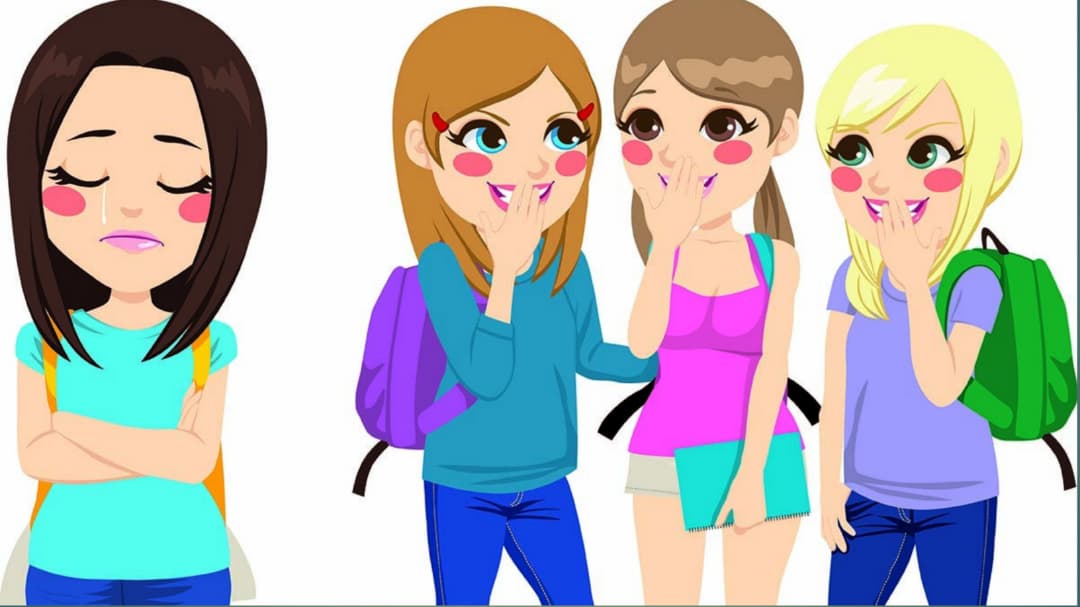
We sometimes picture bullying as something physical like pushing, fighting, or someone being cornered after school, but that’s only one part of it.
Bullying is often quiet, more subtle, and sometimes harder to call out. It shows up in conversations, group dynamics, and even online spaces where it can follow your child long after school ends.
At its core, bullying is about power.
One person repeatedly tries to control, embarrass, or isolate another. And because it doesn’t always look obvious, it can go unnoticed for a while.
These are six types of bullying your child might encounter, how to recognise them, and what you can do if they show up.
Verbal Bullying
Not all bullying leaves marks.
It can be just words, but the kind that sticks.
This includes repeated name-calling, insults, or comments about appearance, intelligence, or background.
It’s often dismissed as “joking,” but when it’s constant and targeted, it can wear someone down over time.
How to know:
Your child may become quieter than usual, second-guess themselves, or suddenly seem more sensitive about how they look or sound. They might repeat something hurtful someone said and ask if it’s true.
What to do:
Start by listening, not correcting immediately. Let them talk it through, then help them separate their identity from what was said. You can also guide them on simple, calm responses like walking away or shutting it down without escalating it.
Physical Bullying
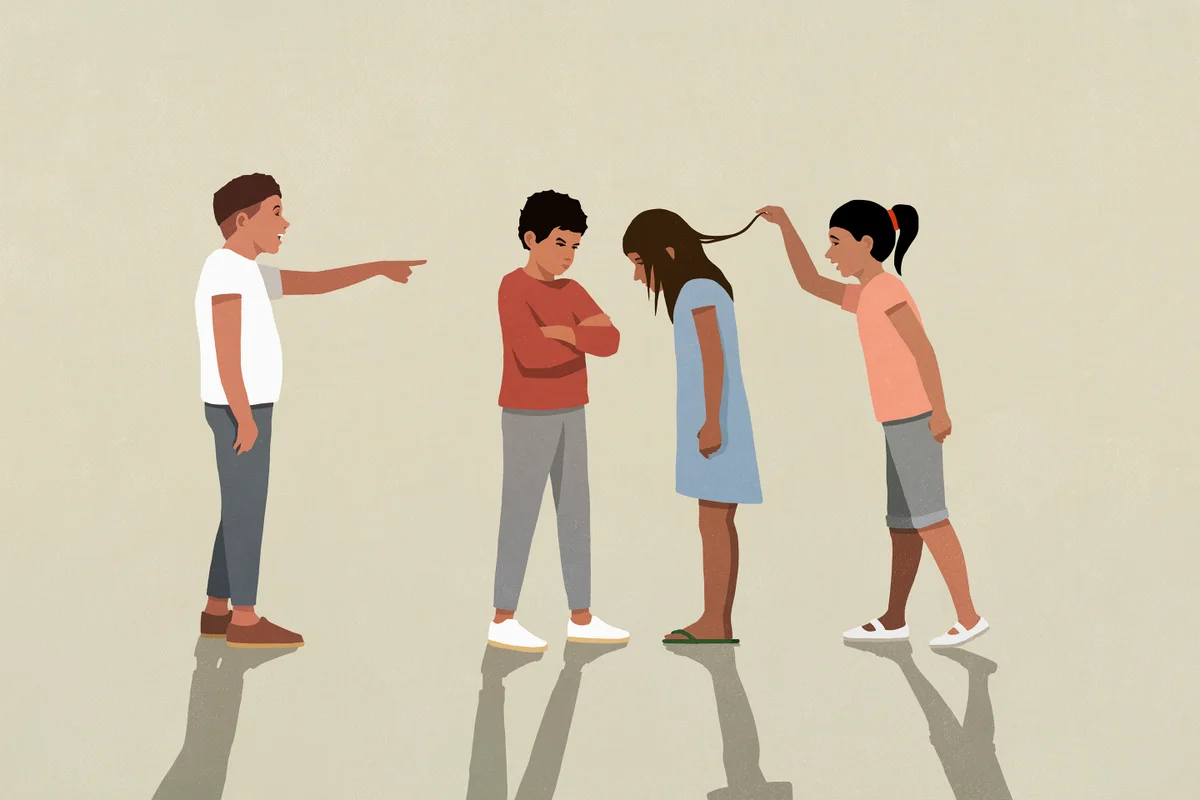
This is the most visible type, but it’s not always dramatic.
It can be hitting, pushing, or tripping and it can also be smaller, repeated actions like someone constantly knocking their things over or invading their space in a threatening way.
How to know:
Look out for unexplained bruises, damaged belongings, or sudden reluctance to go to school. Some children won’t say anything directly, but their behaviour usually shifts.
What to do:
Create space for honest conversation without pressure. If there’s a pattern, involve the school early and keep a record of incidents, because this isn’t something your child should have to handle alone.
Relational Bullying
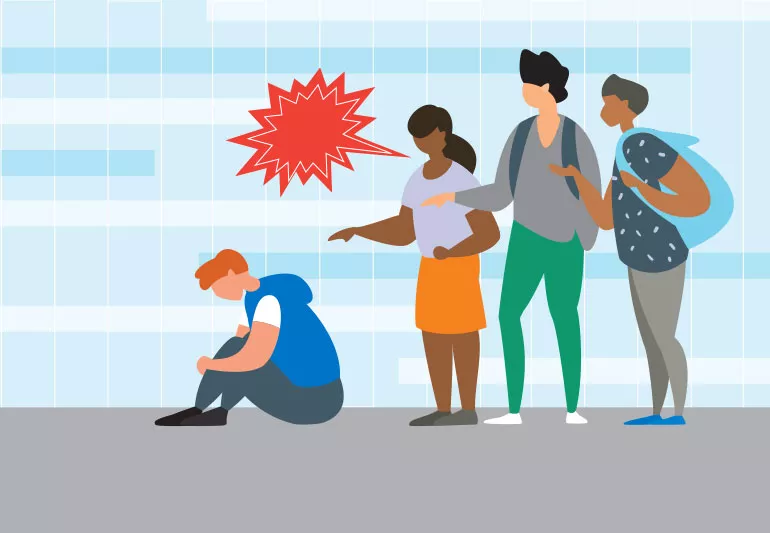
This one is easy to miss.
Relational bullying is about exclusion and social control. It’s when your child is deliberately left out, talked about behind their back, or made to feel like they don’t belong.
How to know:
You might notice your child withdrawing from friends, spending more time alone, or saying things like “they don’t really like me.” Friendships may suddenly change without clear explanation.
What to do:
Help them build confidence outside that social circle. Encourage activities where they can form new connections. At the same time, keep communication open so they don’t feel like they have to figure it out on their own.
Cyberbullying
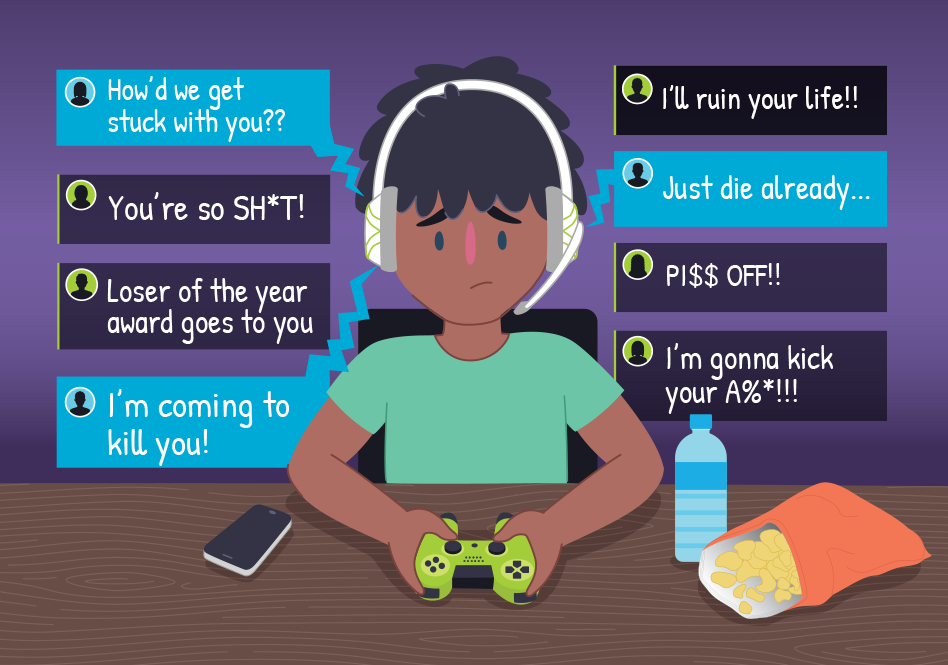
Bullying doesn’t stop when your child leaves school anymore.
Cyberbullying happens through messages, group chats, or social media. It can be direct, like insults, or indirect, like spreading rumours or sharing embarrassing content.
How to know:
Pay attention to how your child reacts after being online. If they suddenly seem anxious, withdrawn, or reluctant to use their phone, something may be going on.
What to do:
Keep communication open about their online life without making it feel like surveillance. Encourage them not to respond to harmful messages. Instead, save evidence, block the source, and report it if necessary.
Sexual Bullying
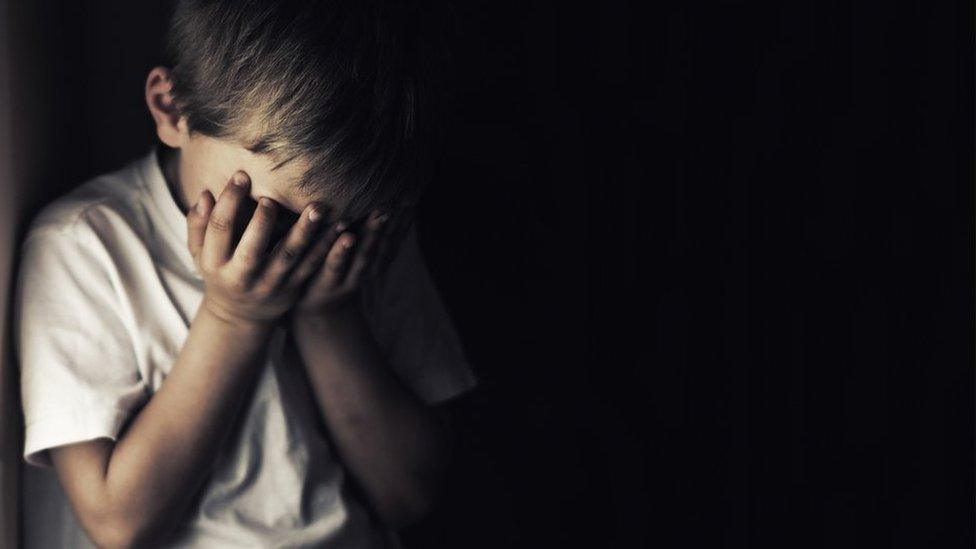
This is often overlooked, but it’s important to recognise.
It includes inappropriate comments about your child’s body, sexual jokes, rumours, or unwanted attention that crosses boundaries.
How to know:
Your child may seem uncomfortable in certain environments, avoid specific people, or change how they dress or behave. They might not explain why, but the shift is usually noticeable.
What to do:
Take it seriously, even if they downplay it. Reassure them that they’re not overreacting. This type of bullying often needs intervention beyond casual conversations, including involving school authorities if necessary.
Prejudicial Bullying
This type targets identity, who your child is, not just what they do.

It’s based on things like race, religion, appearance, or background, and it can show up in different forms– verbal, social, or physical.
How to know:
You might hear your child repeat comments that feel targeted or notice them questioning parts of their identity. They may also withdraw or feel isolated, even around others.
What to do:
Reinforce their sense of identity and belonging. Make sure they feel supported at home first. Then, if it continues, escalate it, this isn’t something that should be ignored or normalised.
What To Keep In Mind Going Forward
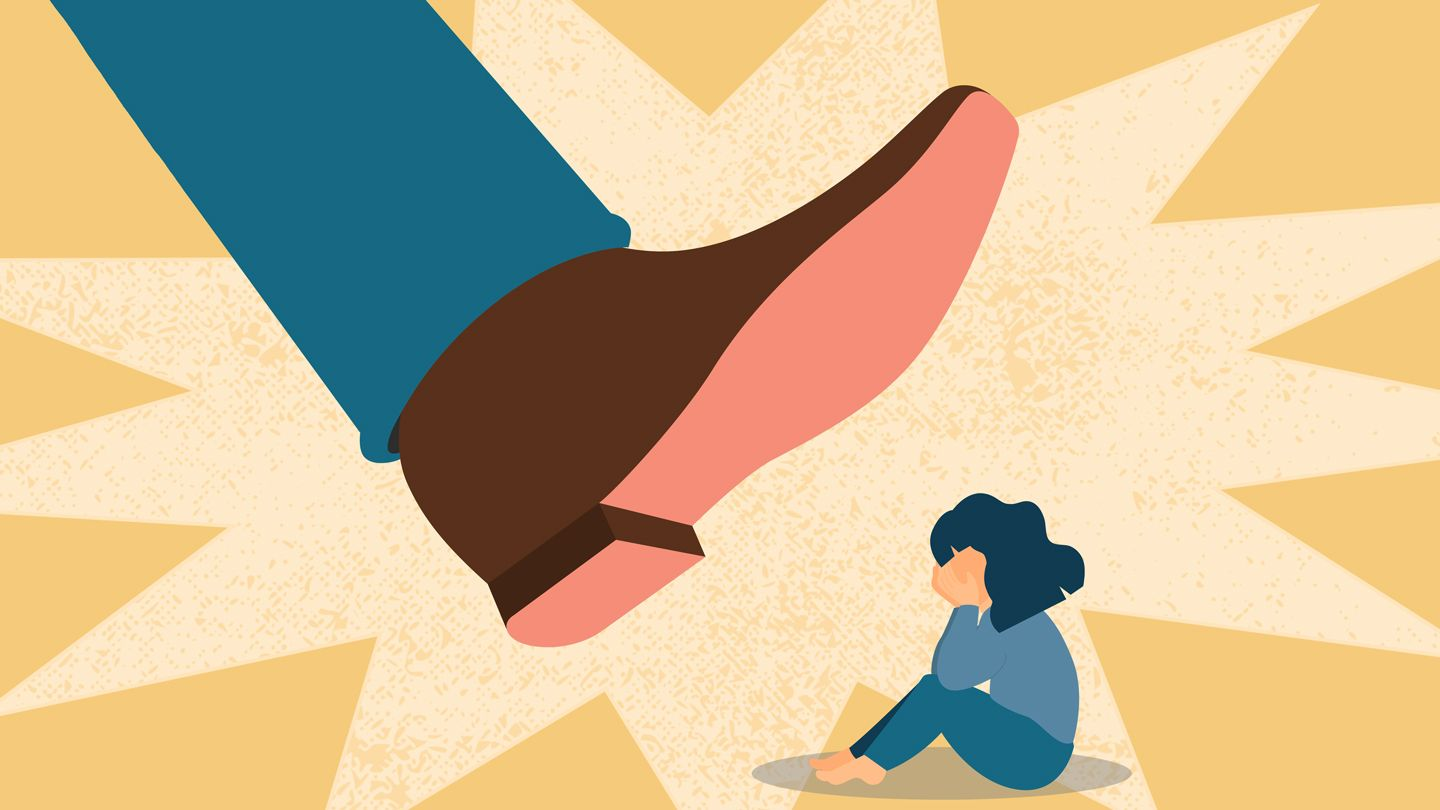
Bullying isn’t always obvious, and it can create long lasting serious problems.
It’s not just the loud, visible moments, it’s often the repeated, subtle ones that go unnoticed.
As a parent, you don’t need to have all the answers immediately.
What matters most is that your child knows they can talk to you and that you’re paying attention.
Because once you understand how bullying really shows up, it becomes a lot harder to miss.