4,000 Creators Gone in One Day. Is Social Media Rewarding Creativity or Just Teaching Us How to Copy Faster?
X removed nearly 4,000 creators from its revenue-sharing programme for stolen content and engagement bait, reopening larger questions about originality, creator culture, monetisation obsession, AI moderation, and whether social media is rewarding creativity or simply teaching us how to copy faster.
For years, social media promised that anyone with an internet connection, a good idea and enough consistency could build an audience.
Somewhere along the way, however, many people seem to have heard something else entirely: that anyone could make money online, regardless of whether they had anything original to say.
The difference between those two ideas is larger than it sounds.
X just recently announced that it has removed nearly 4,000 creators from its revenue-sharing programme in a single day for posting stolen content and engagement bait, and many people have treated it as another platform policy update.
But it is actually bigger than that. Four thousand accounts are not merely four thousand rule breakers. They are four thousand small windows into how social media culture itself may be changing.
Because this story is not really about X. It is about what happens when monetization arrives before creativity, when virality becomes more valuable than originality, and when entire creator economies begin rewarding visibility more than value.
The uncomfortable question hiding underneath X's announcement is whether social media is slowly producing more content creators or simply producing more content copiers.
When Did Building a Brand Become Less Important Than Building Revenue?
There was a time when becoming a creator meant becoming known for something. Writers were known for their ideas. Designers were known for their aesthetics and mind blowing concept on graphics. Educators were known for what they could teach. Even comedians eventually became recognizable without needing their usernames attached to their work.
Today, however, entire accounts are built around reposting what someone else has already spent hours creating.
The formula has become painfully familiar across platforms. Take a viral video, add subtitles, place your watermark in the corner, write "thoughts?" underneath it and wait for engagement to arrive.
Sometimes, it is not even that sophisticated. Entire posts are copied word-for-word with only a few words rearranged to fool moderation systems.
Some creators no longer ask themselves what they can create. They ask themselves what they can recycle.
Ironically, social media has probably never been more accessible to creators than it is today. The barriers to entry have become smaller while the tools available have become more powerful. Yet originality increasingly feels optional.
Perhaps that explains why X's latest crackdown feels less like punishment and more like a mirror that we all need to look at and reflect on.
Social Insight
Navigate the Rhythms of African Communities
Bold Conversations. Real Impact. True Narratives.
The platform says it detected over 1.5 million stolen posts during its latest review cycle. That number deserves more attention than the 4,000 accounts eventually removed because it raises another uncomfortable possibility.
If millions of posts are being stolen, then perhaps copied content is no longer an exception within creator culture. Perhaps it has become part of its infrastructure.
The obsession with monetization is partly responsible for that shift. Too many conversations about becoming creators now begin and end with money.
How much can X pay? How much does YouTube monetize? How quickly can someone qualify for payouts? Which platform pays the most?
Those questions are not wrong. They are simply incomplete. Very few people ask what kind of creator they intend to become before asking how much creators make.

Revenue has quietly become the destination rather than the consequence of building something valuable.
The Copy-and-Paste Culture Social Media Quietly Created
Recently in the Nigerian social media space, there was a viral popularized conversations around what many jokingly described as the "Olodo Uprising", a cultural moment reflecting frustrations around performative expertise online and the churning out of irrelevant content including supposed dame for creators who were allegedly not worthy of it.
Because when really analyzed, everyone across social media has now appeared to be an expert. Different financial analysts have emerged overnight.
There is the wide spread of relationship coaches multiplied across different timelines. Artificial intelligence experts are now everywhere within weeks of downloading AI tools. Everyone has one piece of advice that they are so eager to share. But very few people have actual experience, this is not to demean the work from actual creators and social media influencers.
The conversation around "Olodo Uprising" became popular because it carried an uncomfortable amount of truth.
Social media has democratized publishing in remarkable ways, but it has also democratized imitation.
People do not merely follow trends anymore. They sometimes follow personalities, opinions and identities until originality itself becomes difficult to locate.
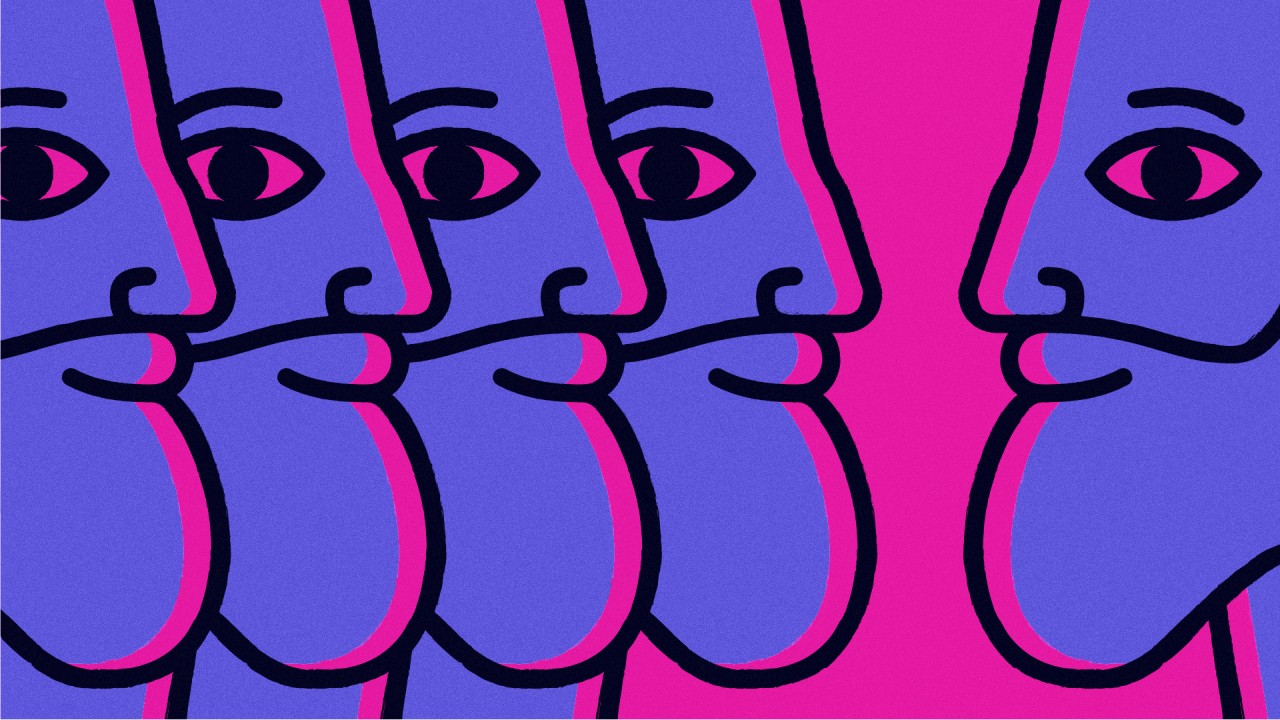
Creators increasingly look alike because many are creating from the same template.
Perhaps that is why X's decision matters beyond platform moderation. It quietly asks whether social media is accidentally teaching people that success online is less about building something and more about borrowing what already works.
Social Insight
Navigate the Rhythms of African Communities
Bold Conversations. Real Impact. True Narratives.
There is also something psychologically revealing about engagement bait itself.
"I'll follow everyone that replies."
"Say YES if you agree."
"Tag ten people."
"Comment to receive..."
These are not merely strategies for increasing numbers. They are symptoms of a culture increasingly treating human attention as something to be farmed rather than earned.
Attention has become a currency powerful enough to convince people that numbers matter more than contribution.
Ironically, the creators who survive longest online are rarely the people optimizing for next week's revenue. They are usually the people building something recognizable over decades rather than quarters.
Nobody remembers who had the highest engagement rates five years ago. People remember the individuals who gave them something worth returning to.
AI Might Become Creativity's Biggest Protector
Much of the public conversation around artificial intelligence remains focused on what AI can create. Less attention is given to what AI can protect.
X says Grok can now detect duplicated content at three times the rate of its previous model while recognising reposted material even when users attempt to disguise it with edits and watermarks.
There is something fascinating about that development. Artificial intelligence may eventually become one of the largest defenders of originality online.
The same technology people fear will replace creators could simultaneously become the technology protecting them from exploitation. That future extends beyond X.
Platforms are increasingly deploying artificial intelligence to identify bots, moderate communities, protect intellectual property and determine who deserves to be rewarded financially.
AI is quietly becoming infrastructure rather than spectacle and perhaps creator culture needs that intervention more than it realises.
Social Insight
Navigate the Rhythms of African Communities
Bold Conversations. Real Impact. True Narratives.
Because social media was never supposed to become merely another marketplace for harvesting attention. It was supposed to become a place where people discovered perspectives they would otherwise never encounter.
There is another angle here that creators themselves may need to hear: building an audience and building a brand are not the same thing.
An audience can disappear with an algorithm update. A brand survives platforms no matter the update or algorithm changes.
Many creators are building businesses that exist entirely inside someone else's application. Their personalities begin and end with platform payouts and their value disappears whenever monetisation policies change.
That is a dangerous place to build an entire career. The most valuable creators online today are not necessarily the wealthiest ones.
They are often the people who remain useful regardless of which platform currently dominates public attention.
Social media should pay creators. Original work deserves compensation. That conversation matters.
But perhaps X's decision also reminds us that creator economies were never meant to reward proximity to creativity. They were meant to reward creativity itself.
Four thousand accounts disappeared from a revenue-sharing programme in one day. The more interesting question is not how many creators were removed.
It is how many people had begun believing that creating nothing original was enough to call themselves creators in the first place.
Perhaps the future of social media will not belong to whoever posts the most.
It will belong to whoever still has something worth saying when the algorithms eventually stop listening.