31,400 Nigerians Could Die From Extreme Heat. What Else Could El Niño Bring?
Nigeria could see 31,400 excess heat deaths during the 2026–2027 Super El Niño. Here’s how extreme heat, flooding and weaker Harmattan could compound the crisis.
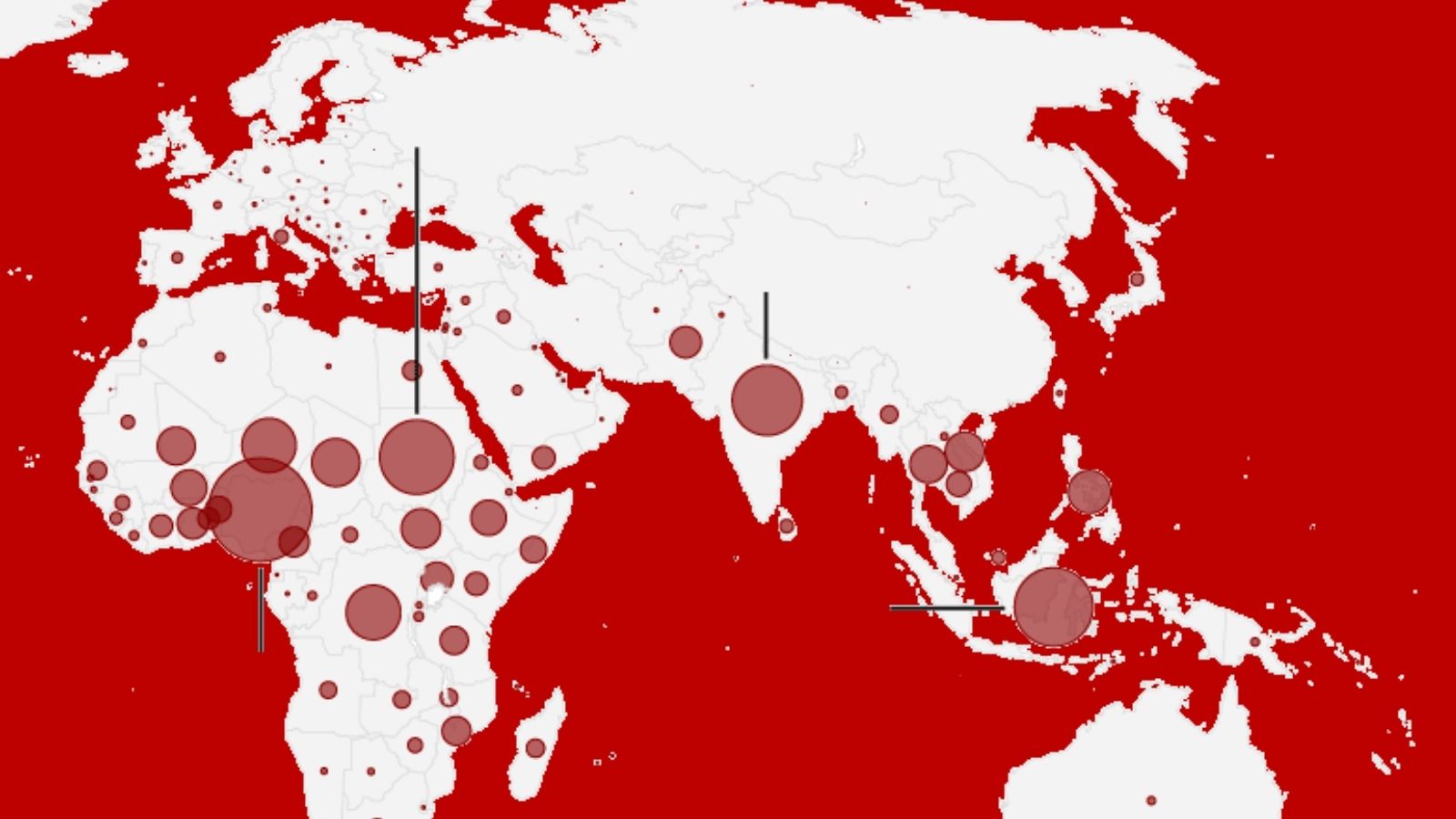
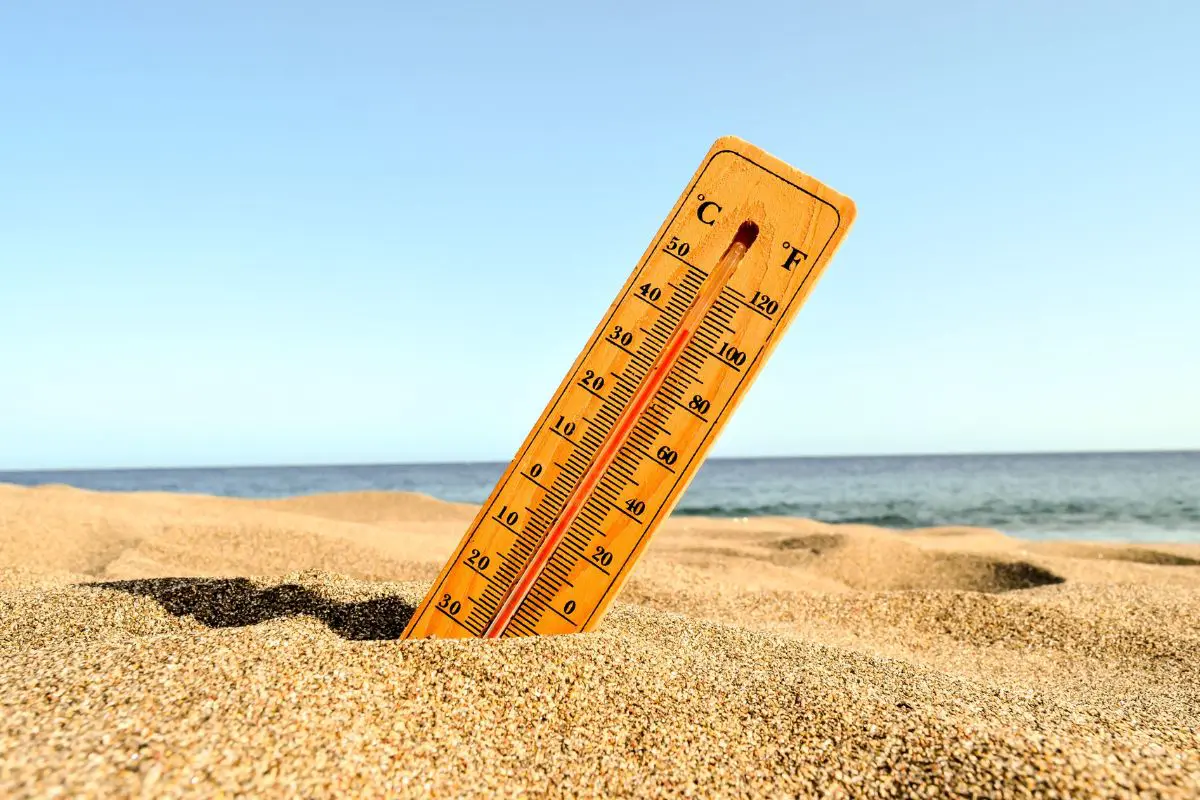
Nigeria is about to record one of its deadliest climate extremes in recent times. There are new projections that put heat deaths in the country at 31,400 between June 2026 and February 2027. This is the highest toll for just a single country in the Sahel region during the current “Super El Niño.”
This is the same time flood warnings that cover 15 states came from the NiHSA. The officials are urging communities to relocate as river levels are rising very fast. For Nigeria, El Niño is delivering both heat and flooding.
What the New El Niño Projections Show
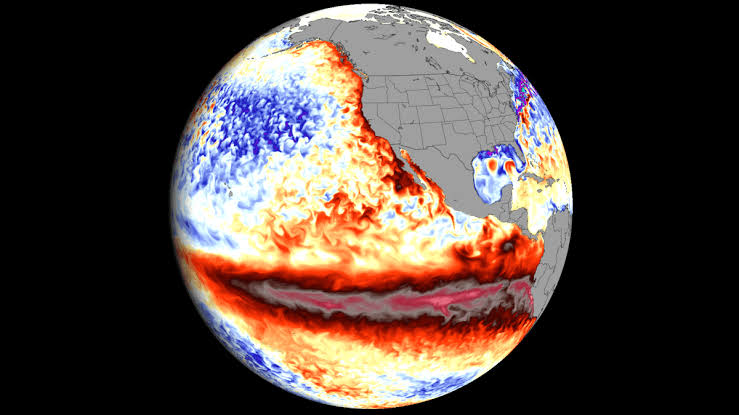
The temperatures this year have been above the normal rates. It was largely driven by the Super El Niño that started in June of 2026 and it is expected to continue till February 2027.
The researchers tracking this phenomenon have projected about 451,000 excess heat deaths worldwide and this is just for the first nine months of the event. 239,000 of those deaths are projected for the next six months.
Nigeria has a large share of the numbers. Nearly half of the 66,800 projected excess heat deaths across the Sahel are expected to happen inside Nigeria's borders.
Roughly 15,400 of Nigeria's projected deaths are expected between December 2026 and February 2027 alone. Coincidentally, this is the period that should be the country's coolest, driest months.
Nigeria's Crisis Mirrors a Continent-Wide Pattern
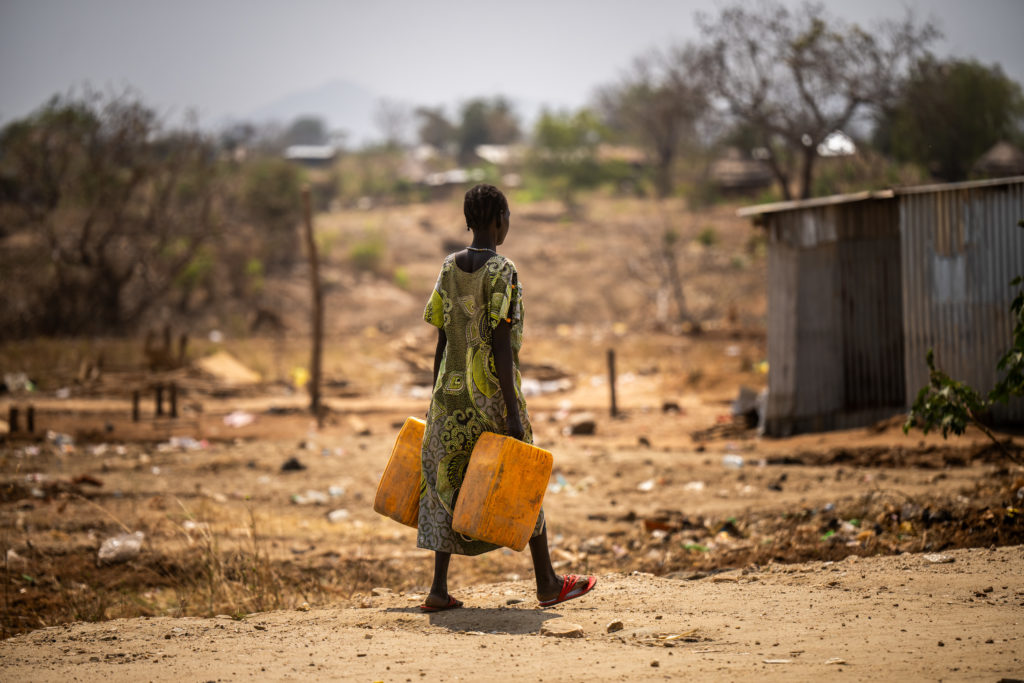
Nigeria is not the only affected country. Sudan is projected to face 17,500 additional heat deaths over the same period, Niger 10,000, and Chad 8,000, placing four African countries among the regions hit hardest by this El Niño worldwide.
If combined, the total projections of the Sahel runs close to 67,000 excess deaths.
There is a pattern connecting these countries and it is consistent. Large populations are exposed to outdoor heat; there is also strained health infrastructure and limited access to cooling technology or reliable power.
Sudan's numbers are worsened bythe ongoing humanitarian crisis that has already weakened hospitals and displacement camps.
Niger and Chad are both landlocked and heavily dependent on subsistence agriculture, therefore, they face the added risk of heat stress disrupting planting and harvest cycles at the same time temperatures spike.
What happens in Nigeria over the coming months is both a preview and a case study for its neighbours, since the interventions that work here are the same tools being weighed across the wider Sahel.
Beyond the Sahel, the same El Niño event is driving comparable spikes in South East Asia, Indonesia, India, and Brazil, indicating that this is a Global South crisis rather than a Nigeria-specific one.
But within Africa, the Sahel corridor stretching from Nigeria through Niger, Chad, and Sudan is emerging as the continent's most exposed zone this season.
El Niño Is Not Just a Heat Event
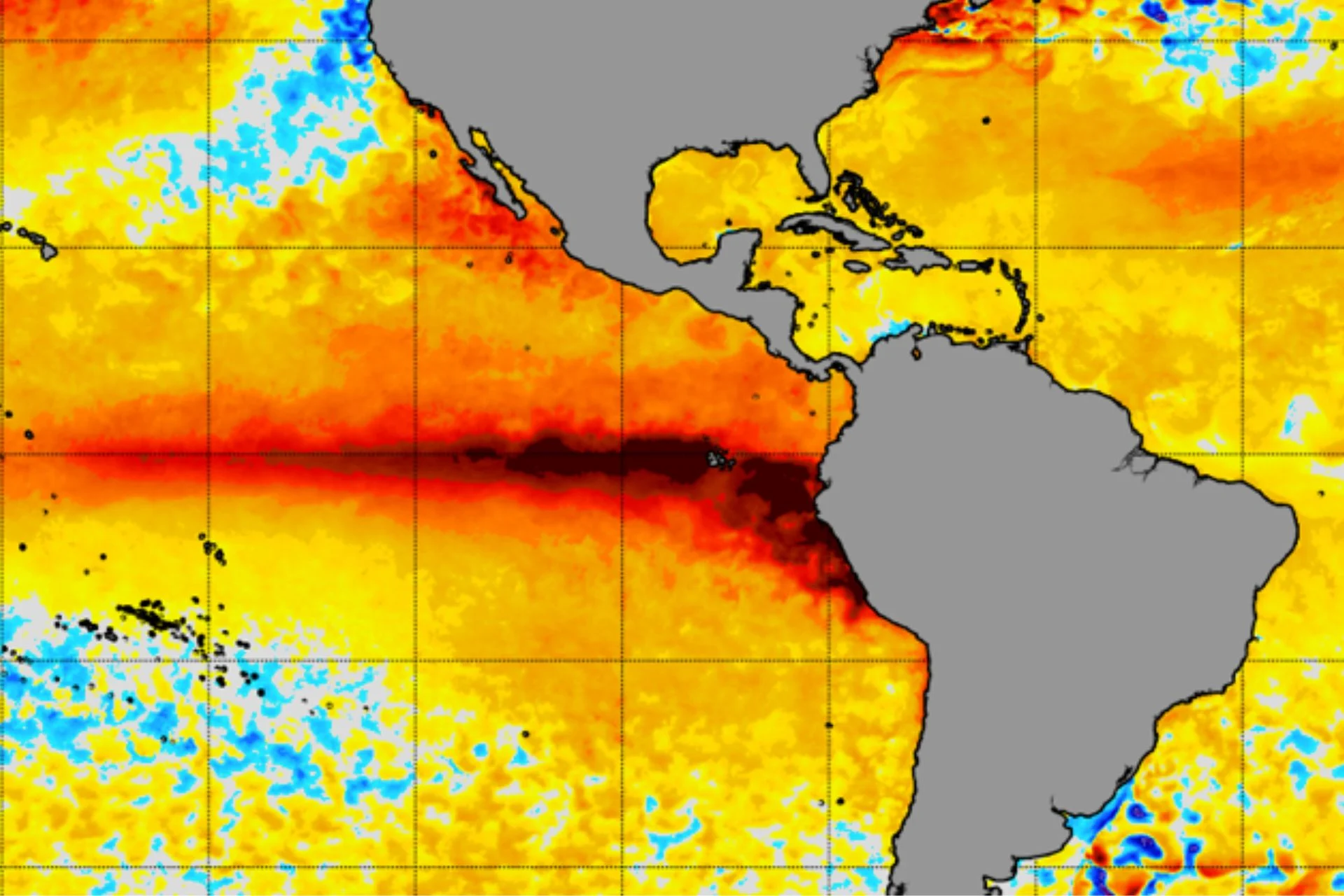
A common misconception is treating El Niño as a heat phenomenon alone. In reality, it disrupts rainfall patterns just as severely as it disrupts temperature. It intensifies both extremes depending on the region and the season.

For West Africa, that has meant hotter dry weather alongside heavier, less predictable rainfall, sometimes within the same year.
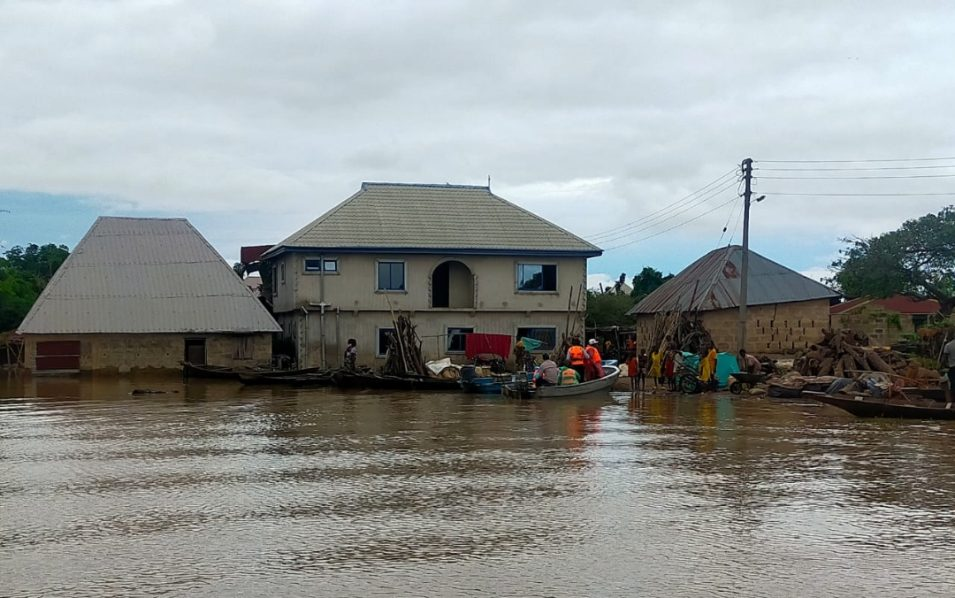
Nigeria is currently living this reality. While heat projections dominate the current climate reporting, the Nigeria Hydrological Services Agency has simultaneously issued a high flood risk alert covering 15 states, including Lagos, Rivers, Delta, Benue, Anambra, and Cross River, for the period running through late September 2026.
Rising river levels at key monitoring stations along the Cross River have already pushed thousands of communities, schools, health facilities, and farms into flood exposure zones.
Flooding Is Compounding the Damage
In Cross River State alone, thousands of communities and hundreds of schools, health facilities, markets, and religious centers have been flagged as areas prone to flooding. Authorities have urged residents in floodplain communities to move to higher ground before water arrives rather than after.
Nigeria has already lost children to flash flooding this year, with pupils swept away by fast-rising water before rescue teams could reach them.
These are previews of what happens when flood warnings arrive faster than evacuation plans can be executed, especially in communities without proper drainage, early warning systems, or safe shelter options.
The result is a country facing two climate emergencies at once: a heat crisis capable of killing tens of thousands and a flood crisis capable of killing suddenly and visibly, through drowning and displacement.
Harmattan's Disappearance Removes a Natural Buffer
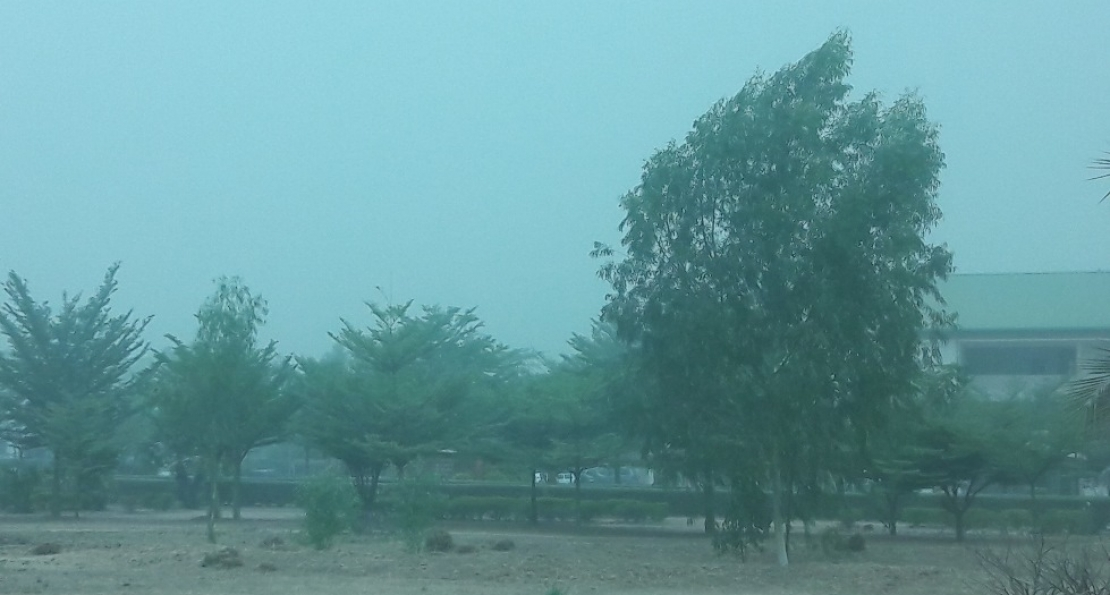
Nigeria's weakening Harmattan seasoncomplicates this crisis. The cool, dry winds that once moved down from the Sahara between November and March have grown progressively weaker over the past three decades, and December temperatures that once dropped into single digits in parts of Northern Nigeria have instead climbed as high as 38°C in recent years.
Harmattan gave farmers a predictable window to dry crops and gave health systems a seasonal lull between the rainy season's flood risk and the dry season's heat risk.
As that buffer disappears, Nigeria loses a mechanism that once separated its two biggest climate threats. It also leaves less recovery time between events and less predictability for the families and city planners who depend on seasonal patterns to prepare.
What Can Be Done Now
The window to prevent a large share of these projected deaths has not closed. Heat early warning systems, community cooling centers, hydration outreach for outdoor workers, and expanded hospital capacity for heat-related illness have all been shown to reduce mortality when deployed ahead of extreme temperature events.
On the flood side, relocating floodplain residents before water rises, clearing blocked drainage channels, and pre-positioning relief supplies remain the most effective tools available in the current warning window.
What Nigeria, and its Sahelian neighbors, cannot afford is treating heat and flooding as separate, sequential problems. This El Niño season is making clear that both risks now arrive together across the region, and the response has to match that reality.