15 Years After Independence, South Sudan Is Still Waiting for Its First Transfer of Power. Why Is Kiir Pushing Elections Now?
South Sudan is preparing for its first post-independence election as Kiir changes electoral laws, raises questions over the 2018 peace deal, opposition and political tensions.
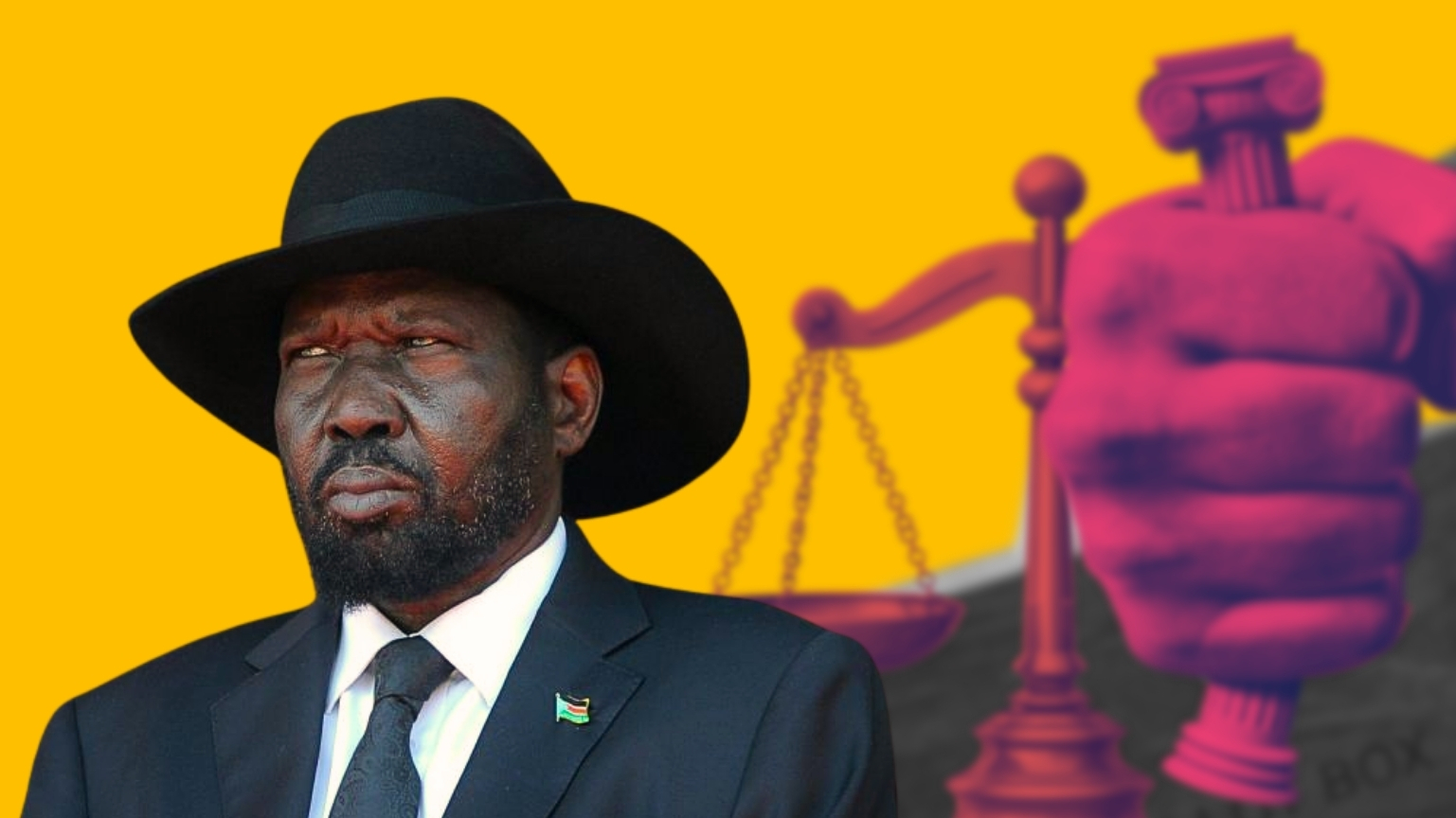
South Sudan has never had a peaceful transfer of power since it broke away from Sudan in 2011.
President Salva Kiir Mayardit has led the country from independence through a civil war, a fragile peace deal, and five postponed elections.
Now, with a newly amended election law and a December 22, 2026 vote on the calendar, Kiir says the country is finally ready to choose its next government. But the record and the numbers tell a complicated story.
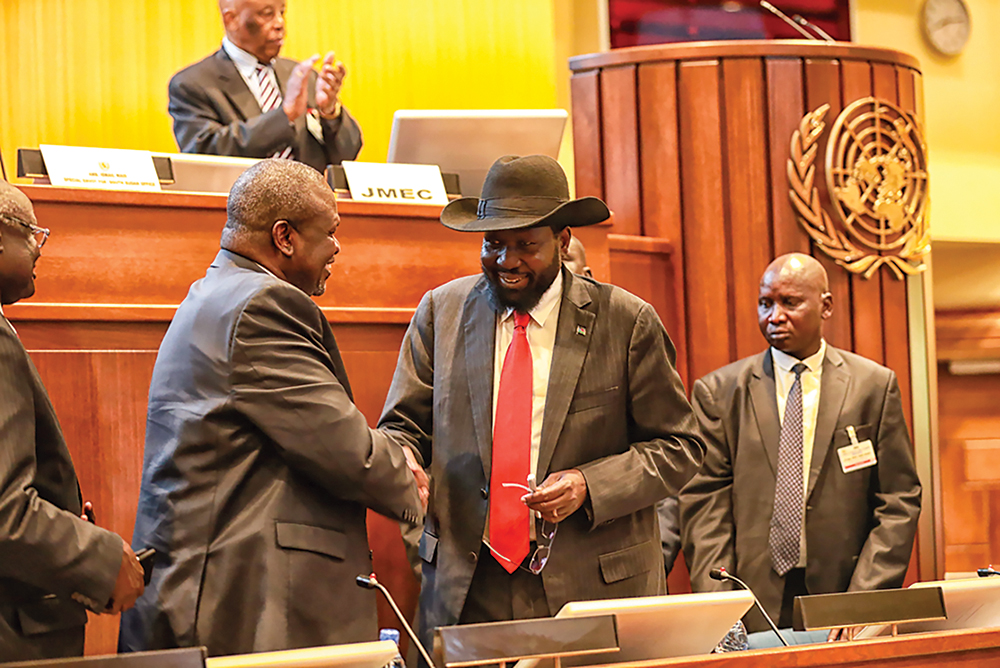
A Peace Agreement Kiir Never Fully Implemented
South Sudan has repeatedly postponed elections since gaining independence in 2011. This was largely due to political disagreements, insecurity and delays in implementing the 2018 peace agreement that complicated successive electoral timetables.
That agreement, the Revitalized Agreement on the Resolution of the Conflict in South Sudan, was supposed to unify rival forces, restructure the military, and set up transitional justice mechanisms before any vote took place. Most of that never happened.
Unified command structures remain incomplete, cantonment sites for combatants remain underfunded, and the transitional justice institutions promised in 2018 largely exist on paper.
Instead of resolving those gaps, the tensions they created just deepened. Kiir's longtime rival Riek Machar, who leads the main opposition SPLM-IO, has been under house arrestsince March 2025. He is also on trial on charges including treason and murder, which he denies.
Machar was Kiir's first vice president under the same 2018 deal that was meant to guarantee power-sharing. His detention has effectively removed the opposition's most prominent signatory from the political process just as the country heads toward a vote.
What the New Election Law Actually Changes
On September 21, 2026, President Kiir passed the National Elections Act, 2012 (Amendment) Bill, 2026 which marked another step in South Sudan's preparations for the December polls.
The changes removed requirements that linked elections to the completion of a permanent constitution and a national census. Both processes were the core commitments of the 2018 peace agreement, and both have now become optional prerequisites.
The law also restructures who stays in office and for how long. One key provision states that the incumbent president will remain in office throughout the election period with full constitutional powers until the elected president takes over.
The first vice president and the other four vice presidents, however, are required to leave office three months before the elections.
Simply put, Kiir keeps all of his executive powers through the vote while his rivals in the unity government are pushed out before the ballot day.
The law further reduces the National Legislative Assembly to 270 members from 650, with state assemblies dropping from 100 to 58 members and legislative councils in administrative areas set at 20 members.
The South Sudan Opposition Alliance rejected the changes, arguing they were made without adequate consultation among the parties that signed the 2018 agreement.

Why December 2026, Why Now
The timing raises critical questions. Kiir has overseen the postponement of national elections five separate times since 2015.
Voter registration has not yet begun, even as the country enters the final three-month stretch before the scheduled vote.
The signing also came days after Kiir dismissed the chairperson of the National Elections Commission and replaced him with a new appointee, a move that has drawn scrutiny from analysts over the timing and legal process behind it.
Pushing elections forward while dismantling the constitutional and census requirements that were meant to legitimize them lets Kiir set the terms of a vote his government fully controls and not the one built on the institutional foundations the 2018 deal envisioned.
With his main rival sidelined by a criminal trial and the legislature shrunk in ways that concentrate influence, the amended law seems like a managed transition designed to preserve the current power structure under an electoral label.
Hunger Deepens as Politics Takes Priority
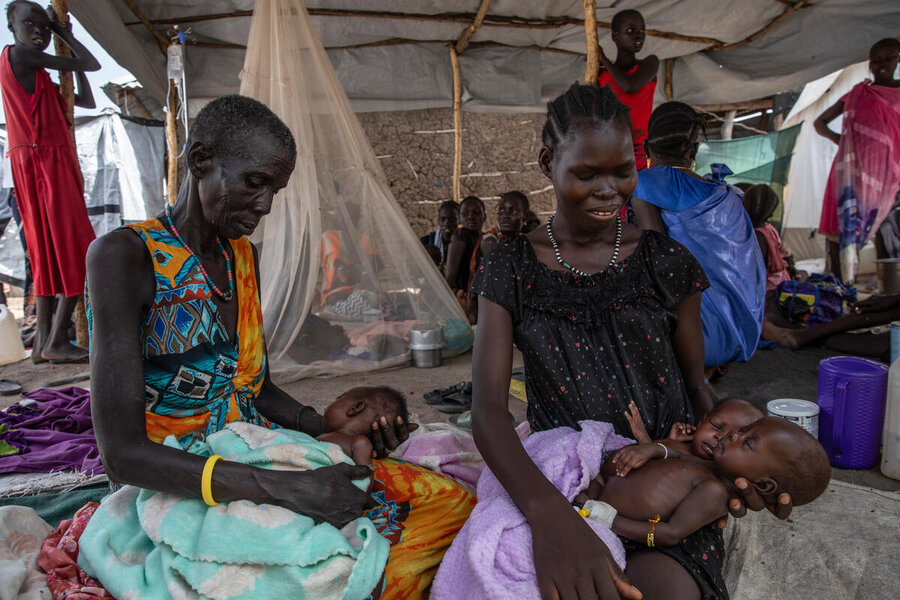
While political actors negotiate over legislative seats, the humanitarian picture has continued to worsen.
Between April and July 2026, an estimated 7.8 million people in South Sudan faced high levels of acute food insecurity. This represents 56 percent of the population and one of the highest rates in the world.
Among them, 73,300 people were classified in Catastrophe, the most severe food insecurity phase which is a 160 percent jump from the prior estimate.
About 2.11 million children between six and 59 months old and 1.15 million pregnant and breastfeeding women were also expected to need urgent treatment for acute malnutrition.
Luakpiny/Nasir County in Upper Nile State remains a particular concern as populations there face a risk of famine under a plausible worst-case scenario. Conflict, displacement, and disrupted humanitarian access are named repeatedly as the drivers.
None of these pressures have slowed the push toward a December vote.
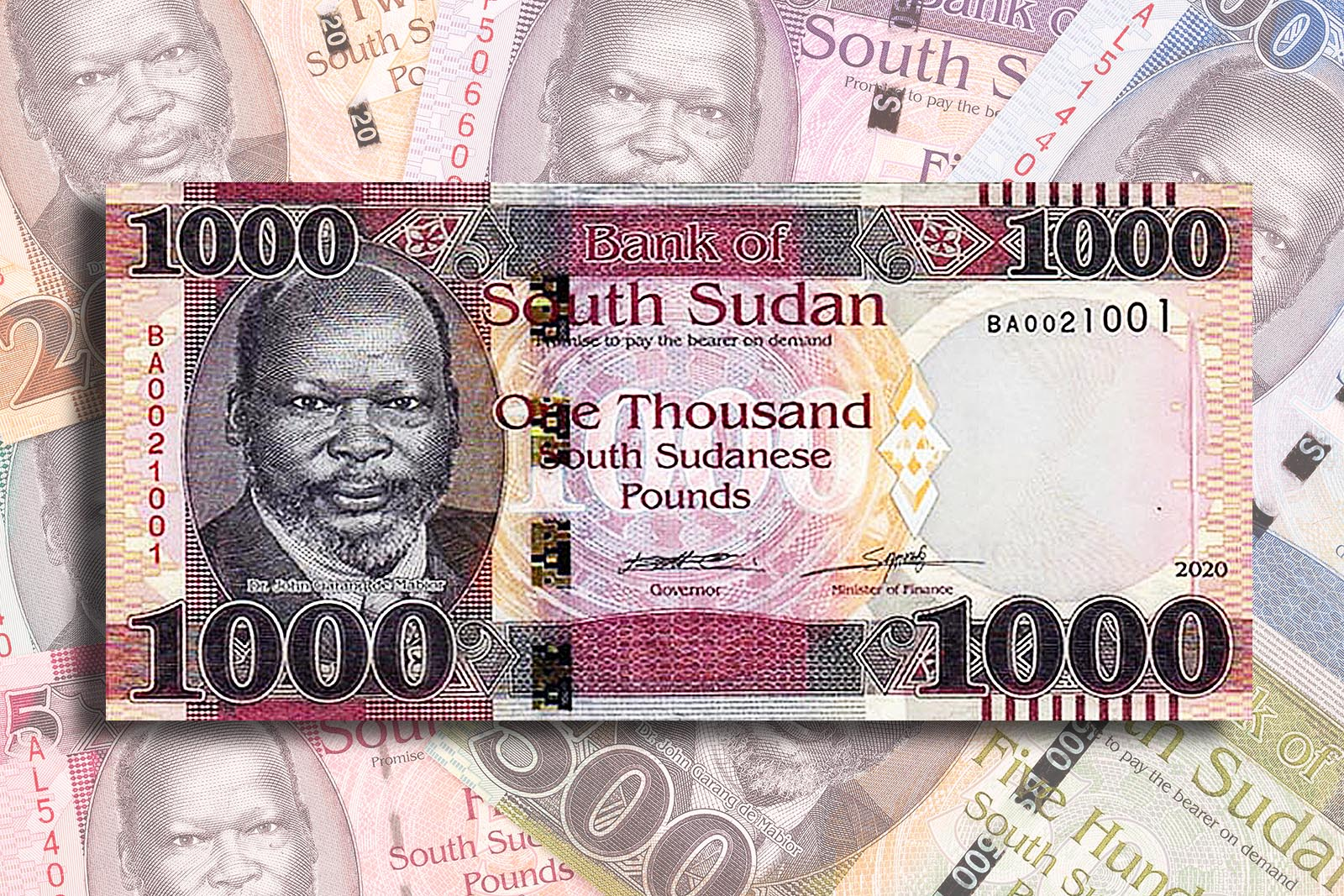
A Currency in Free Fall
The South Sudanese pound lost 70 percent of its value against the US dollar between January and July 2024 alone and has pushed more than seven million people into food insecurity.
By mid-2025, the official dollar rate had climbed above SSP 4,600, and parallel market rates have consistently traded even higher.
Civil servants and members of the organized forces have gone unpaid for more than a year, while the government struggles to cover basic expenditures.
The collapse traces back largely to disrupted oil exports through Sudan, South Sudan's main source of foreign currency, after infrastructure damage from the war next door.
A government that cannot pay its own soldiers or stabilize its own currency is now asking citizens to trust it with the organization of a credible national vote.
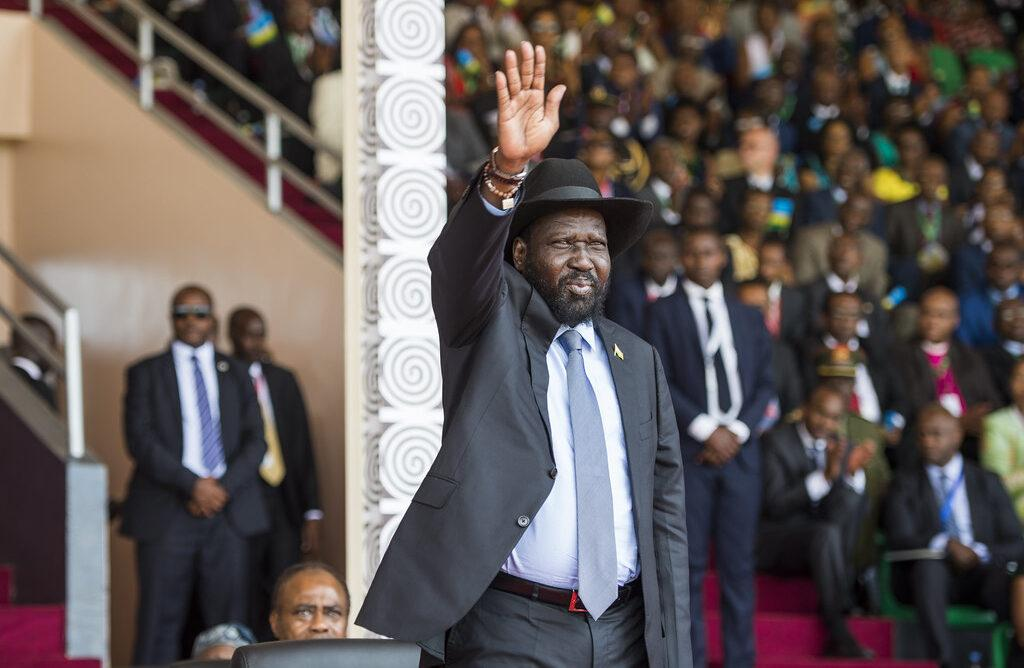
21 Years of Power, Still No Transfer
Salva Kiir has led South Sudanese territory continuously sincethe 2005 Comprehensive Peace Agreementmade Southern Sudan an autonomous region, and as president since independence in 2011.
Fifteen years on, the country has never completed a transfer of power at the ballot box. The amended election law clears legal hurdles, but it does so by stripping out the very safeguards the 2018 peace agreement put in place, while also leaving Kiir in full control of the transition.
Whether the December vote produces an actual change in leadership, or simply a new legal architecture for the same one, remains the question hanging over South Sudan's next chapter.