15 Nigerian States Under Flood Warning: What to Do If Floodwater Reaches Your Area
NiHSA has placed 15 Nigerian states under high riverine flood risk. Here is what households should do before, during and after floodwater reaches their area.
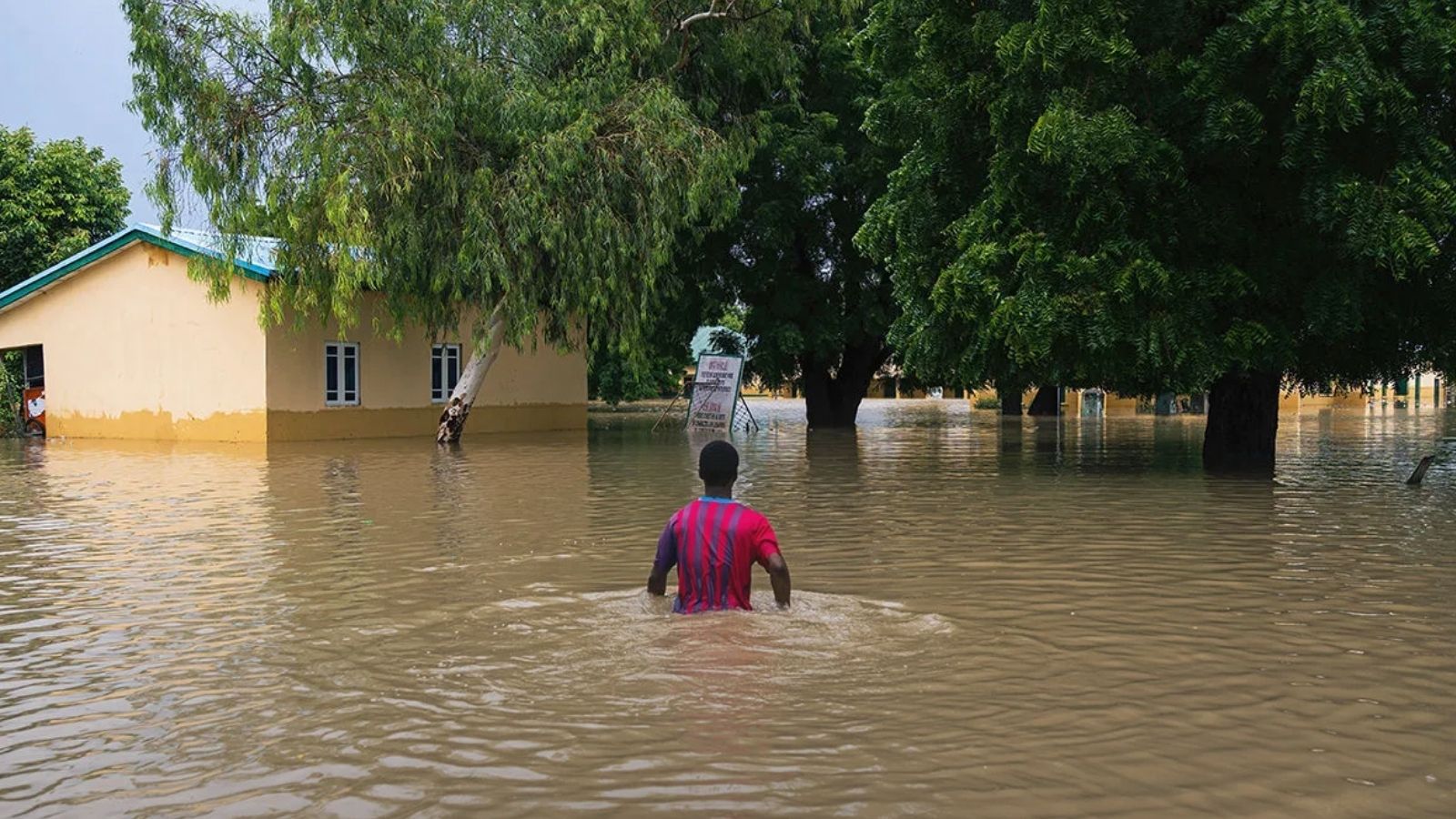
The Nigeria Hydrological Services Agency (NiHSA) has issued flood alert NFA-2026-262, placing Imo, Cross River, Ebonyi, Benue, Anambra, Akwa Ibom, Lagos, Rivers, Edo, Kogi, Taraba, Delta, Bayelsa, Enugu and Abia on high riverine flood risk from September 19 to 25, 2026.
Nine river stations are under close watch, including Obubra, Itigidi and Epento on the Cross River.
Schools, health centres, markets, farms and worship centres are among the places exposed. If your state is on the list, here is what to do before, during and after floodwater reaches your area.
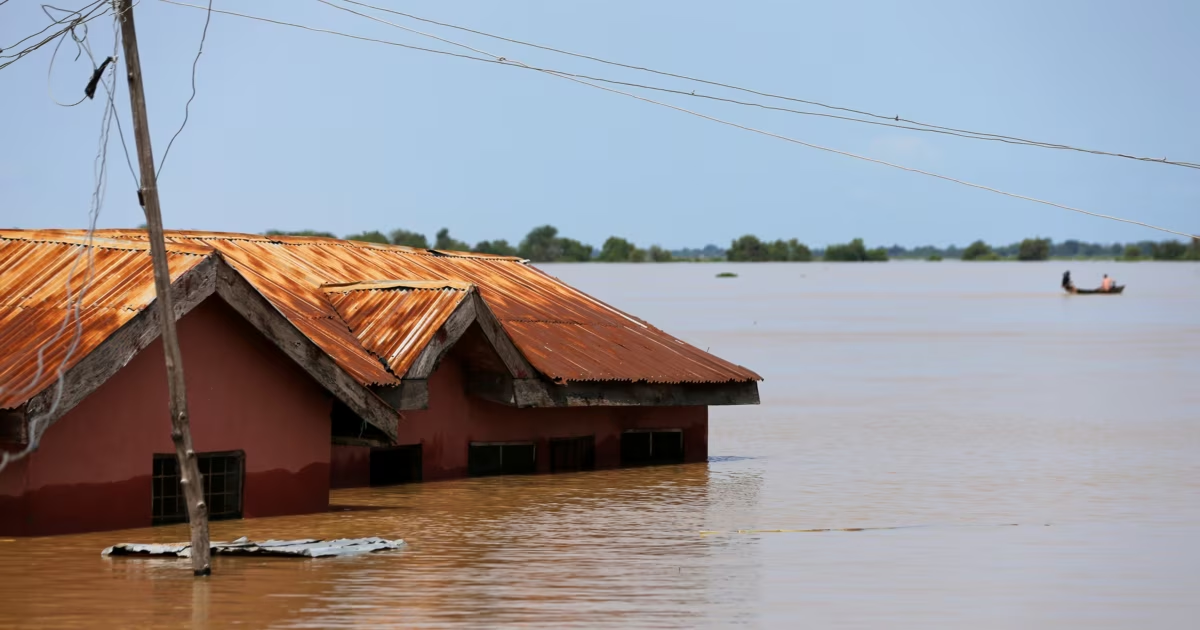
Is Your Community in the Flood Warning Zone?
A state-level warning hides big differences between communities, so find out whether your local government area is named.
In Benue, the list includes Buruku, Gboko, Guma, Katsina-Ala, Logo and Ukum.
In Anambra, it includes Anambra East, Anambra West, Ayamelum, Awka North, Awka South, Aguata and Anaocha.
Akwa Ibom's list includes Eket, Ibeno, Etinan and Abak, and Cross River has more than 2,400 communities in exposed areas.
Ask your landlord, community development association, town union or LGA officials about past flood levels.
Riverine floods travel from upstream, so your street can go under while the sky above you is clear.
Flood Preparation Tips for Nigerian Households
Preparation in the next few days can decide how safely you get through a flood. Start with these steps:
Pack an emergency bag with sealed drinking water, garri, biscuits, a torch, a power bank, a first aid kit, ORS sachets, water purification tablets and regular medication.
Seal your official documents like your NIN slip, voter's card, school certificates, land papers and bank cards in nylon, and save phone photos or email copies.
Keep some cash.
Raise your valuables. Lift mattresses, electronics, files and gas cylinders onto tables, high shelves or an upper floor.
Move livestock and harvest early. Farmers and traders in Benue, Anambra, Ebonyi and Cross River should relocate goats, poultry, yams, rice and cassava before the river peaks.
Power your phone and power bank now, since blackouts usually come with floods.
Identify the nearest school, church, mosque or government camp on higher ground and share the route with your family.
What to Do During a Flood in Nigeria
When water starts rising in your area, act quickly and calmly.
Move to higher ground immediately if authorities or community leaders advise evacuation. Turn off electricity of the entire house and unplug appliances.
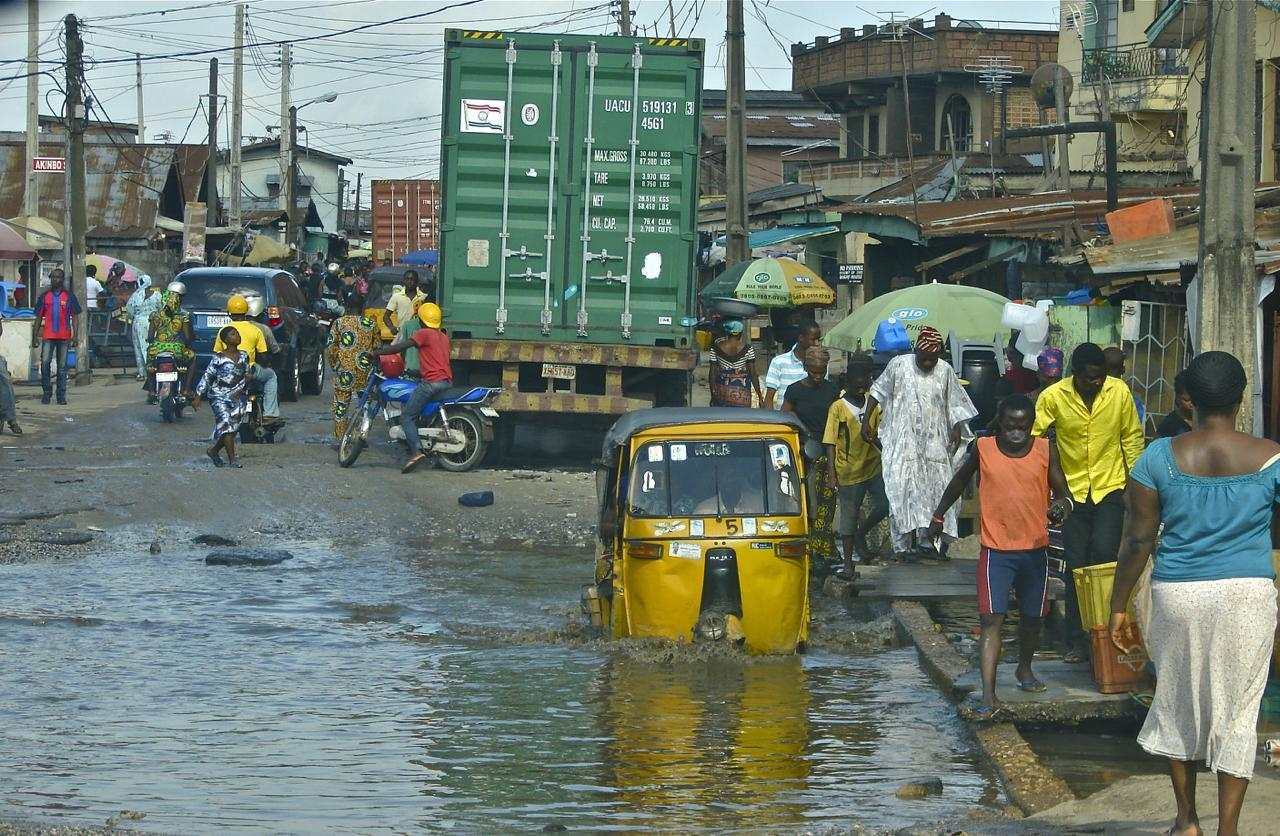
Never walk, swim or drive through floodwater. Around 15 centimetres of moving water can knock an adult off their feet, and 30 centimetres can carry a car away.
Stay far from electric poles, fallen cables and transformers and if you must use a boat or canoe, avoid boarding an overloaded one.
Call the national emergency number, 112, if you or someone near you is in danger.
Health Risks After Flooding in Nigeria: Cholera, Borehole Water and Snakes
Nigeria is already dealing with a heavy cholera season, and floodwater can further spread the disease by pushing sewage into boreholes, wells and rivers. Water that looks clear can still be contaminated.
Boil or chlorinate every drop you drink or cook with, including borehole, well, sachet and bottled water, until authorities confirm supplies are safe.
Check that bottled water seals are intact, wash your hands with soap, and avoid food that floodwater has touched.
At the first sign of watery diarrhoea, start ORS and get to the nearest health facility quickly, because dehydration can turn dangerous within hours.
Wear boots instead of walking with flat shoes, since floods displace snakes. Sleep under treated nets to reduce malaria risk.
What to Do After the Flood Recedes
Return home only when local authorities or community leaders say it is safe. Have an electrician check your wiring before restoring power, and do not start a generator or appliance that water has reached.
Photograph the damage and report it to your LGA and state emergency agency so your household is counted for relief.
Clear blocked drains only where it is safe, and stop dumping refuse in gutters and channels.
Stay Alert and Look Out for Vulnerable Neighbours
Check on elderly neighbours, people with disabilities, pregnant women and young children, and help them reach higher ground first.
Share this information in groupchats, and keep watching NiHSA advisories for updates after September 25.
