10 Nigerian Markets Every Food Lover Needs to Visit

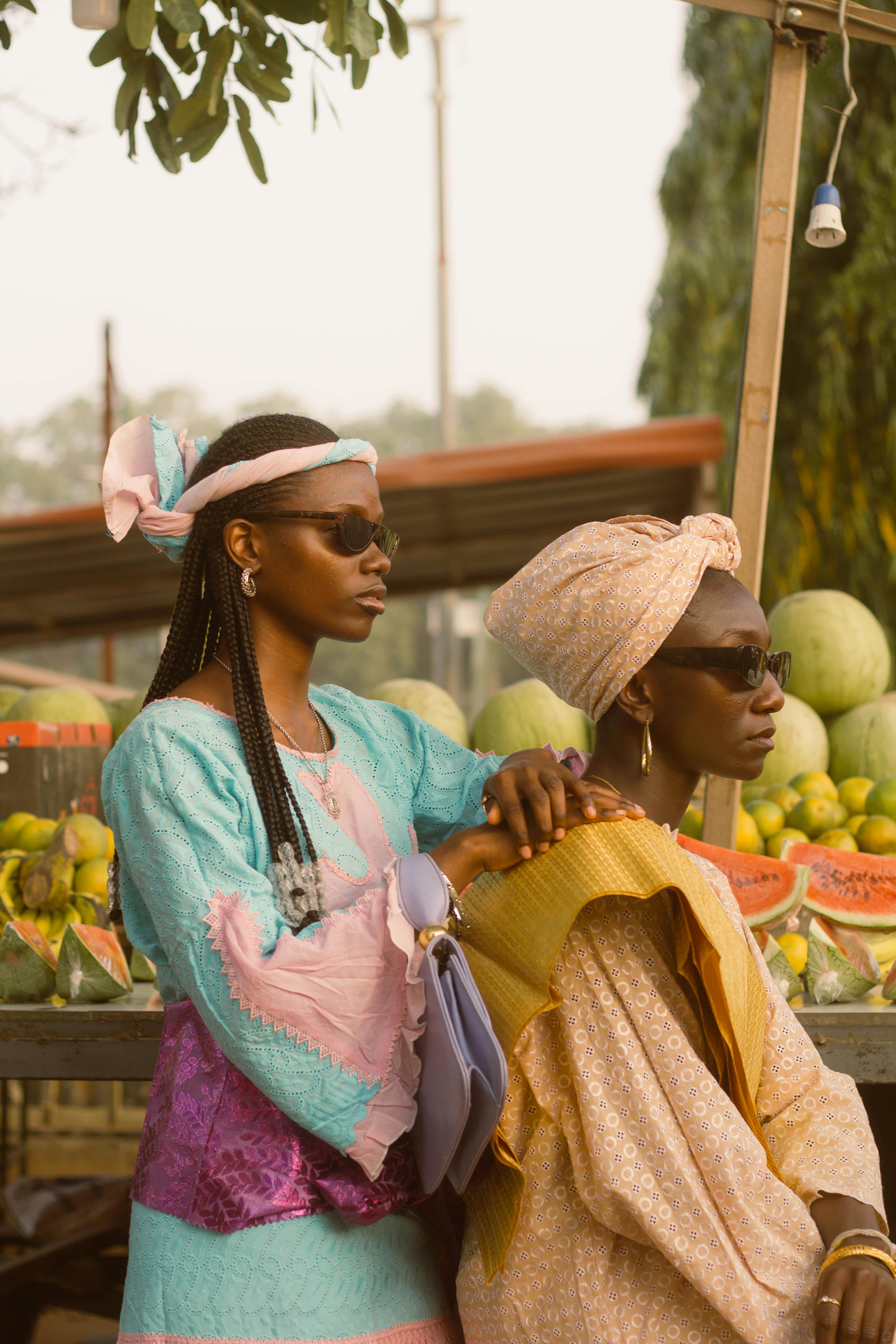
If you want to understand Nigeria, follow the food — and there’s no better map than its markets. Across the country, from the humming streets of Lagos to the historic alleys of Kano, markets are more than just places to buy and sell; they are living, breathing museums of taste, tradition, and tenacity.
Whether you're in search of fiery peppers in Mile 12, ancient grains in Bwari, or the regal intensity of fermented locust beans in Oja Oba, this guide takes you through 10 of Nigeria’s most vibrant markets. Think of it as your passport to the country’s pantry — a celebration of where our food begins, and where culture and commerce dance. Get ready to explore the spice trails, yam towers, and butcher stalls that power the kitchens of a nation.
1. Mile 12 Market, Lagos – The Beating Heart of Freshness
Mile 12 is a cacophony of color and chaos, an orchestra conducted by the movement of onions, yams, and trucks. It is Lagos’s pantry — supplying the city with tomatoes from Jos, peppers from the North, and vegetables from the South-West.
Here, food isn’t just sold; it’s stacked into pyramids of flavor, hauled in headloads and wheelbarrows, and bargained over like treasure. If Nigeria had a flavor factory, this would be it.
Must-see: Tomatoes the size of fists, a rainbow of bell peppers, and endless strings of dry okra and ogbono.
2. Oja Oba, Ibadan – The Royal Pantry
Sitting beside the King’s palace in Ibadan, Oja Oba carries the dignity of history in its aroma. With snails large enough to be pets, locust beans fermenting with regal intensity, and ancient herbalists tucked into corners, this market whispers the wisdom of the ages.
Must-try: Fresh egusi seeds, bush meat, and locally fermented iru (locust beans) that perfume the air with tradition.
3. Bodija Market, Ibadan – The Butcher’s Canvas
Bodija is where protein dreams are born. You hear the rhythm before you arrive — the thwack of cleavers, the sizzle of roadside suya, the chant of meat vendors. It’s not for the faint-hearted, but it’s a meat-lover’s wonderland.
Must-see: Cow leg, goat offal, and smoked fish that carries the whisper of forest fires.
4. Ariaria Market, Aba – The Market of Ingenuity and Ingredients
Nicknamed the "China of Africa" for its industry, Ariaria is also a pocket of culinary resilience. Among the leather and sewing machines lies a culinary corridor filled with southeast Nigerian staples like ukazi leaves, ogiri, banga spice, and crayfish so fragrant it could wake the ancestors.
Must-buy: Ogbono, egusi, palm oil so rich it glows, and dried spices in carefully measured bottles.
5. Itoku Market, Abeokuta – Where Earth Meets Elegance
Itoku is known for its vibrant tie-dye Adire fabrics, but peer behind the textiles and you'll find a rich food section. Here, you’ll discover yam towers, baobab fruit, and smoked fish laid out like artwork. It’s where Yoruba food identity thrives in every stall.
Must-try: Roasted groundnuts in calabashes, dried bush mango (ogbono), and bundles of bitter leaf fresh from nearby farms.
6. Wuse Market, Abuja – Nigeria’s Culinary Roundtable
This is Nigeria’s capital on a plate. You can find Hausa delicacies, Yoruba spices, and Eastern ingredients all within arm’s reach. Fresh fruit stalls, grilled catfish joints, and fragrant street suya corners all intermingle like a well-seasoned stew.

Must-experience: Pineapple and watermelon freshly carved, northern spices like yaji, and the aroma of kilishi grilling beside designer perfume stalls.
7. Onitsha Main Market – The Maze of Plenty
Reported to be one of the largest markets in West Africa, Onitsha Main Market is a world within a city. Every culinary ingredient imaginable can be found here, often in overwhelming quantities. It's a market that swallows hours and offers riches in return.
Must-have: Nsukka yellow pepper, smoked crayfish, and spices in bulk for everything from oha soup to nkwobi.
8. Kantin Kwari Market, Kano – The North’s Spice Cathedral
Kano’s famous textile market has a lesser-known culinary section that is a spice-lover’s paradise. Think of ginger as thick as thumbs, dates like golden marbles, dried hibiscus petals (zobo), and ancient grains that fed generations.
Must-buy: Zobo petals, tiger nuts, cloves, millet, kulikuli, and oils in reused soda bottles that shine like gold.
9. Bwari Market, Abuja – The Millet & Magic Corner
Not as sprawling as Wuse, Bwari is a niche market known for northern grains and traditional foodcraft. Here, you’ll find women grinding millet with ancient stones, selling fura, or wrapping masa in banana leaves. It’s food as folklore.
Must-see: Dried acha (fonio), guinea corn, fura da nono, and masa sizzling over charcoal.
10. Ile-Epo Market, Lagos – The Underrated Powerhouse
Often overshadowed by bigger names, Ile-Epo is a local’s secret — a labyrinth of seasoning, starch, and firewood scent. From massive yams to the most affordable food ingredients in Lagos, this market keeps the city’s bellies full and budgets intact.
Must-explore: Yam pyramids, artisan garri, bundles of dried ugu (fluted pumpkin leaves), and the all-important pepper triangle: atarodo, tatashe, and shombo
Save this post, to guide you on your market adventure!