Zelenskyy Says Russia Is Preparing to Bring in More North Korean Troops
The Ukrainian President Volodymyr Zelenskyy states that Russia is preparing to deploy more North Korean troops and has received additional ballistic missiles from Pyongyang, highlighting Russia's increasing reliance on North Korean military assistance. This comes amidst a deepening mutual defense pact between Russia and North Korea, which has seen North Korean troops involved in the Kursk offensive and significant casualties. Furthermore, this military alliance is contributing to North Korea's economic recovery through strengthened ties with Russia and China.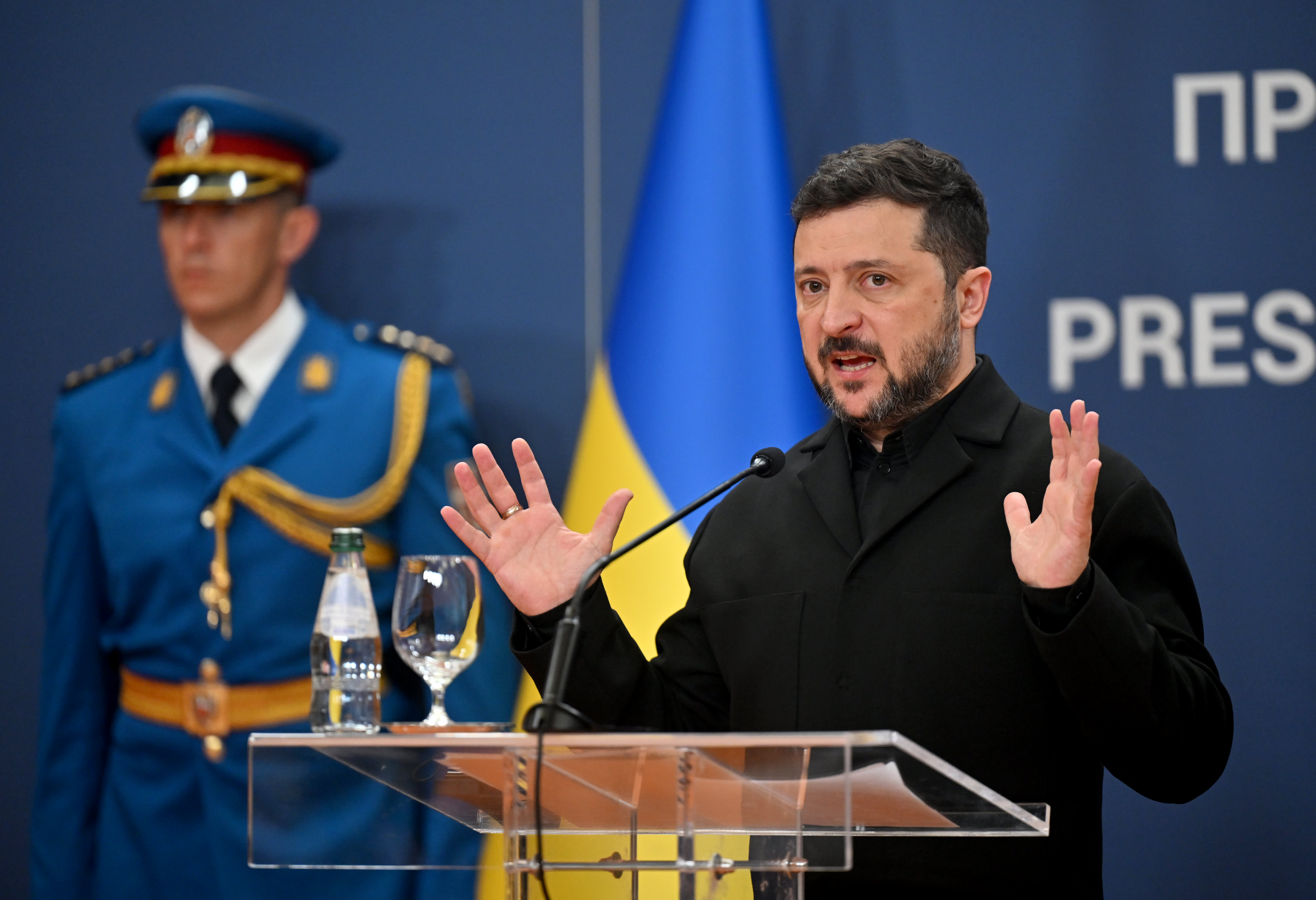
Ukrainian President Volodymyr Zelenskyy says Russia is preparing to receive another contingent of North Korean troops as military cooperation between Moscow and Pyongyang deepens.
Zelenskyy also claimed that Russia has received additional ballistic missiles from North Korea, warning that Pyongyang is gaining valuable battlefield experience from its involvement in the war.
“For the first time in its history, Russia cannot wage war without reinforcements from North Korea,” Zelenskyy said in his latest address.
The Ukrainian president did not provide evidence for the latest troop deployment claim or specify how many soldiers could be involved. However, recent reports confirm Zelenskyy made the claims about additional troops and ballistic missiles as Kyiv pushes its allies for greater military support.
North Korean involvement in Russia's war is already well established.
Pyongyang previously sent thousands of soldiers to Russia, where they participated in fighting against Ukrainian forces in the Kursk region. North Korea later publicly acknowledged that it had deployed troops to support Russia.
The relationship between the two countries has grown considerably since Russian President Vladimir Putin and North Korean leader Kim Jong Un signed a mutual defence agreement in 2024.
North Korea has also supplied Russia with ammunition and ballistic missiles. A multinational monitoring report released earlier documented extensive North Korean military support for Russia, while also detailing technology and military assistance flowing from Moscow back to Pyongyang.
That exchange is increasingly concerning Ukraine and several of North Korea's neighbours.
Zelenskyy warned that North Korean forces are not simply helping Russia but gaining experience in modern warfare, while the country's weapons programmes could benefit from information gathered through their use on the battlefield.
“The more their missiles and soldiers are used, the more they correct their shortcomings and blind spots,” he said.
He argued that the consequences could eventually extend beyond Ukraine, particularly to countries including South Korea and Japan.
Zelenskyy has consequently called for greater cooperation with both countries, including assistance in strengthening Ukraine's air defences.
His latest warning comes weeks after he claimed Moscow was seeking tens of thousands of additional North Korean personnel for its war effort. Reuters reported in July that Zelenskyy said Russia wanted to bring in about 30,000 more troops, although that figure was based on Ukrainian intelligence and was not independently confirmed.
The latest claims suggest that the military partnership between Russia and North Korea is becoming an increasingly important part of the wider war.
But the scale and timing of any new North Korean deployment remain unclear, and Zelenskyy's latest assertions about additional troops and missiles have not been independently verified.