Zambian Politics Explodes: Electoral Commission Meeting Reveals Deep Factional Rifts Ahead of 2026 Polls

The Electoral Commission of Zambia (ECZ) recently convened a high-level engagement meeting with over 50 aspiring presidential candidates, aimed at providing procedural clarity and updating stakeholders on the roadmap for the upcoming 2026 General Election, scheduled for August 13. Held at the Mulungushi International Conference Centre in Lusaka, ECZ Chairperson Mwangala Zaloumis underscored the Commission’s commitment to transparency, inclusivity, and continuous dialogue, stating that "Informed participants, clear processes, and continuous dialogue are essential to ensuring credible elections." Discussions were intended to cover qualifications, legal requirements for presidential candidates, and the crucial pre-processing of supporters to ensure efficiency during the nominations period.
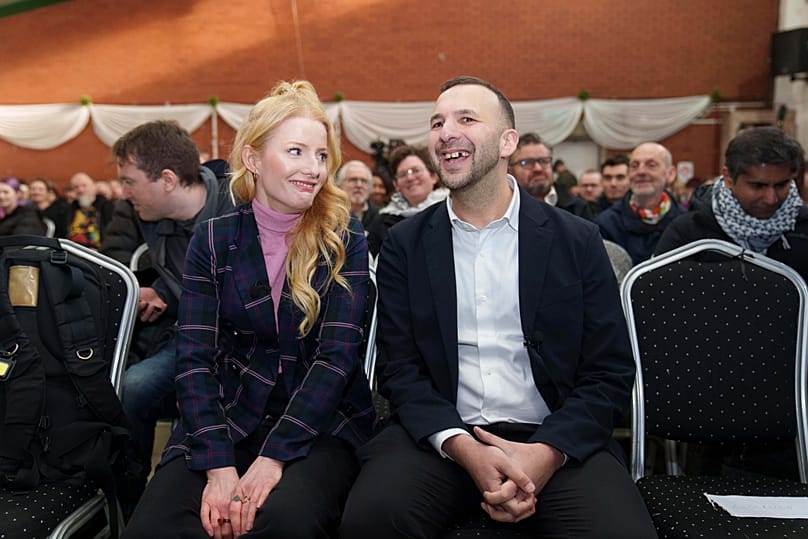
However, what was initially designed as a technical and administrative engagement quickly devolved into a moment of palpable institutional tension and political exposure. The meeting highlighted significant internal party disputes, with rival factions clashing visibly over representation. A striking instance occurred within the Patriotic Front (PF), where both Makebi Zulu and Miles Sampa attended as aspiring presidential candidates, effectively presenting two competing claims to leadership under the same party banner. This dual presence underscored the unresolved legal and political battles that continue to define the PF, even in the wake of recent court rulings.
A similar scenario unfolded within the National Democratic Congress (NDC), where Saboi Imboela and Arthur Musukwa appeared as separate presidential contenders. It was Imboela who escalated the moment by rising on a point of order at the outset of the meeting. She directly challenged the ECZ, questioning how invitations had been extended to multiple candidates from a single political party and demanding precise procedural clarity regarding the Commission’s criteria for recognizing party representatives. This intervention was not merely administrative; it struck at the core of electoral integrity, raising serious concerns about how the ECZ intends to navigate internal party disputes during the critical nomination process.
The ECZ now finds itself in a delicate and challenging position. On one hand, it must uphold its mandate to maintain neutrality and inclusivity by engaging with all aspiring candidates. On the other hand, it must meticulously avoid legitimizing parallel structures within political parties, which could inadvertently trigger legal disputes, electoral petitions, or even post-election instability. The optics of the meeting were equally telling, reflecting a fragmented opposition entering a critical election cycle without clear, unified command structures.
For Zambian voters and observers, the scene reinforced a broader narrative: while the electoral calendar is advancing with precision, significant sections of the political class remain entangled in internal legitimacy battles. With nominations for the 2026 elections imminent, the theoretical question of which faction represents the “real” party has become acutely practical. The ultimate challenge for the ECZ is to determine who it will officially recognize on the ballot when it matters most. Friday’s meeting, therefore, may be remembered less for its intended procedural purpose and more as a defining snapshot of Zambia’s contested political order as the 2026 elections draw closer.
You may also like...
Orlando Magic Dominate Hornets in Historic Play-In Rout
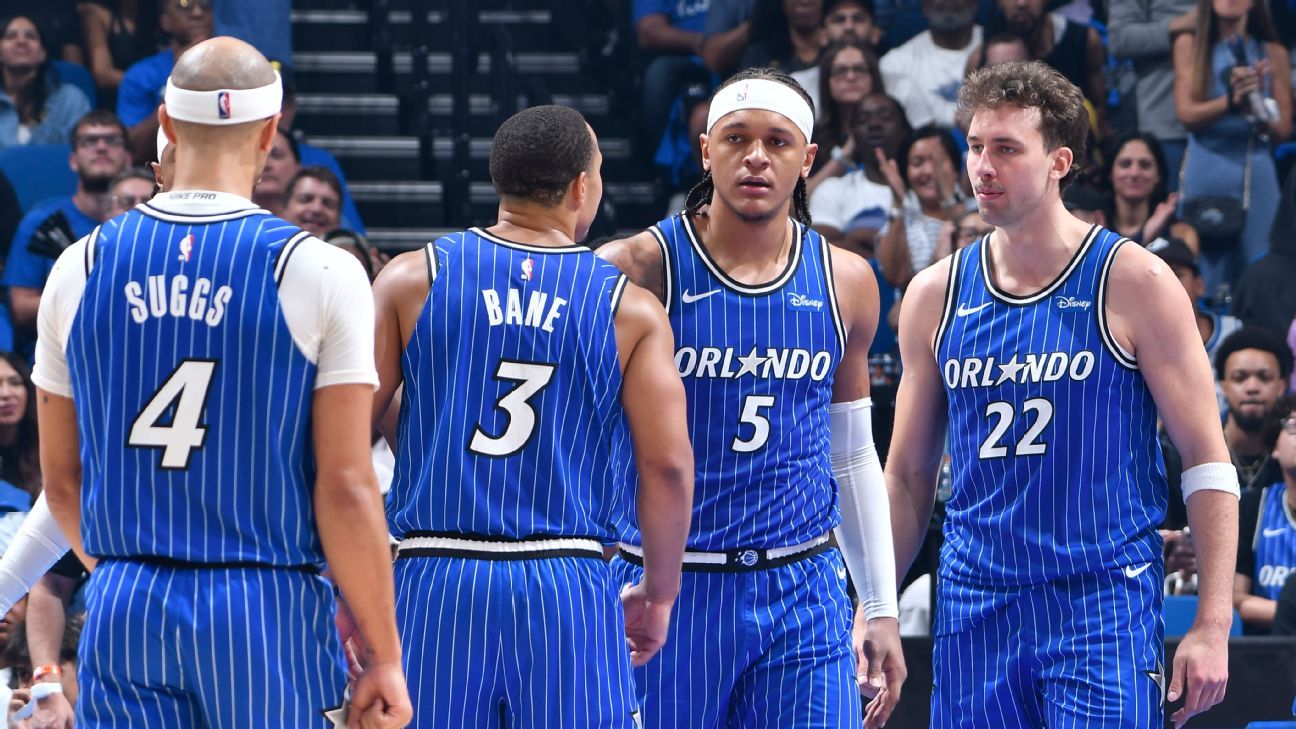
The Orlando Magic delivered a dominant 121-90 victory over the Charlotte Hornets in a do-or-die play-in game, securing t...
Phoenix Suns Deliver Crushing Blow to Warriors, Advance to Face Thunder
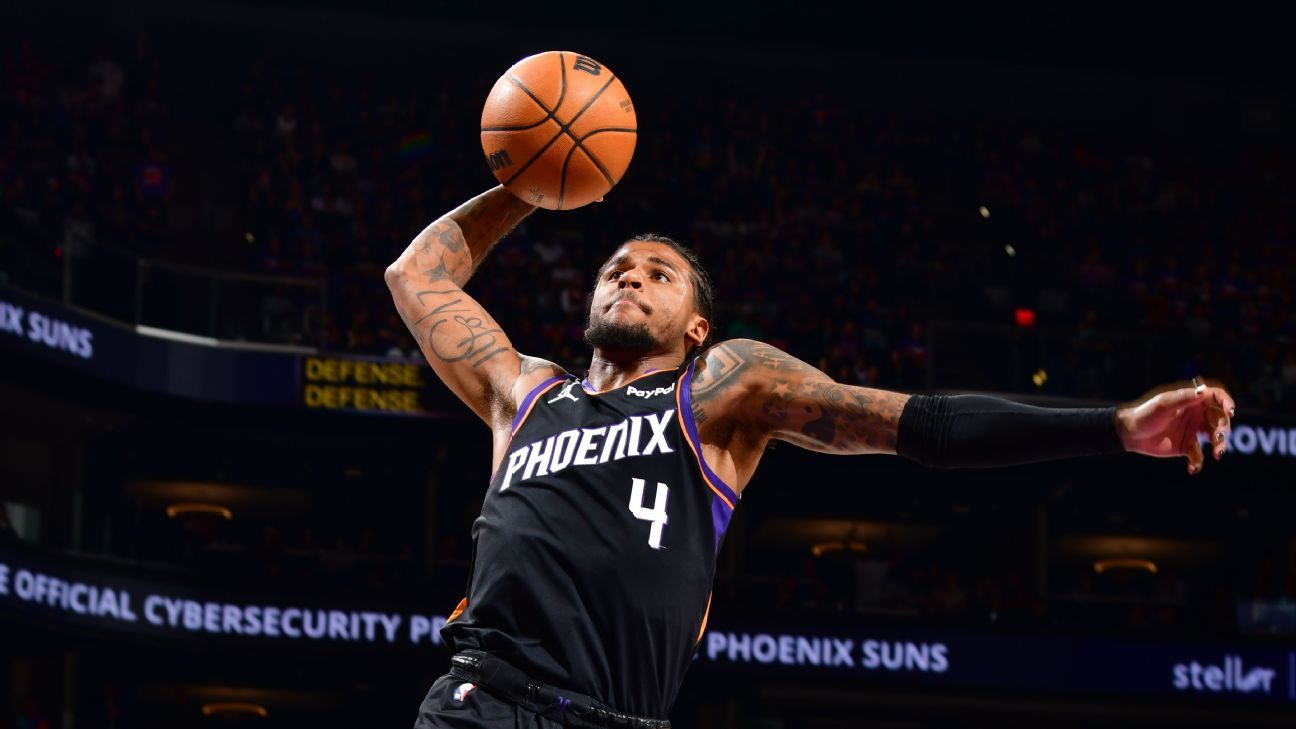
The Phoenix Suns decisively defeated the Golden State Warriors 111-96 in the NBA play-in tournament, securing the No. 8 ...
The Pitt's Controversial Season 2 Finale: Stars Confront Fan Backlash
The Season 2 finale of "The Pitt" leaves the future of Dr. Baran Al-Hashimi uncertain, highlighting a significant clash ...
Coachella Shocker: Sabrina Carpenter Unleashes Madonna Onstage!

Sabrina Carpenter's Coachella weekend two set made history with a surprise appearance from Madonna, who joined her for "...
Ye's Netherlands Concerts Cleared: Mayor Cites Law, No Ban

Ye's upcoming concerts in the Netherlands are set to proceed despite public and parliamentary pressure to ban him for pa...
Decoding Netflix's 'Beef' Finale: The Truth You Missed

Director Jake Schreier discusses the profound themes of cycles and relationships in Netflix's "Beef Season 2," featuring...
OpenAI Executive Exodus: Top Talent Departs as Company Sheds 'Side Quests'

OpenAI is undergoing a significant leadership shift with key architects Kevin Weil and Bill Peebles, along with CTO Srin...
AI Startup Cursor Eyes Staggering $50B Valuation Amid Enterprise Boom

AI coding startup Cursor is on the verge of securing over $2 billion in new funding, pushing its valuation to $50 billio...