Zambia's Presidential Race Heats Up as Hichilema and Mundubile Intensify Campaigns
Zambia's political landscape is abuzz with intense campaigning from presidential candidates Brian Mundubile and Hakainde Hichilema, ahead of the general elections. Mundubile campaigns on unity and economic promises while accusing Hichilema of tribalism, as Hichilema embarks on a nationwide tour. The electoral period is also marked by controversies, including a phone theft, an alleged officer's misconduct, EU observer mission scrutiny, and unverified allegations about burial plans and political strategies.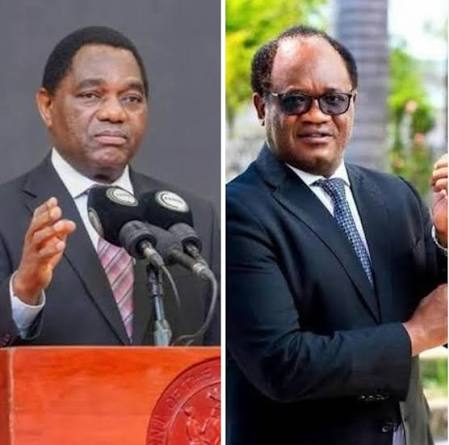
Zambia’s presidential campaign is intensifying ahead of the general election scheduled for 13 August 2026, with President Hakainde Hichilema seeking a second term against a field of opposition candidates.
The race is increasingly being framed as a test of Hichilema’s economic record and public frustration over the cost of living.
A assessment of Zambia’s election identified opposition leader Brian Mundubile as one of the most significant challengers to the incumbent president.
Mundubile Targets Cost-of-Living Concerns
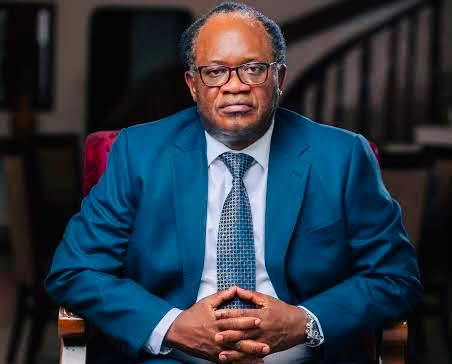
Mundubile has focused his campaign on household hardship, agriculture, national unity and dissatisfaction with the ruling United Party for National Development.
At campaign events, he has accused the government of failing to deliver fully on earlier promises involving farming inputs, food prices and economic opportunities.
He has also pledged to strengthen agricultural support, expand educational assistance and confront tribal divisions if elected.
However, claims emerging from unnamed alliance sources about proposed appointments, future presidential arrangements and the private intentions of former President Edgar Lungu’s family should not be presented as established facts without direct confirmation.
Hichilema Defends His Record
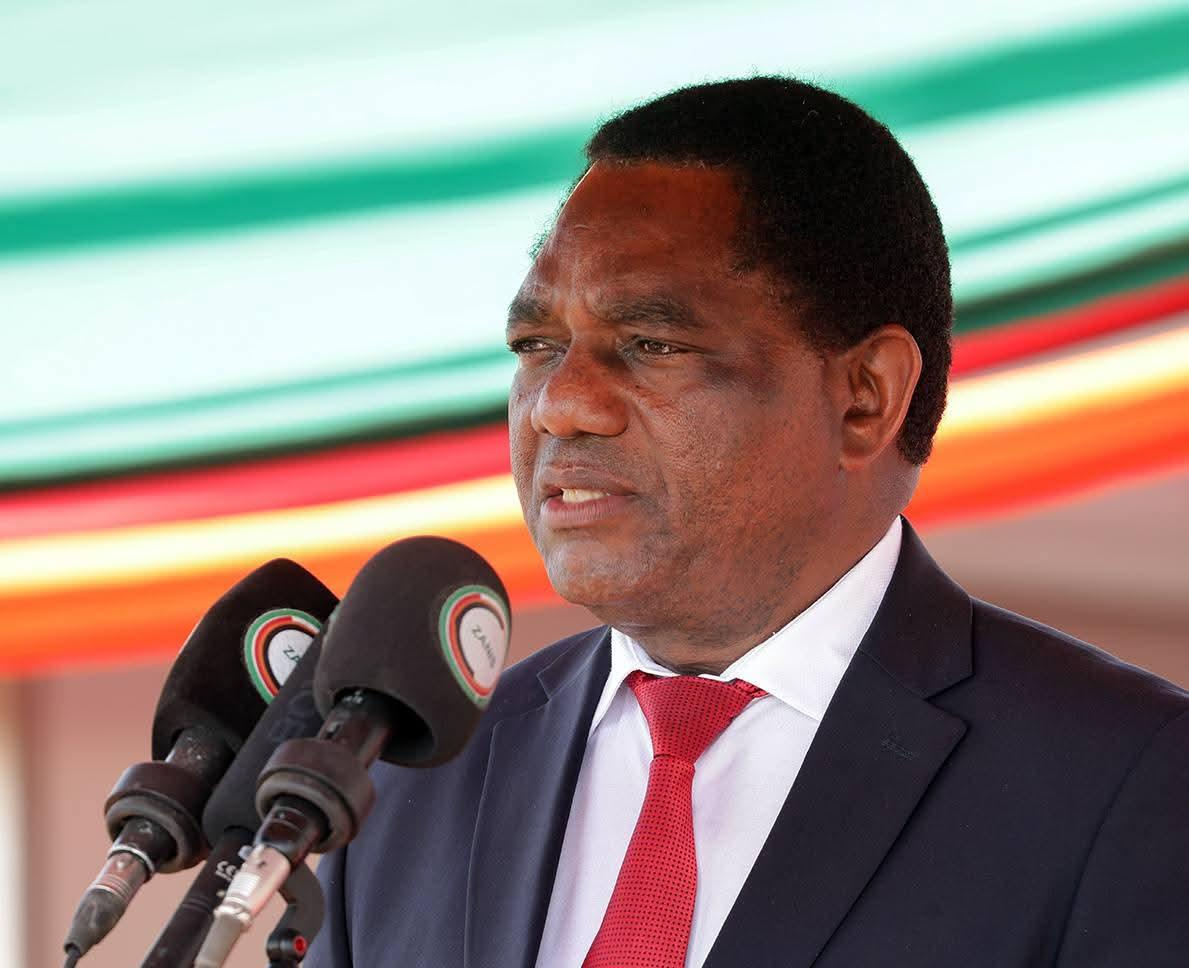
Hichilema officially launched his re-election campaign in Lusaka in June, presenting peace, unity and development as major themes of his bid for another five-year term.
The official campaign launch statement said the president would seek to build on his administration’s economic and development programmes.
His government points to Zambia’s economic recovery, falling inflation and progress in restructuring the country’s debt.
Opposition parties argue that improvements in national economic indicators have not sufficiently reduced the pressure facing ordinary households.
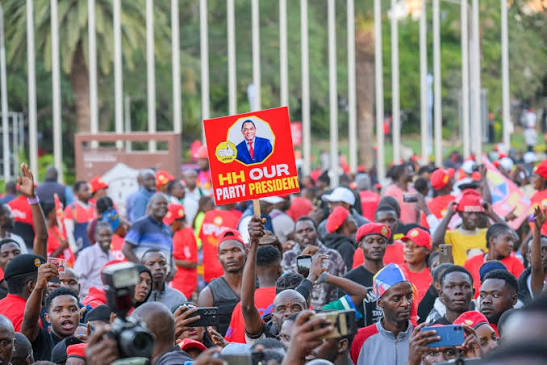
EU Observers Monitor the Election
The European Union has deployed an Election Observation Mission to assess the electoral process, including the legal framework, campaign environment, media coverage and preparations by election authorities.
The EU Election Observation Mission confirmed that voting is scheduled for 13 August and said its assessment would be independent and impartial.
Reports about candidate withdrawals and alleged election interference should be treated cautiously until they are addressed by the Electoral Commission of Zambia, the police or election observers.
Similarly, online polls circulating during the campaign are not scientifically representative of Zambia’s electorate and should not be interpreted as reliable predictions.
The official outcome will be determined by ballots cast on election day and announced through Zambia’s legally established electoral process.