Your Makeup Routine Is a Colonial Inheritance (Yes, Really)
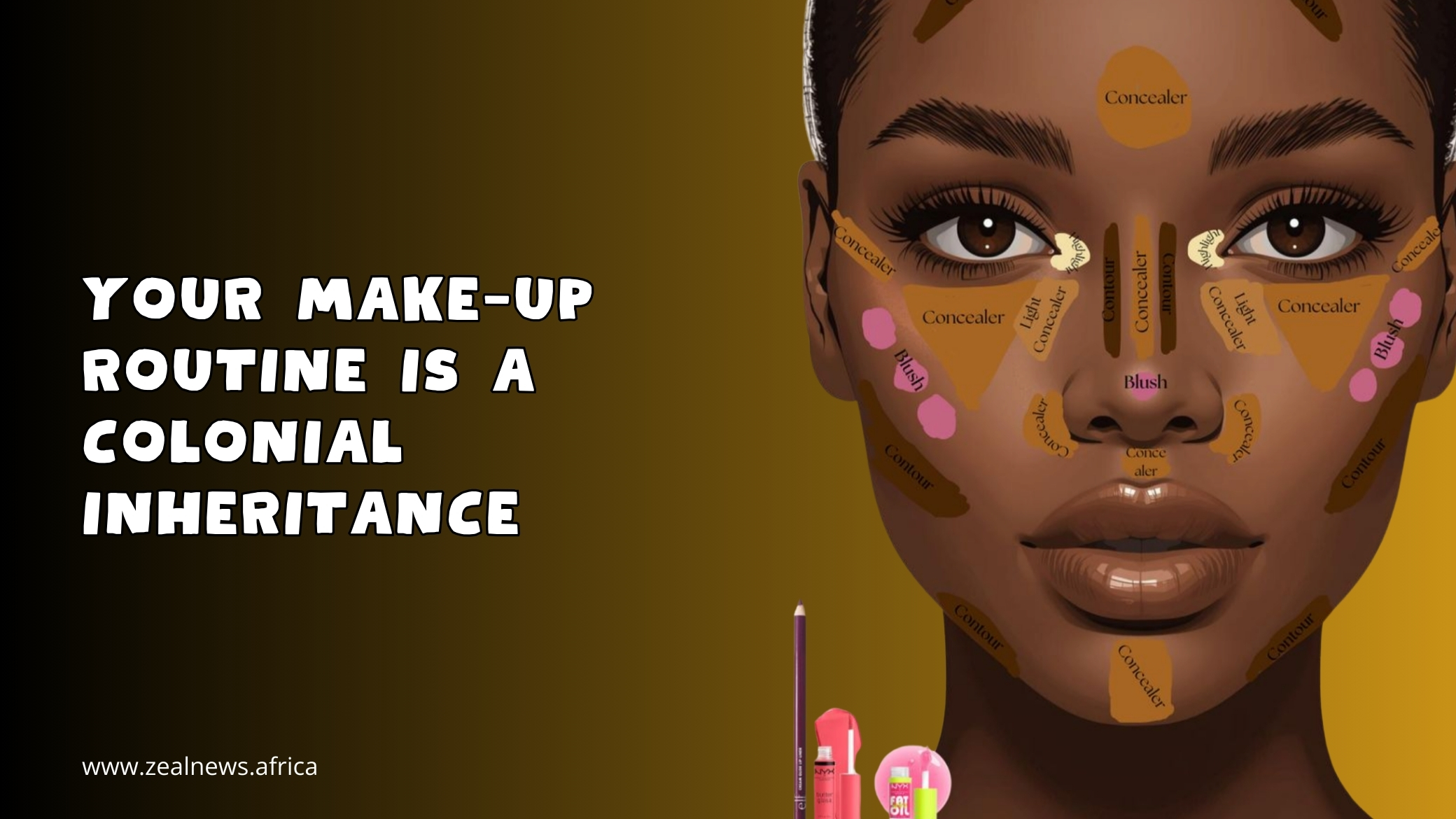
Long before modern beauty trends, African women had rich, intentional makeup traditions rooted in culture and function. This piece explores how colonisation reshaped beauty standards—and how they’re being reclaimed today.
This shouldn't come as a shock to you if you are deep into culture, tribe and heritage preservation. But if it did, well, that is what I am here for.
Now, don't get me wrong, I love a flawless face beat. I love seeing women, especially African women, in makeup routines that elevate their facial features.
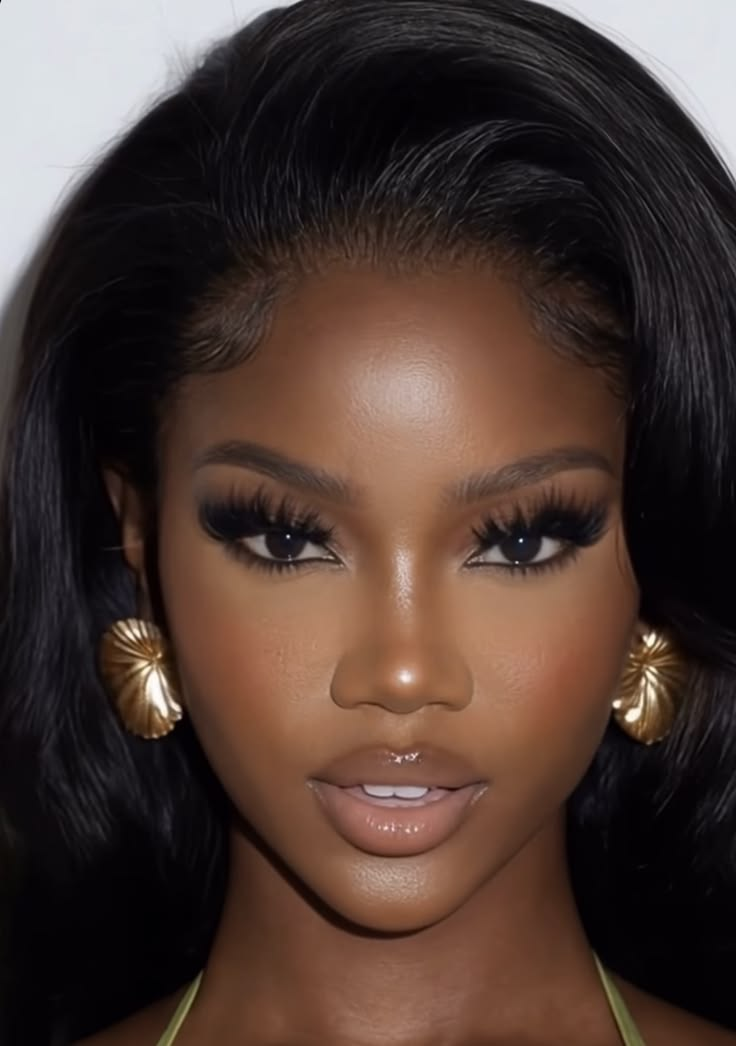
But have we actually sat down to think about how women centuries ago did their makeup, what constituted it and what physical adornments they considered beautiful?
Because African women were definitely not walking around bare-faced waiting for the white civilisation to hand them a beauty standard. They had one. A rich, intentional, deeply layered one.
Long before a Eurocentric beauty industry decided what "full coverage foundation" should look like, African women were grinding ochre into paste, mixing it with animal fat and wearing it like a second skin.
Before there was a contour palette, there was intention. Before there was a beauty influencer telling you which features to highlight, your ancestors already knew.
Ochre, Kohl and Shea — The Original Makeup Bag
Let's start at the very beginning.
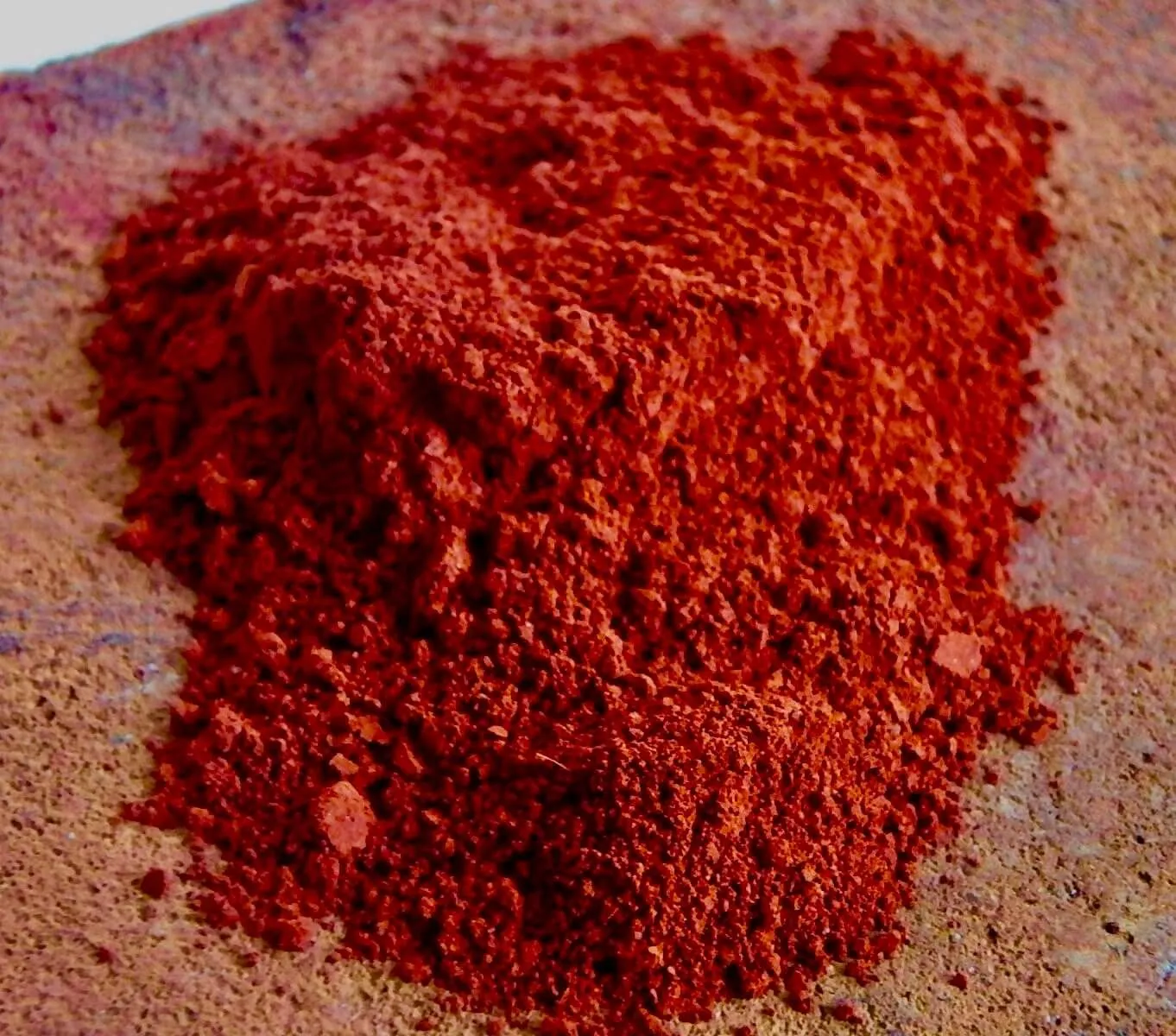
Archaeological evidence from Blombos Cave in South Africa suggests thatred ochre, an iron-rich clay with a deep reddish pigment, was being processed and used cosmetically over 100,000 years ago. Read that again, one hundred thousand years.
So when people act like African beauty is somehow behind or late to the game, you can remind them that we literally invented the game.
Ochre was mixed with fat or plant oils and applied to the skin. It moisturised, protected against the sun, kept insects away and communicated social status all at once.
The Himba women of Namibia still use a version of this today called otjize, a paste of ochre and butterfat that gives their skin that stunning deep reddish tone.
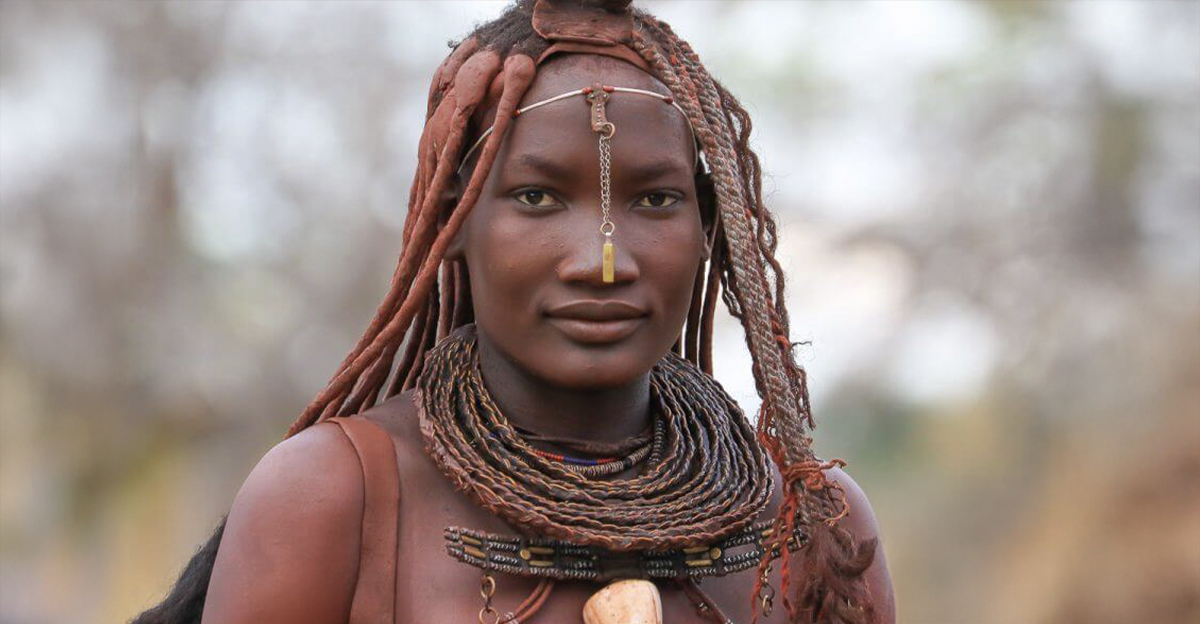
It is skincare, sunscreen and statement all in one. No thirty-step routine needed.
Then there was kohl. Long before your favourite eyeliner pencil existed, women across North and West Africa were lining their eyes with kohl made from galena, soot or crushed antimony.
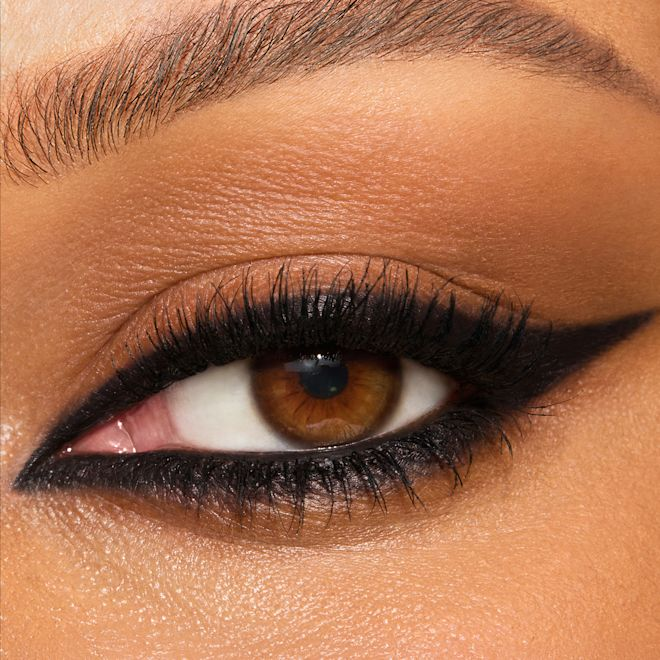
It was not just beauty — it reduced sun glare, protected the eyes from dust and was believed to ward off evil.
Shea butter was the base for almost everything in West and Central Africa, infused with plant pigments, bark and spice for different effects.
Hennawas used across North and West Africa, especially for ceremonies, with patterns that carried specific meaning about who a woman was, where she came from and what she was stepping into.
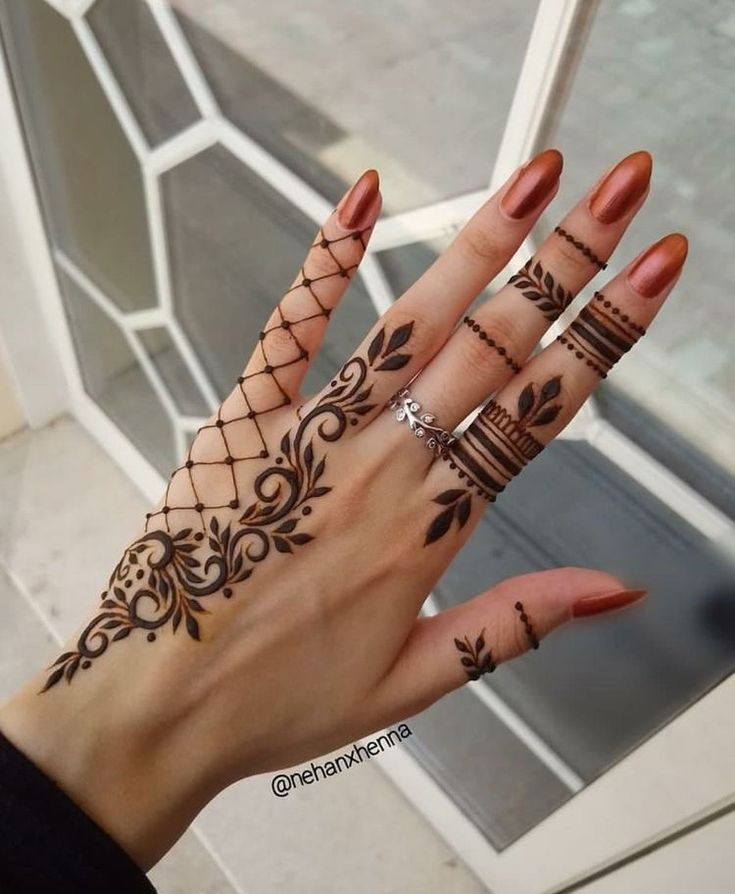
Beauty was a language.
Then Colonisation Happened
When European colonisation took hold across the continent, it did not just disrupt land, governance and religion. It disrupted how African women saw themselves.

Colonial thinking introduced a very specific and very narrow idea of beauty — lighter skin, sharper features, straighter hair — and spent decades embedding it into media, institutions and culture.
The beauty industry that emerged globally was built almost entirely around European women. Foundations had three shades of beige.
Advertising told darker-skinned women that their skin was a problem to be fixed. And one of the most devastating consequences of this — one we are still living with today — is the skin bleaching industry.
Across West, East and Southern Africa, skin lightening products remain a multi-billion dollar market, driven by a deep and painful association between lighter skin and beauty, success and worth.
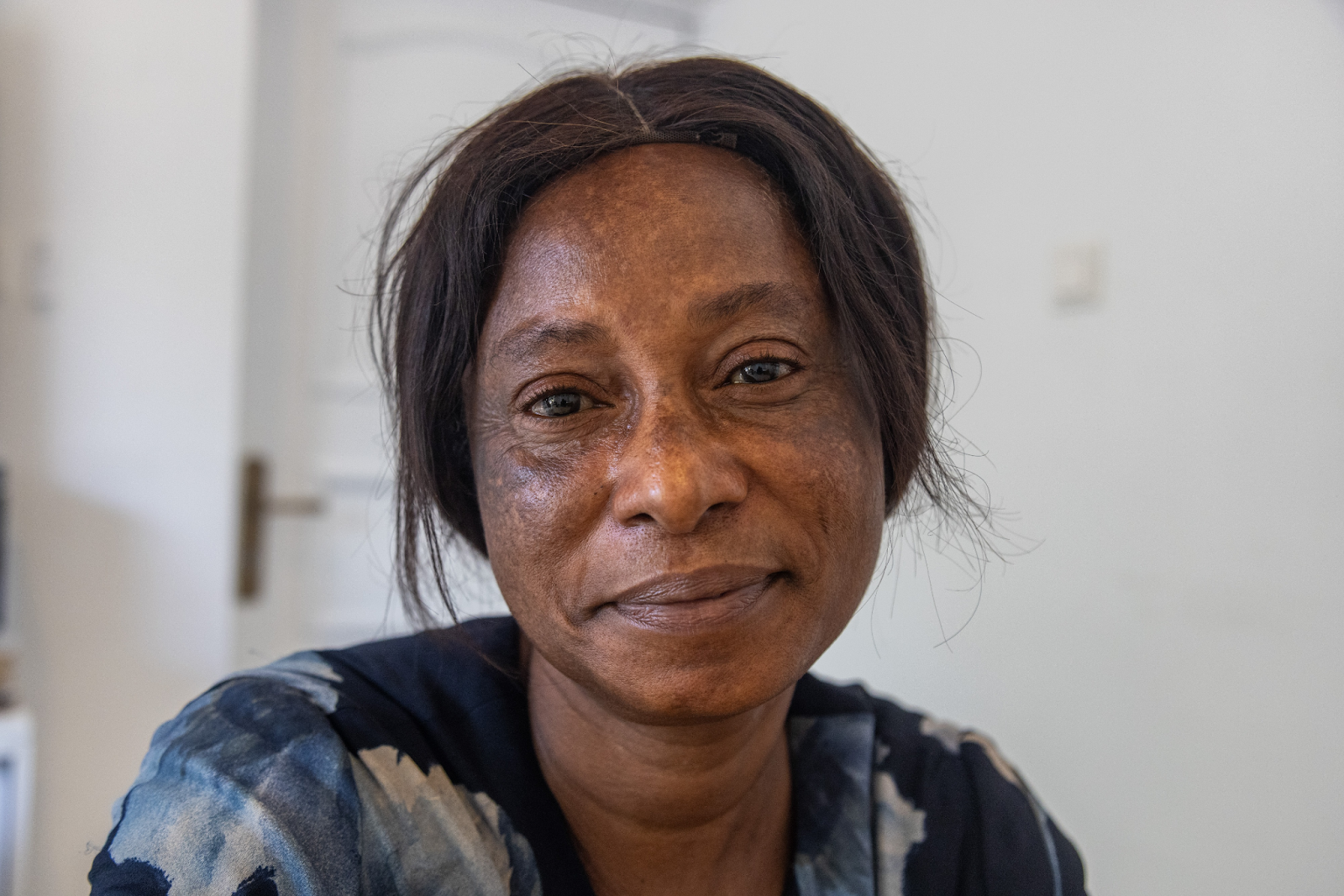
That is not a preference that developed in a vacuum. That is colonisation doing its job, long after the colonisers left.
Where We Are Now
The good news is that the conversation is shifting. The natural hair movement cracked something open.
Fenty Beauty launching 40 foundation shades in 2017 forced the entire industry to reckon with what it had been ignoring.
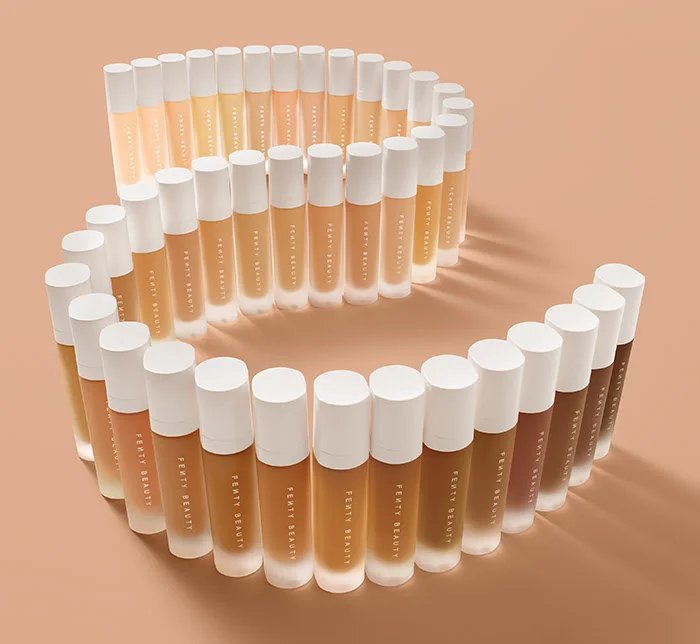
African-owned beauty brands — Zaron in Nigeria, various South African lines — are building products specifically for us, by us.
African makeup artists on social media are incorporating traditional aesthetics into modern looks, blending ochre-toned pigments, bold graphic liner and rich earth tones that feel ancestral even when they are contemporary.
But the deeper work is not just about shade ranges. It is about unlearning.
It is about sitting with the question of why certain features feel like they need to be minimised, why darker skin still gets called "difficult" to work with, and why we know more about French beauty history than our own.
Your ancestors beat their faces with purpose, with meaning and with a beauty standard that centred them completely. You are allowed to carry that forward.