Your DNA Might Be Getting Damaged Because of Your Nail Appointments
That UV lamp at your nail salon may be doing more than curing your gel polish. Here is what research says about DNA damage, premature skin ageing and how to protect yourself without giving up your manicure.
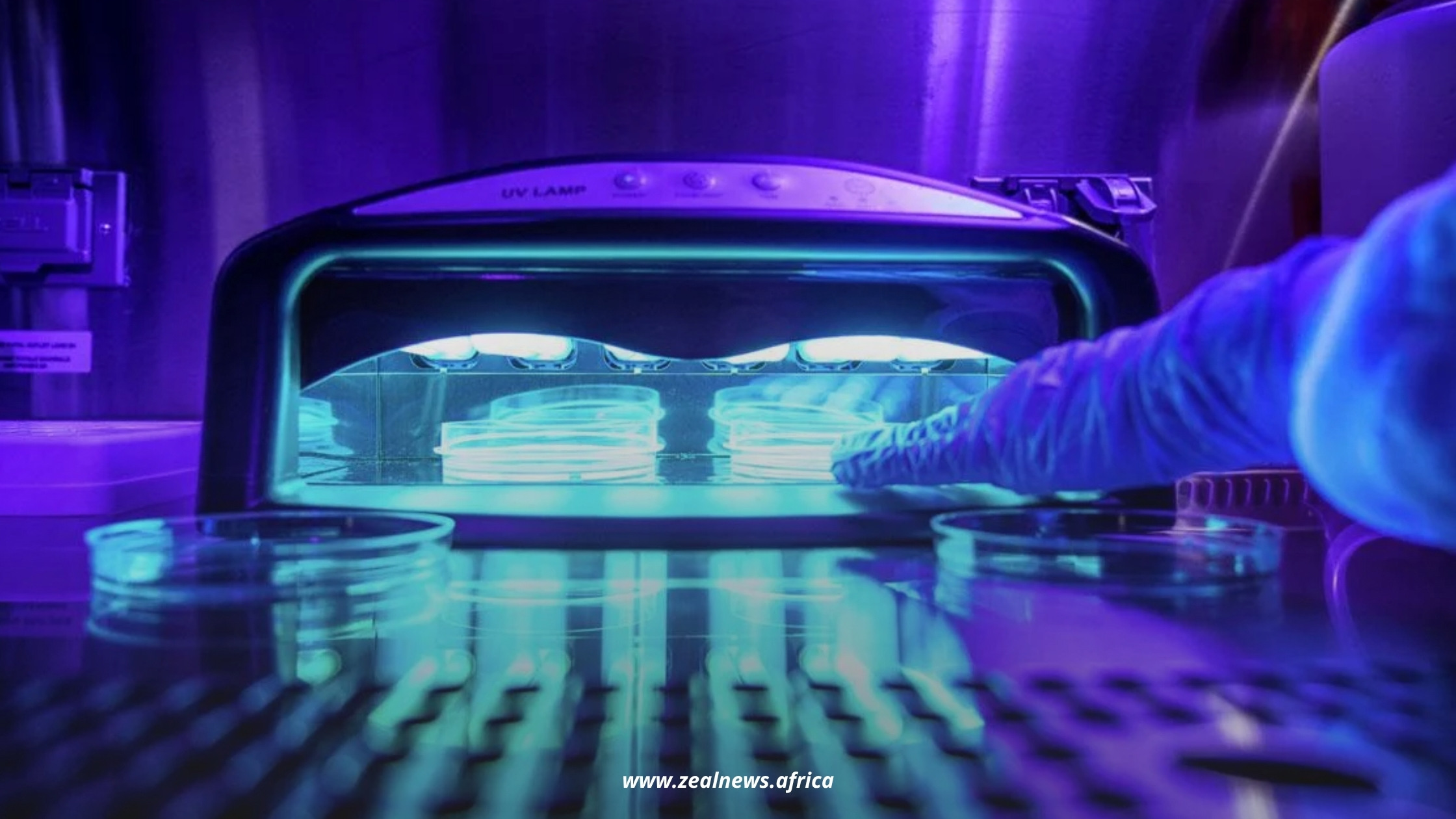
For a lot of women, looking put together starts at the fingertips. A fresh set, whether it is a classic French tip, a plain burgundy set, or something even more intricate and Pinterest-worthy, has become less of a treat and more of a standing appointment. It has become essential to the beauty routine as a wash day or a skincare restock.
Nail appointments are booked the way therapy sessions are, largely depending on the individual’s beauty maintenance schedule. It could be every two weeks, three weeks or monthly.
But while you are sitting under that small UV lamp waiting for your gel to cure, something is happening at a cellular level that almost no one thinks to ask about.
What UV Nail Lamps Actually Do to Your Skin
The lamps used in nail salons and in the at-home gel kits that became popular during the pandemic, emit ultraviolet A (UVA) radiation to cure gel polish and shellac. UVA rays are the same type of radiation associated with premature skin ageing and DNA damage from sun exposure.
The key difference with nail lamps is that the wavelengths are concentrated, the source is close and your hands are placed directly underneath it.
A 2023 study published in Nature Communications by researchers at UC San Diego looked directly at what these lamps do to human cells and the results were significant. UV nail lamp exposure caused mitochondrial and DNA damage in human cells, alongside mutations consistent with those found in the early stages of skin cancer.
This study was peer-reviewed and methodologically rigorous, and it prompted serious conversation among dermatologists about a habit most of their patients had always considered completely harmless.
The DNA Damage Numbers Are Hard to Dismiss
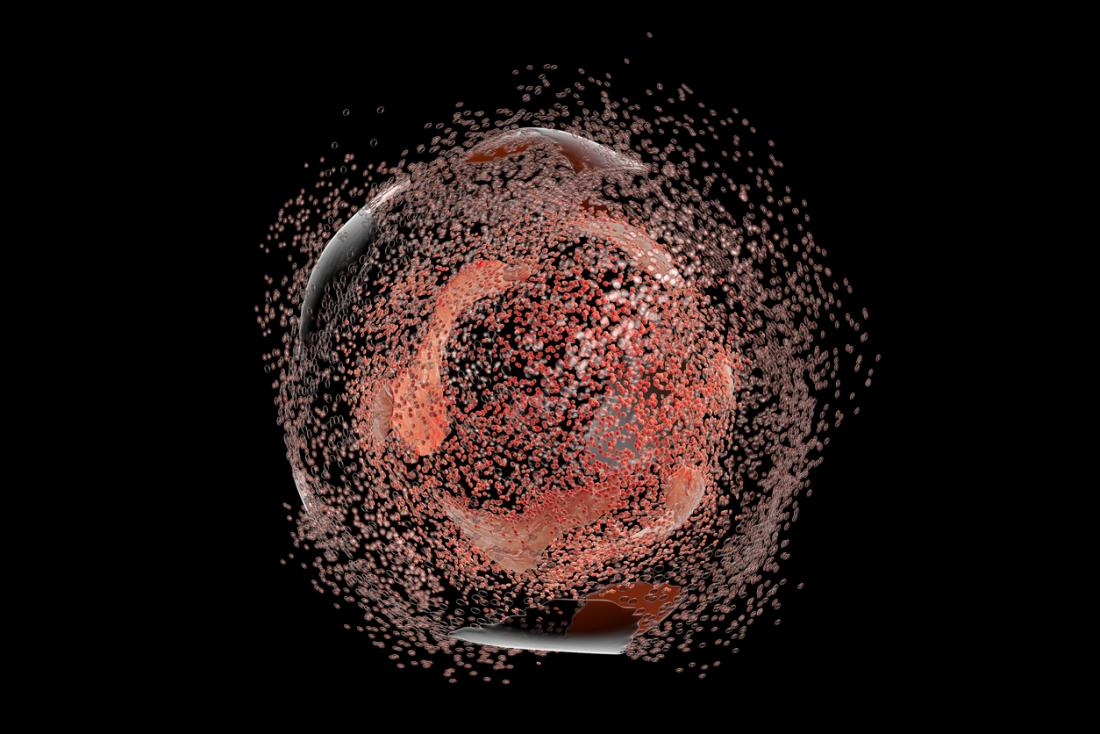
Vitro research (studies conducted on human cells in controlled laboratory settings) has produced some specific figures that are very concerning. A single 20-minute session under a UV nail lampcan cause 20 to 30% cell death in exposed tissue.
After three sessions, that figure rises to between 65 and 70%. The mutations observed are consistent with carcinogenesis which is the process by which normal cells begin shifting toward becoming cancerous.
Many experts are careful to note that the real-world risk per occasional use is considered low but the key word here is occasional.
If you are getting your nails done every one to two weeks, you are already in a cumulative territory and the long-term effects of that kind of repeated exposure haven't been fully quantified in human studies yet. That gap in the research should scare you.
UV Nail Lamp Side Effects Beyond DNA Damage
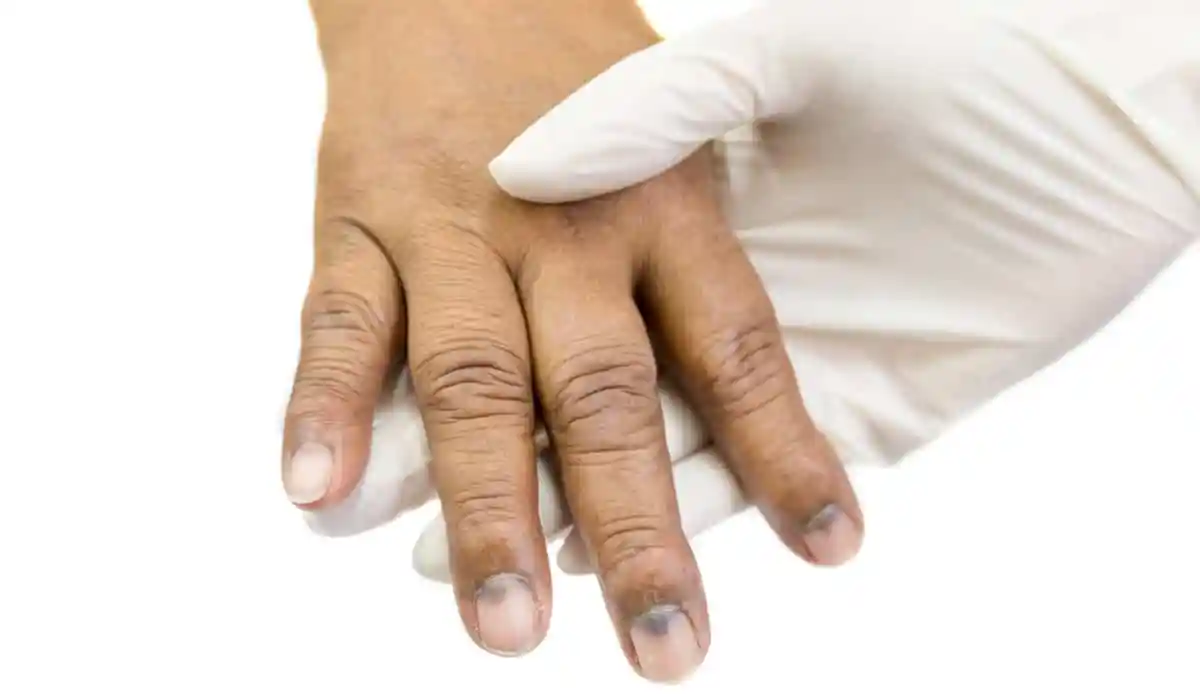
DNA damage gets the most attention, but it isn't the only effect of regular UV nail lamp exposure. Frequent UVA exposure to the hands accelerates photoageing with the visible skin damage showing up as thinning, dark spots and fine lines.
Research published in the Journal of the American Academy of Dermatology has linked chronic UVA exposure to collagen degradation in skin tissue, which means your gel manicure routine may be quietly ageing your hands faster than the rest of your body.
There is also the matter of eye safety which is a concern that rarely comes up in the salon chair. Most people don't protect their eyes during curing, and while the lamp is directed at the hands, scattered UVA radiation reaches the face and eyes repeatedly over time.
A 2013 study in JAMA Dermatology found that UV nail lamps emit radiation at wavelengths comparable to tanning beds, even if individual session times are shorter. Regularity changes the calculation entirely.
How to Reduce UV Nail Lamp Exposure Without Giving Up Gel
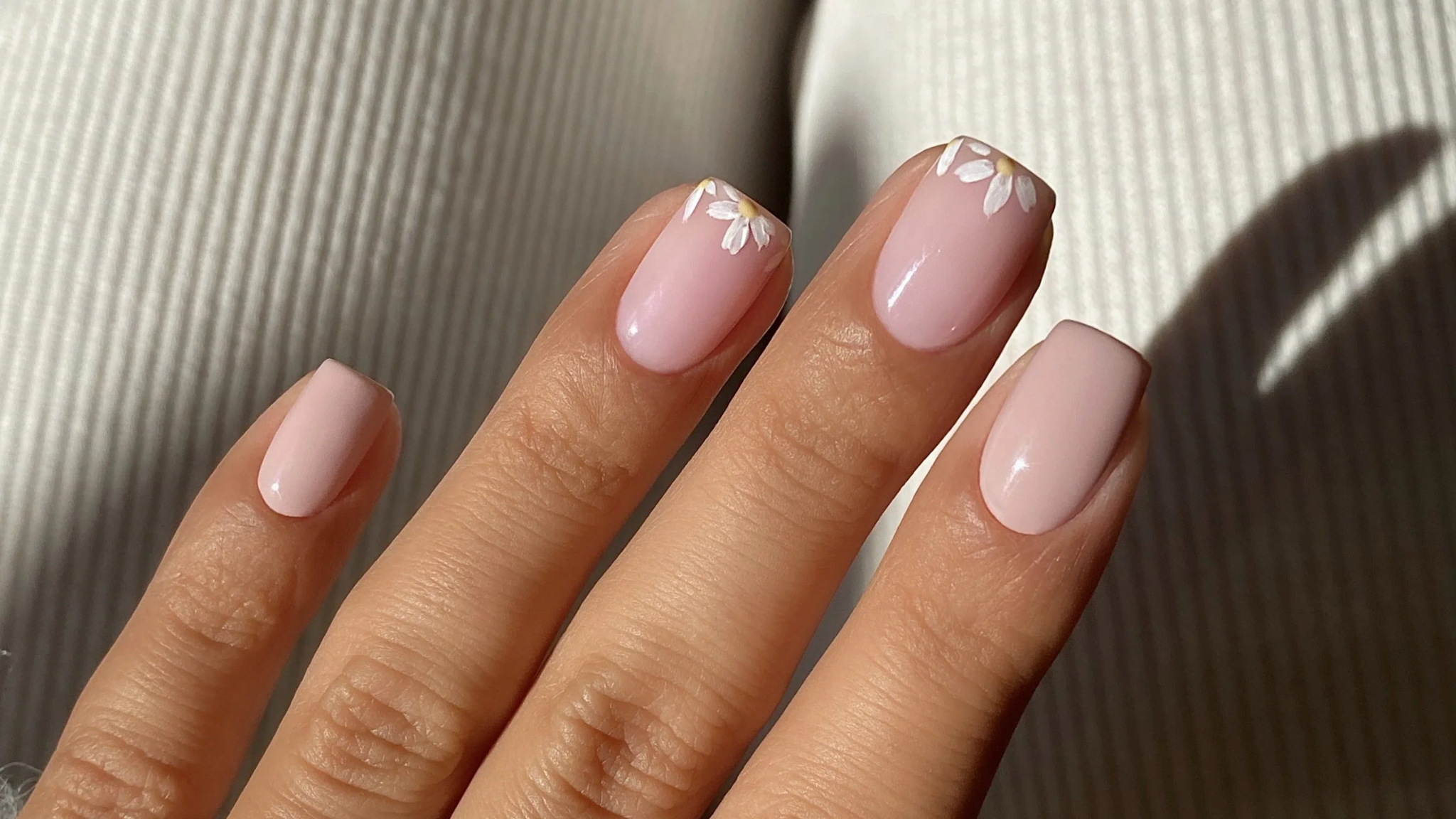
None of this means you have to quit gel manicures. It means adjusting the conditions under which you get them.
Wear UV-protective gloves. Fingerless UV-blocking gloves are inexpensive and widely available in pharmacies. They cover the back of the hand, where exposure is highest during curing, while keeping the nails fully accessible. Dermatologists have increasingly started recommending these as a standard precaution for regular salon clients.
Apply broad-spectrum SPF before your appointment. SPF 30 or higher on the back of your hands creates a meaningful barrier against UVA penetration. It won't eliminate exposure, but it reduces it and it adds nothing to your appointment time.
Minimise time under the lamp. Ask your nail technician to use the shortest effective curing time. Many contemporary gel formulas cure in 30 to 60 seconds. Sitting under the lamp beyond what is necessary is a risk with no payoff.

Consider LED lamps over traditional UV. LED nail lamps emit a narrower wavelength range and cure faster, which reduces total radiation exposure per session. They still emit some UVA, but the difference compared to traditional lamps is meaningful and documented.
Space out your appointments. Extending from every week to every two or three weeks directly reduces cumulative exposure which is where, based on the available evidence, most of the risk actually lives.
Your nails can still look exactly the way you want them to. But this is information that exists, and knowing it means your beauty routine gets to be an informed choice rather than a passive one.