You Lose Up to 2 Centimetres Every Day and Get It Back Overnight
Did you know you can lose up to 2 centimetres in height during the day and regain it overnight? Discover the science behind spinal disc compression and rehydration.
Stand next to a wall in the morning and mark your height. Do it again before bed. Chances are you have shrunk, temporarily. This is one of those quiet facts about the human body that sounds like a crazy myth until you check the research, and it turns out scientists have been measuring it with stadiometers and MRI scanners for decades.
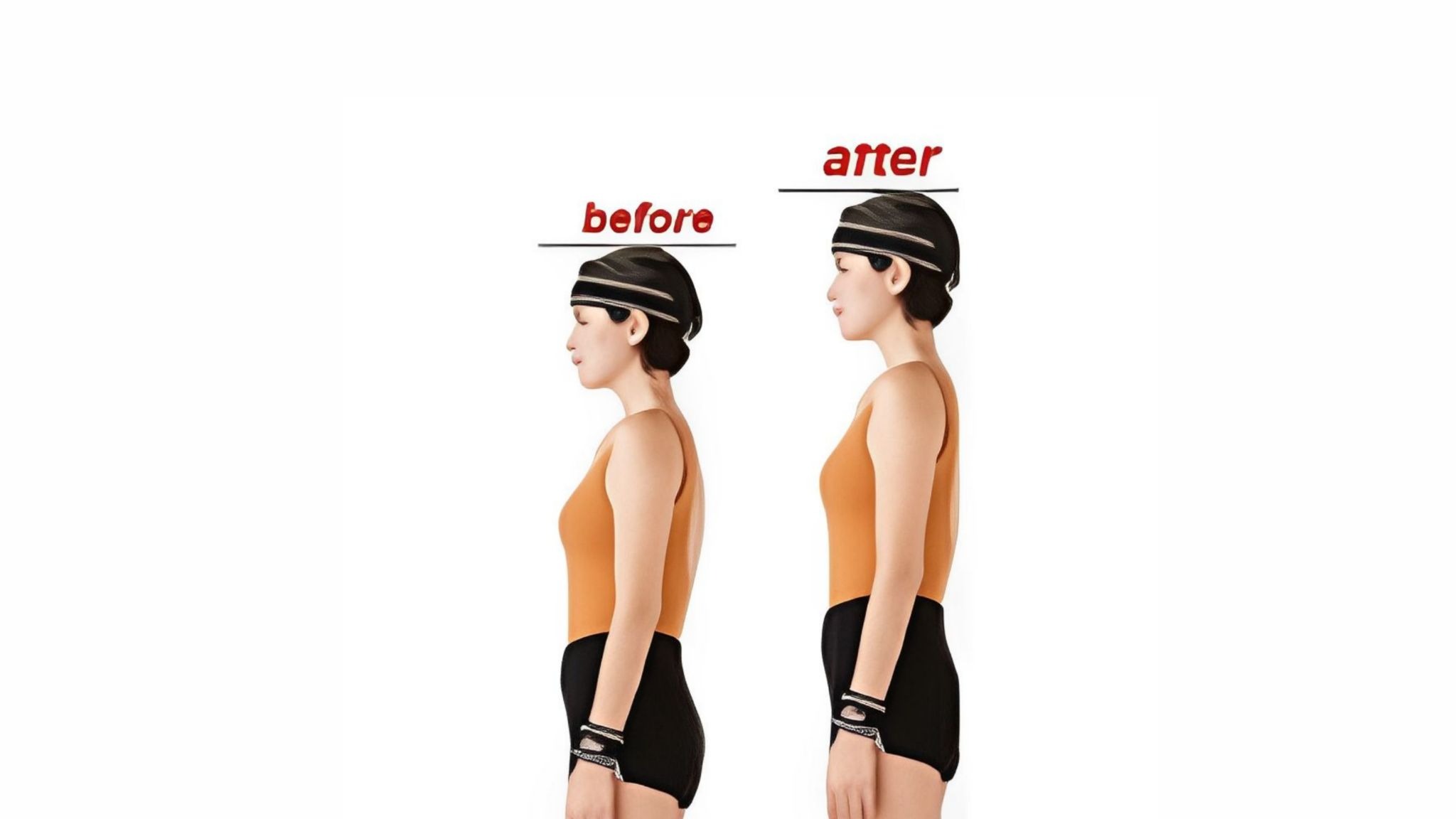
Why Height Loss During The Day Is Completely Normal
The spine is not a rigid pole. It is a stack of vertebrae separated by intervertebral discs and each disc behaves like a fluid-filled cushion. Gravity, walking, sitting and standing all press down on these discs throughout the day, squeezing fluid out of them the same way a sponge loses water when you sit on it.
Peer-reviewed stadiometry studies have recorded height loss of roughly 19 millimetres between waking and evening, which works out to about one percent of total stature. In taller individuals or people who spend long hours on their feet, that figure can creep close to two centimetres.
This is not potential damage but the disc doing its job.
The Science Behind Spinal Disc Compression
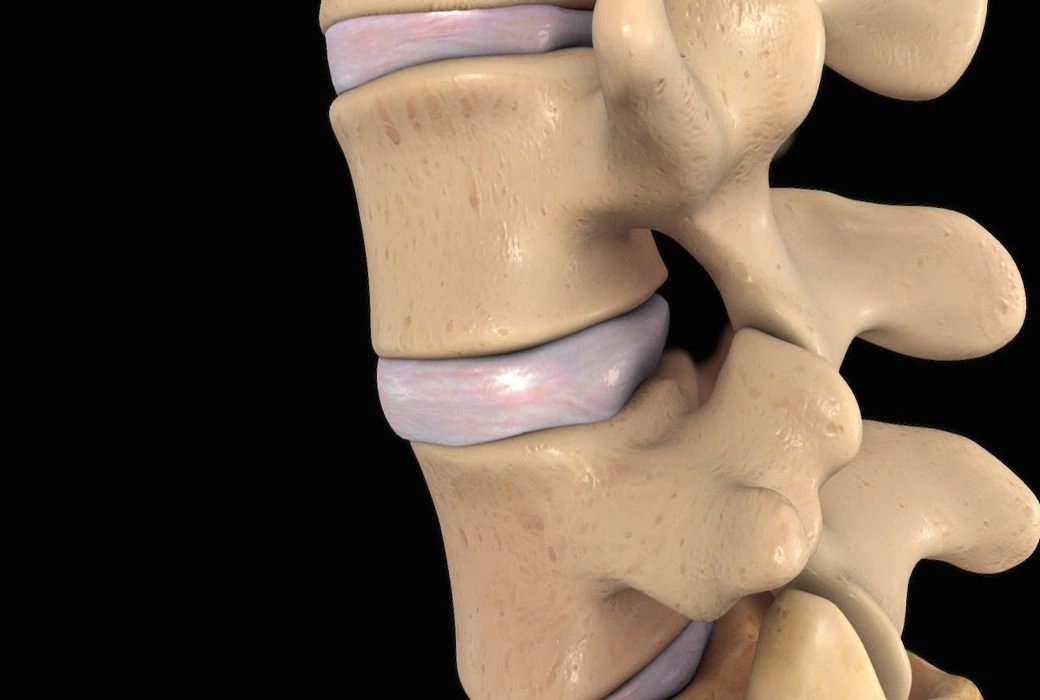
Each intervertebral disc has two main parts. The outer ring, called the annulus fibrosus, is tough and fibrous. The inner core, the nucleus pulposus, is a gel-like structure made mostly of water bound to proteoglycans.
When you are upright, compressive load pushes water molecules out of the nucleus pulposus and into surrounding tissue.
MRI research using T2 relaxation mapping has confirmed this directly, showing measurable drops in water content within the disc after a full day of normal activity compared to first thing in the morning.
Researchers scanning the lumbar spine found the distance between the L1 and S1 vertebrae shrinks by roughly two percent after a day of typical movement, a change large enough to show up clearly on imaging.
Why The Body Bounces Back Overnight
It gets quite intriguing. Discs might be likened to sponges but they are not passive ones. They rely on osmotic pressure, a chemical property created by the proteoglycans packed inside the nucleus pulposus.
These molecules attract water with real force. When you lie down at night, spinal compression drops dramatically and that osmotic pull takes over, drawing fluid back into the disc from nearby blood vessels in the vertebral body.
Studies using magnetic resonance imaging after overnight bed rest recorded an average increase in lumbar disc volume of around ten percent, restoring most or all of the height lost during the day.
This is why people are reliably taller when they wake up and shorter by the time they go to sleep and it is a pattern strong enough that orthopaedic researchers treat it as a standard rather than an occasional happening.
What This Means For Spinal Health And Posture
Diurnal disc height changes affect spinal flexibility, the pressure inside the disc itself and how much load the small facet joints at the back of the spine have to absorb.
Research using finite element spine models found that discs are around ten percent shorter by evening and that this shift makes the spine less flexible while increasing force on the facet joints.
That is part of why lower back stiffness often feels worse later in the day, especially after long periods of sitting or standing. It also explains why physiotherapists frequently recommend measuring height or assessing flexibility in the morning before the day's compressive load has taken its toll.

Protecting Your Spine Through The Daily Cycle
Understanding disc hydration and spinal decompression has practical value for anyone who spends long hours at a desk or on their feet. Staying hydrated supports the water content discs need to function properly.
Regular movement breaks reduce sustained compressive load and this is gentler on disc tissue than long unbroken stretches of sitting. Sleeping in a position that allows the spine to fully unload, ideally lying flat rather than curled under pressure, gives the nucleus pulposus the best chance to reabsorb fluid overnight.
None of this reverses natural aging or degenerative disc disease, which involves a slower, non-reversible loss of disc height over years. However, the daily cycle of losing and regaining a centimetre or two is a completely different process, driven by fluid mechanics rather than damage.
So the next time someone tells you they feel taller in the morning, they are not imagining it. Their spine has spent the night quietly rehydrating, ready for gravity to start the cycle all over again.

It is a small, invisible piece of biology playing out inside every one of us.