Xenophobia Crisis Ignites Regional Outrage & Urgent Evacuation of Ghanaians from South Africa
Ghana is actively evacuating citizens from South Africa amidst xenophobic violence, a move commended by MP Samuel Jinapor who also urged continental action and cautioned against retaliation. While evacuees like Grace Asempa find relief, civil society leaders warn against retaliatory acts and link the crisis to national resource management debates, particularly concerning Gold Fields' mining lease.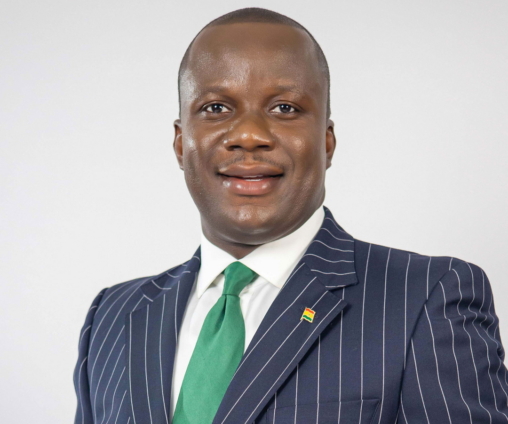
The Ghanaian government has initiated comprehensive efforts to evacuate its citizens from South Africa amidst escalating unrest and recurring xenophobic attacks targeting foreign nationals. These repatriation operations have seen the arrival of an initial batch of approximately 300 evacuees, with assurances from officials that efforts will continue until all affected citizens who wish to return are safely brought home.
Samuel Abdulai Jinapor, the Member of Parliament for Damongo and Ranking Member on Parliament’s Foreign Affairs Committee, has publicly commended the government's evacuation efforts. Speaking on JoyNews' Newsfile, Mr. Jinapor acknowledged that while there were initial "hiccups" that caused anxiety among some stakeholders, the overall operation reflects Ghana's strong historical record of responding to citizens during international crises, citing past evacuations from Sierra Leone, Liberia, and Ukraine. He emphasized the importance of maintaining this standard of national responsibility.
Beyond commending the evacuation, Mr. Jinapor called for stronger continental action against the persistent xenophobic violence in South Africa. He urged African leaders to consider escalating the matter to the African Union, potentially discussing sanctions or other measures to compel South African authorities to take more decisive action against those responsible for the attacks. He condemned the violence unequivocally, stressing that South African authorities must "crack down on this very unfortunate conduct."
Mr. Jinapor further challenged simplistic explanations that attribute xenophobic attacks solely to unemployment and economic hardship. While acknowledging these pressures, he argued that the issue is more complex, reflecting a "problematic" body politic in South Africa and raising legitimate concerns about "constructive complicity from the government of the day." Crucially, he cautioned strongly against retaliatory actions targeting South Africans living in Ghana or elsewhere on the continent. He warned that such indiscriminate responses, though fueled by understandable anger, would only worsen the volatile situation, instigate further hostility, and undermine the principles of African unity.
The human impact of these events was highlighted by Grace Asempa, a Ghanaian evacuee who recently returned from South Africa after 18 years. Interviewed on JoyNews' Newsfile, Ms. Asempa expressed profound relief and a renewed sense of "freedom" upon her arrival in Accra. She recounted traumatic experiences, including her hairdressing salon and home in East London being targeted by armed robbers, an incident that left her deeply affected. Despite raising part of her family there, her return marked the end of a challenging chapter.
Echoing the call for restraint, Ernesto Yeboah, Leader of the Economic Fighters League (EFL), also cautioned Ghanaians against any retaliatory action targeting South African businesses or citizens in Ghana. On Joy FM's Ghana Connect, Mr. Yeboah stressed that Ghana must respond as a "civilised nation" guided by reason, not emotion. He warned that attacks on South African-owned businesses like MTN and DStv would significantly damage Ghana's international reputation and called for the Ghana Police Service to take firm action against any perpetrators. Mr. Yeboah also firmly rejected any attempt to link the ongoing debate over the renewal of Gold Fields’ mining lease in Ghana to the xenophobic incidents, asserting that the EFL's longstanding position for nationalization is based on Ghana's long-term national interest, predating the current tensions.
Similarly, Rashid Ibrahim Esq., President of the National Union of Ghana Students (NUGS), issued a strong warning of sustained student-led action if the government proceeds with the renewal of Gold Fields’ mining lease at Tarkwa. He explicitly linked the decision to the xenophobic attacks, arguing that national resources should prioritize Ghana’s long-term interests and local participation, and citing Article 257 of the 1992 Constitution. Mr. Ibrahim criticized Gold Fields' "deafening silence" on the attacks, questioning the company's priorities. He affirmed that NUGS is prepared to mobilize for "sustained democratic action" to resist any decision that disregards the voice of the people and fails to ensure Ghana's resources benefit Ghanaians first.