World Breastfeeding Week: 10 Things Every Woman Should Know Before Having Her First Child
For World Breastfeeding Week, discover 10 important breastfeeding realities every first-time mother should know—from cracked nipples and mastitis to cluster feeding, breast engorgement, and postpartum emotional changes.

Breastfeeding is often sold to first-time mothers as instinctive and pain-free, but it is neither. For World Breastfeeding Week, here are ten realities about postpartum breastfeeding that women rarely hear until they are living through them and that many downplay even while struggling.
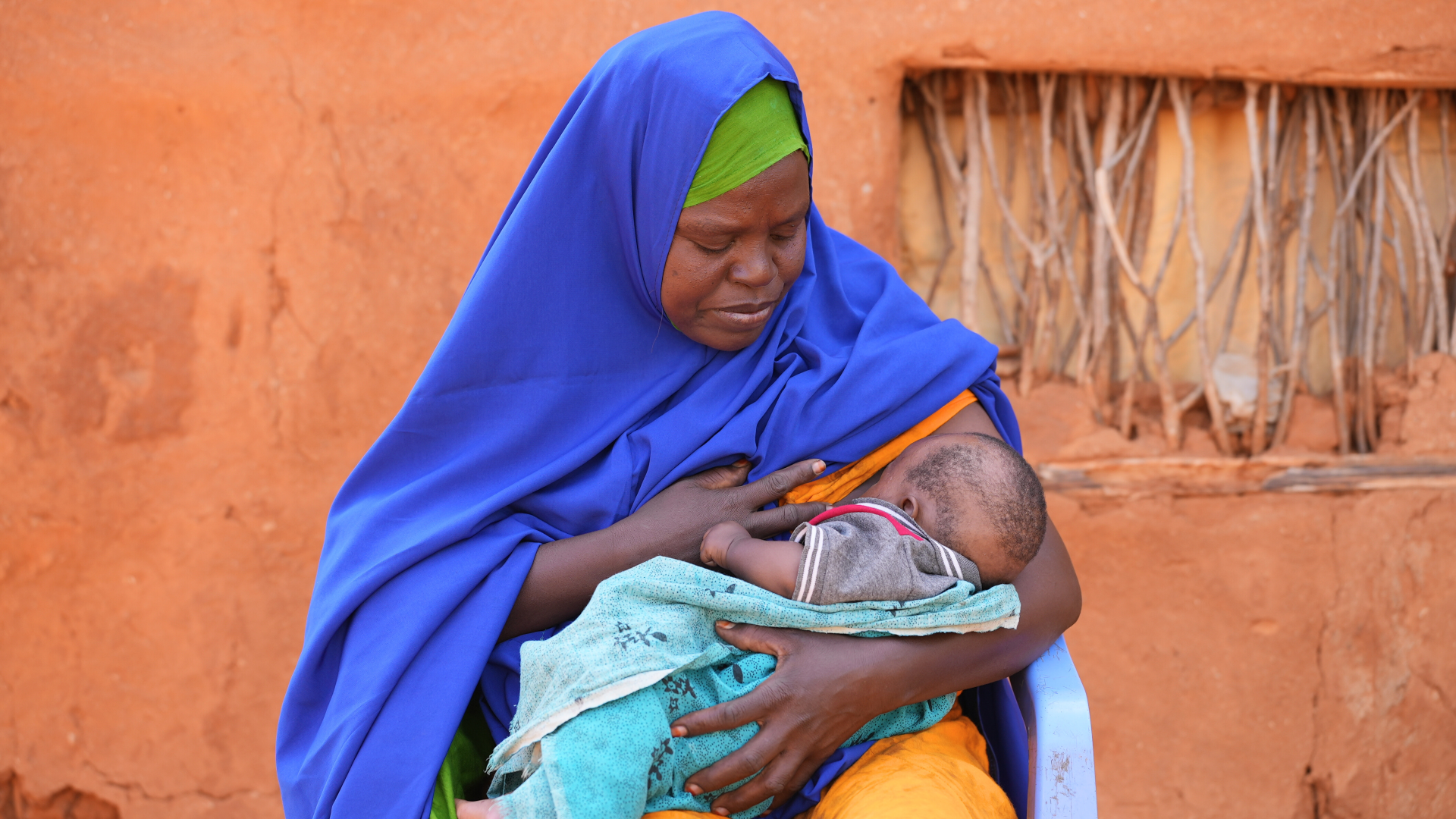
1. Afterpains Can Feel Like Fresh Labour Contractions
Every time a newborn latches, the body releases oxytocin. This is the same hormone that drives labour contractions. That surge makes the uterus squeeze back to its pre-pregnancy size, and for many women this feels like sharp menstrual cramps or mild contractions.
Afterpains are usually strongest in the first two to five days postpartum and tend to intensify with a second or third baby. Nobody warns first-time mothers that breastfeeding itself can trigger this cramping, so many assume something is wrong when it is actually the body healing itself.
2. Cracked and Bleeding Nipples Are Common, Not a Personal Failure
A poor latch, even a slightly wrong one, can tear the delicate skin of the nipple within the first week. Some women describe it as worse than the birth itself. It is a stinging or burning sensation every time the baby feeds, sometimes with visible blood on the breast pad.
This is not a sign of weak willpower or bad mothering. It is usually a latch or positioning issue that a lactation consultant can correct quickly, though the healing process itself can take days.
Many women push through the pain silently because they assume it is simply part of the deal, when in truth persistent cracking can lead to infection if left unaddressed.
3. Engorgement Turns the Breasts Rock Hard and Feverish
Around day three to five after delivery, "true" milk comes in and often overwhelms the breast tissue before a feeding routine is established. The breasts can become tight, swollen, hot and painfully hard. Sometimes the mother gets down with a low fever that mimics infection.
Many first-time mothers panic during this stage, but frequent feeding, hand expression and cold compresses typically bring relief within a day or two.
4. Cluster Feeding Drains the Body More Than the Baby
There are stretches, especially in the evenings, when a newborn wants to feed almost constantly for hours. This is called cluster feeding and while it is developmentally normal for the baby, it is physically draining for the mother.
Sitting in one position for hours strains the back, shoulders, and wrists long before anyone even mentions sleep deprivation.

5. Mastitis Can Set In Fast and Feels Like Flu
A blocked milk duct that goes unresolved can turn into mastitis. This is a breast infection that brings sudden fever, chills, body aches, and a red, painful patch on the breast.
It can escalate within hours. Many women mistake the early symptoms for exhaustion or a passing cold and delay treatment, when in reality continued feeding or pumping on the affected side, along with medical attention, is usually needed quickly.
Left untreated, mastitis can progress to an abscess that requires drainage, so first-time mothers should never brush off a sudden fever paired with breast tenderness as ordinary postpartum fatigue.
6. The Let-Down Reflex Can Feel Like Pins and Needles
Milk does not simply flow; it is pushed out by a reflex response that many women describe as tingling, prickling, or even burning deep in the breast tissue. For some it is barely noticeable. For others it is uncomfortable enough to make them wince every feed, especially before the body adjusts.
7. Thrush Can Infect the Nipples, Not Just the Baby's Mouth
A yeast infection can develop on cracked or damaged nipples, causing a burning pain that lingers even after a feeding ends. This is frequently misdiagnosed as a poor latch problem alone, delaying antifungal treatment that both mother and baby usually need at the same time.
8. Breast Leaking Happens at the Most Inconvenient Times
Hearing another baby cry, waking at night, or going too long between feeds can trigger sudden and uncontrollable leaking. For a first-time mother still learning her body's new rhythms, this can be embarrassing in public or work settings, and it often continues for weeks before supply regulates.

9. Breastfeeding Can Suppress Ovulation, but Not Reliably
Exclusive, frequent breastfeeding delays ovulation for many women through a hormonal effect known as lactational amenorrhea. It is not a guaranteed contraceptive method, and cycles can return unpredictably, sometimes catching new mothers off guard within months of delivery.
10. Emotional Overwhelm During Feeding Is Real and Rarely Discussed
Some women experience a wave of sadness, irritability, or anxiety right at the moment of let-down, a lesser-known reaction linked to hormonal shifts during breastfeeding. It can pass within minutes but feels alarming the first time it happens, and many mothers stay silent about it out of fear of being seen as ungrateful or unfit.
The Bottom Line for First-Time Mothers
Breastfeeding pain and discomfort are common, but common does not mean they should be silently endured.

First-time mothers deserve accurate information about what postpartum breastfeeding actually feels like, not just what it is supposed to look like.
Talking to a lactation consultant early, watching for warning signs like fever or spreading redness, and giving the body grace during the adjustment period can make the first weeks far more manageable.
Women who normalise these experiences, instead of quietly enduring them, help the next generation of first-time mothers walk into breastfeeding with realistic expectations rather than shame.