Why Period Smell Changes and What May Help
Ever noticed a change in period smell and wondered if it’s normal? From hormones and hygiene to diet and health signals, discover what your body might really be telling you.
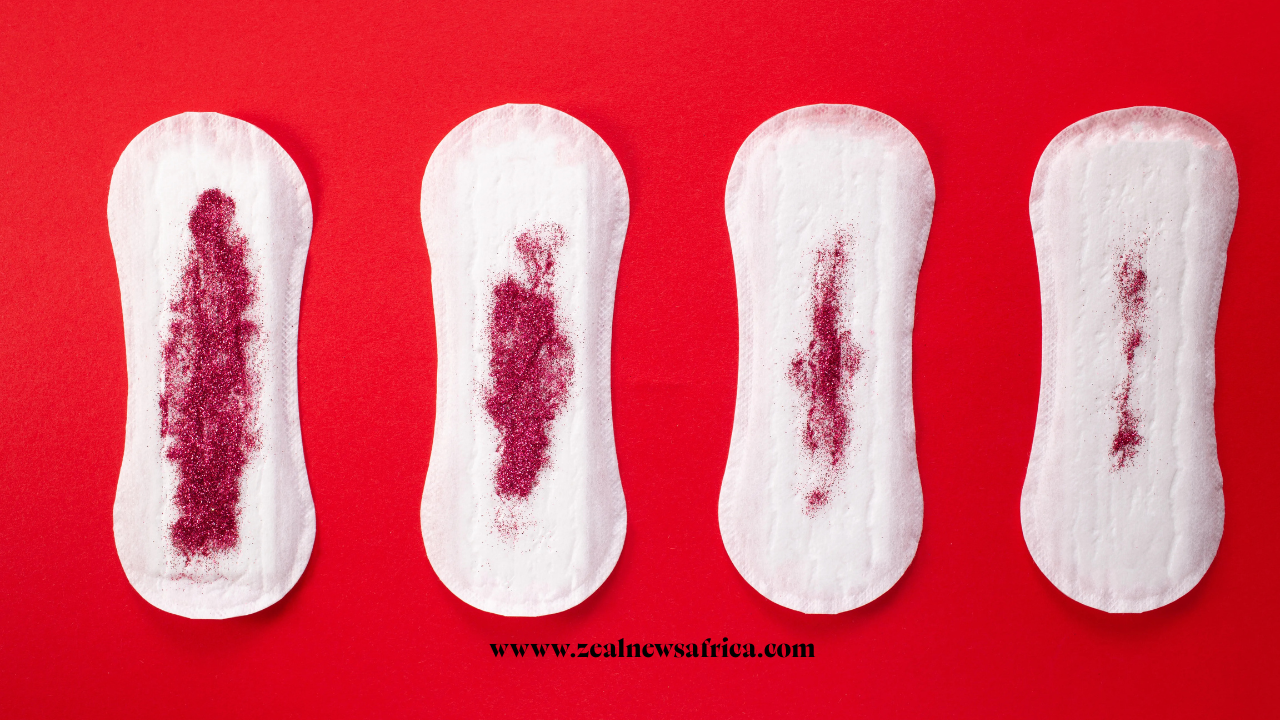
Menstrual cycles come with many changes in the body, and one of them can be a difference in period smell.
While this is often a normal part of the cycle, it can sometimes feel confusing or even worrying. In reality, period blood itself does not have a strong smell at first, but once it is exposed to air, bacteria, sweat, and natural body fluids, a noticeable scent can develop.
This can vary from person to person and even from day to day during the same period.
Hormonal changes can also play a role in how the body naturally smells during menstruation, making the scent slightly different at certain times.
Sometimes, stress, diet, or changes in hygiene routines can also subtly influence how strong or mild the smell feels.
Even the type of sanitary product used can make a difference, since pads, tampons, or menstrual cups interact with blood in different ways.
Understanding why this happens can help reduce worry and improve personal comfort. It is usually just the body going through a natural process, even if it feels a little uncomfortable or unfamiliar.
Most of the time, simple habits like changing sanitary products regularly, staying clean, and using breathable underwear can help maintain freshness and confidence throughout the cycle.

The Role of Hygiene and Product Use
How often sanitary products are changed can also influence smell, and pads, tampons, or menstrual cups that are left for too long may allow bacteria to grow more, which can intensify odor.
Using breathable underwear and changing products regularly helps keep the area clean and comfortable.
Maintaining menstrual hygiene is highly actionable, and the best way to prevent odors and discomfort is by knowing exactly how often to change and clean your sanitary items.
It can also help to choose products that suit your body and flow, since comfort plays a big role in how fresh you feel throughout the day.
A simple routine of cleaning and changing products at the right time can make the whole experience feel more manageable and less stressful.
Most importantly, listening to your body and paying attention to what feels right can make a noticeable difference.

What Causes Period Smell to Change
Period smell can vary from person to person and even from cycle to cycle, and one major reason is the mixing of blood with natural vaginal bacteria, which can produce a mild metallic or musky scent.
Hormonal changes during the cycle can also affect the balance of bacteria, making the smell slightly stronger or different at certain times.
This is completely normal and is often just part of how the body naturally adjusts during menstruation.

In addition, the flow of blood can influence how noticeable the smell is, with heavier flow sometimes leading to a stronger scent.
The longer blood stays in contact with air and skin, the more likely it is to develop a distinct odor.
Everyday factors like stress, hydration levels, and personal body chemistry can also play a small role, making each cycle slightly different from the next.
According to gynecological health experts such as Jennifer Gunter, many of these changes are considered a normal part of the menstrual cycle as long as the odor is not unusually strong or accompanied by symptoms like pain or unusual discharge.
Because every body is unique, it’s normal for each person’s experience to feel a little different from month to month.
What matters most is noticing your own normal pattern so you can better understand when something feels off or unusual.

Diet, Hydration, and Body Changes
What you eat and drink can also play a small role in how your body naturally smells during menstruation.
Diet and hydration significantly influence your body’s natural chemistry and scent during menstruation.
Strong foods, dehydration, or changes in your body’s natural chemistry may slightly affect body odor, including during your period.
What you consume can subtly alter vaginal secretions and interact with sweat, and a balanced diet and good hydration support a stable pH balance, which helps regulate your natural body odor
Staying hydrated and maintaining a balanced diet can help the body regulate itself more smoothly and reduce any unwanted changes.
In some cases, foods like garlic, onions, or heavily spiced meals may make body scent a bit more noticeable for certain people, while fresh fruits and vegetables can help the body feel more balanced.
These effects are usually subtle, but they can vary from person to person, and hormonal shifts during your cycle can also make your body more sensitive, so small dietary changes may feel more noticeable than usual.
Listening to your body and noticing how it responds to different foods can help you better understand what works best for you during your cycle.
These simple habits like drinking enough water, eating regular meals, and avoiding excessive processed foods can support overall comfort and help you feel more in control throughout your period.
When Changes May Need Attention
While some variation in smell is normal, a very strong, unusual, or foul odor, especially if combined with itching, pain, or unusual discharge—could be a sign of an infection such as bacterial vaginosis.
In such cases, it is important to seek medical advice for proper care and treatment, and this helps ensure that any underlying issue is identified early and managed correctly.
Paying attention to changes in your body is not about worrying unnecessarily, but about understanding what is normal for you.
If something feels different or uncomfortable, it is always better to get it checked for peace of mind.
Conclusion
Period smell changes are usually a normal part of the menstrual cycle and are influenced by natural body processes, hygiene habits, and hormonal shifts.
However, understanding what is typical and what is not can help you feel more confident and aware of your body.
The simple habits like good hygiene, hydration, and paying attention to changes can make a big difference in comfort and health.