Why Jollof Rice Is More Than Just Food
Jollof Rice is more than a meal—it is culture, celebration, and memory on a plate.

Few dishes inspire as much passion and pride as Jollof Rice.
Loved across West Africa, it is more than just food, it is a symbol of culture, celebration, and togetherness.
Jollof Rice is cooked in different ways across countries like Nigeria, Ghana, and Senegal.
Each version has its own taste and style, depending on local ingredients and traditions.
This difference has led to the famous “Jollof wars,” a friendly debate about which country makes the best version.
Beyond the debate, Jollof Rice plays a big role in celebrations like weddings, birthdays, and holidays.
It is often cooked in large pots and shared among family and friends, creating moments of joy and connection.
The recipe is also passed down through generations, usually by memory rather than writing.
This helps keep family traditions alive. For many people living abroad, Jollof Rice is a taste of home and a reminder of their roots.
Whether simple or special, Jollof Rice is more than a meal, it represents pride, culture, and belonging.
A Symbol of Culture and Identity
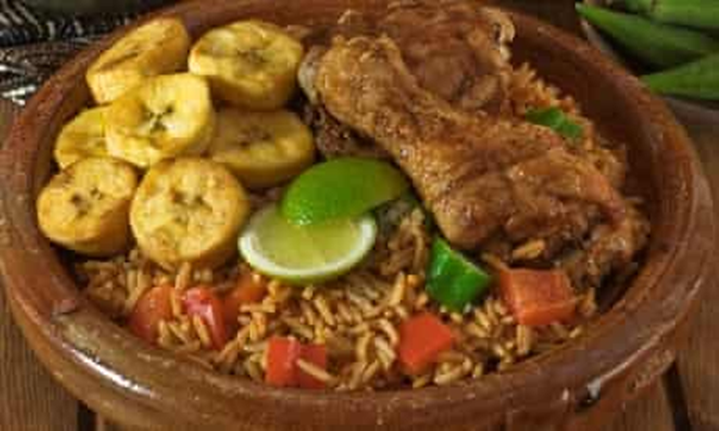
Jollof Rice is more than a popular West African dish, it is a powerful symbol of culture and identity.
It reflects the history, traditions, and everyday life of the people who prepare it.
While the ingredients may seem simple, the meaning behind the dish runs much deeper.
Across West Africa, countries like Nigeria, Ghana, and Senegal each prepare Jollof Rice in their own distinct way.
The differences in taste, texture, and cooking style come from local ingredients, spices, and traditions passed down through generations.
For example, some versions are richer and more tomato-heavy, while others have a smoky or spicier flavor.
These variations make each version unique and meaningful to the people who cook and eat it.
This diversity has also created the famous “Jollof rivalry,” where countries proudly defend their own version of the dish.

While it is often playful and humorous, it also shows how strongly people connect food to identity.
Jollof Rice becomes a way of expressing national pride, creativity, and cultural belonging.
Beyond national identity, Jollof Rice also represents family and personal heritage.
Many people learn to cook it from parents or grandparents, carrying recipes that are not written down but remembered through practice and experience.
In this way, every pot of Jollof can tell a story of home, upbringing, and tradition.
For many Africans in the diaspora, Jollof Rice holds even deeper meaning.
It becomes a link to their roots and a way to stay connected to their culture, even far from home.
Cooking or sharing it abroad often brings feelings of nostalgia, comfort, and belonging.
Ultimately, Jollof Rice is not just a meal, it is a living expression of identity.
It brings people together, celebrates diversity, and reminds everyone that culture can be shared through something as simple, yet powerful, as food.
The Heart of Celebration
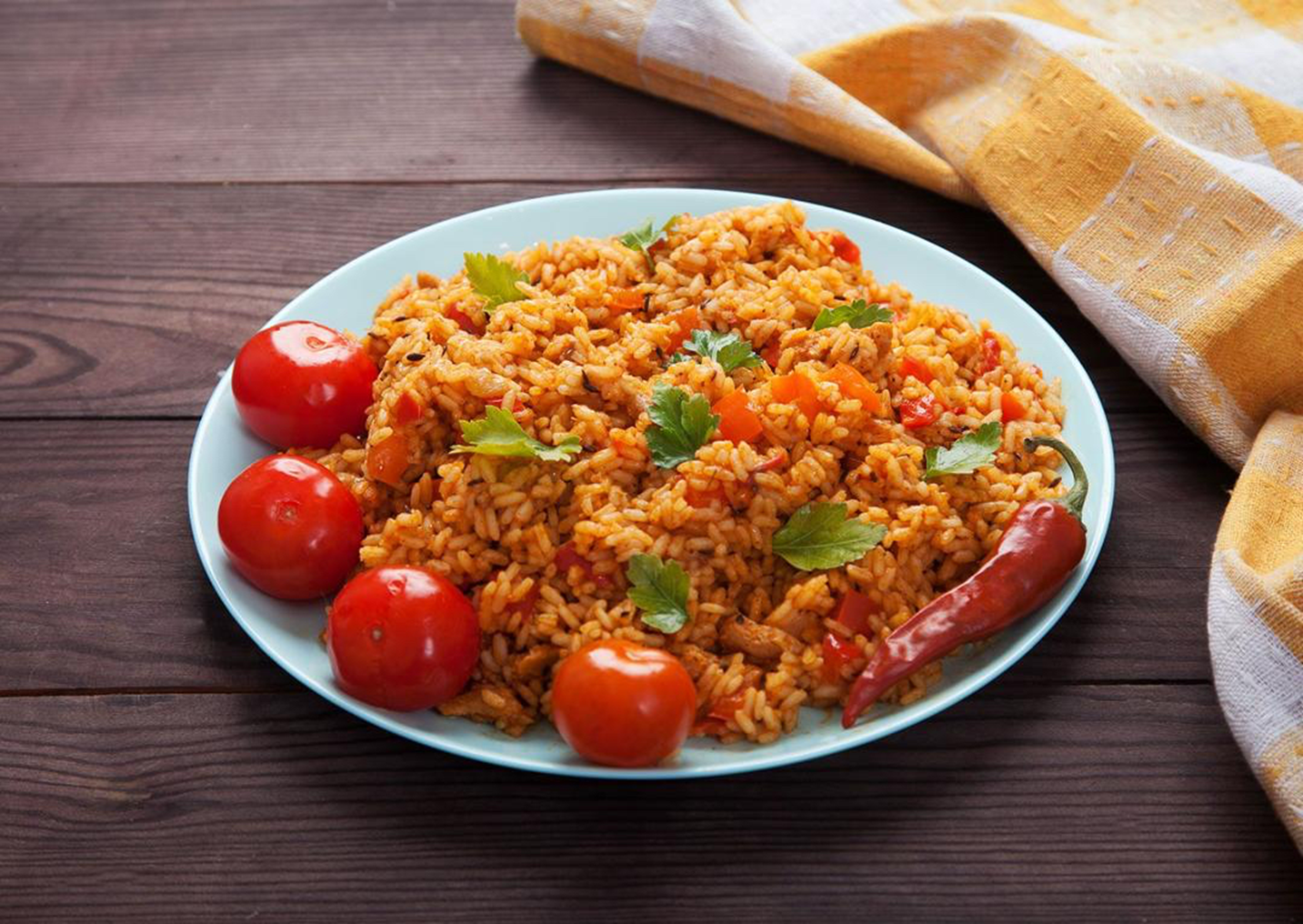
Jollof Rice is often called the heart of celebrationsbecause it plays a central role in gatherings across West Africa.
Whether it is a wedding, birthday, naming ceremony, or festive holiday, a party is rarely considered complete without a large pot of Jollof Rice.
One reason for its importance is the way it brings people together.
Preparing Jollof is often a group effort, family members and friends help with washing rice, blending pepper, stirring the pot, and tasting along the way.
This shared cooking experience builds excitement even before the food is served.
At the event itself, the aroma of Jollof Rice is enough to set the mood.
Its rich, smoky scent fills the air and draws guests in, creating anticipation and joy.
When it is finally served, it becomes the centerpiece of the meal, often eaten alongside other dishes and shared in a lively, social atmosphere.
Jollof Rice also symbolizes generosity and celebration.
Serving it in large quantities shows hospitality and care for guests.
It is a dish meant to be shared, not eaten alone, which makes it perfect for festive occasions.
Beyond the food itself, Jollof Rice carries emotional meaning.
It is linked to memories of happy moments, family gatherings, and cultural traditions.
For many people, tasting it at a celebration instantly brings feelings of comfort, nostalgia, and belonging.
In this way, Jollof Rice is more than just part of the menu, it is a key ingredient in the joy, unity, and energy of celebrations.
A Taste of Home and Nostalgia
Jollof Rice is more than food, it is comfort and memory in a plate.
For many people, it reminds them of childhood, family meals, and happy times in the kitchen.
Growing up, people often watch it being cooked and enjoy it with their families.
These experiences create strong memories linked to home and togetherness.
Even when people live far away, Jollof Rice can bring back feelings of home and belonging.
One bite can remind them of family, culture, and where they come from.
In this way, Jollof Rice is not just a meal, it is a taste of home and nostalgia.
Conclusion
Jollof Rice is more than just food, it is culture, celebration, and memory all in one.
It connects people across borders, generations, and experiences.
It brings families and friends together during special moments and carries traditions that have been passed down over time.
From everyday meals to big celebrations, it remains a dish that holds deep meaning for many people.
In every bite, there is a story of heritage, a sense of belonging, and emotions tied to home and identity.
Jollof Rice is not just about taste, it is about the memories, pride, and connections it creates.