Who Should Be Held Responsible When Your Donated Clothes Become Someone Else's Pollution? - A Report
You donated your clothes hoping they'd get a second life. Instead, some end up in communities across Africa that are shouldering the environmental cost of the fashion industry's growing waste crisis. How can a simple act of goodwill become part of a much bigger global problem?
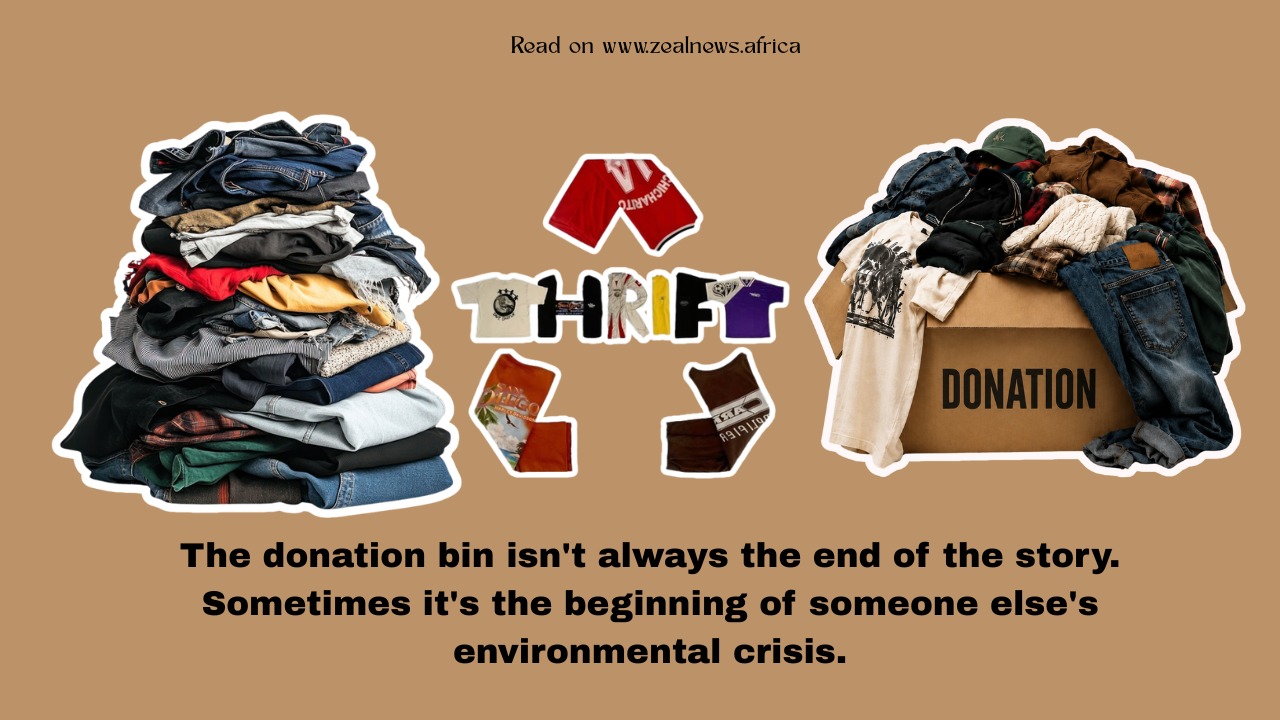
Imagine cleaning out your wardrobe on a Saturday morning. You fold up the jeans you no longer wear, the jacket that has been sitting untouched for years and the dress you bought on impulse. You place them into a donation bag believing someone, somewhere, will give them a second life.
It feels like the responsible choice. Your closet becomes less crowded, another person gets affordable clothing, and a garment avoids ending up in the trash.
But what happens after that donation leaves your hands?
Somewhere along the journey, that same shirt could cross oceans, move through international clothing markets and eventually become part of a waste problem in another country. It could end up in a landfill, dumped in an open space, or mixed with thousands of other unwanted garments that communities struggle to manage.
The question is not whether you donated with good intentions. Millions of people do.
The question is who should be responsible when your donated clothes become someone else's pollution?
For decades, clothing donation has been presented as a simple solution to fashion waste. However, the reality behind the donation system reveals a much more complicated global chain involving consumers, fashion companies, exporters, traders and governments.
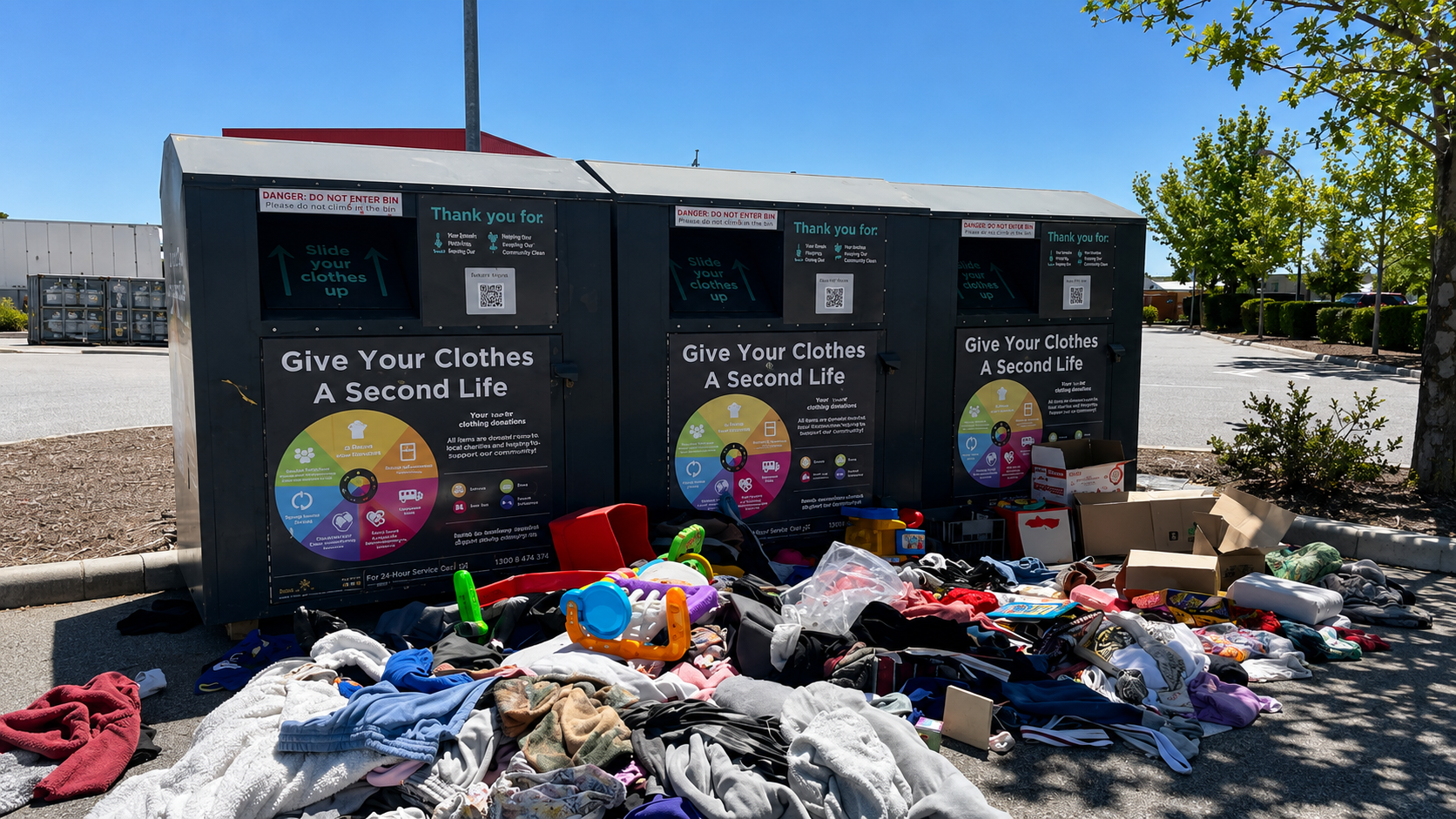
While many second-hand garments are reused and provide affordable clothing for millions of people, the world is also producing clothing at a speed that exceeds its ability to reuse, recycle or responsibly dispose of it.
The result is a growing contradiction: a system designed to extend the life of clothing is increasingly becoming another pathway for textile waste.
The Donation Myth: What Really Happens After You Drop Off Your Clothes
When people donate clothes, they often imagine a direct journey. A jacket leaves one person's wardrobe and arrives in another person's hands. Sometimes that happens.
But the global second-hand clothing industry is far more complex.
Donated garments are usually collected, sorted and graded before they enter resale markets. Items in good condition may be sold locally or exported to countries where there is demand for affordable clothing.
Others may be recycled into different materials or sent through multiple trading networks in search of buyers.
The challenge begins with the clothes that have little value.
Social Insight
Navigate the Rhythms of African Communities
Bold Conversations. Real Impact. True Narratives.
A damaged shirt, poorly made fast-fashion item or garment that has gone out of style may have almost no resale potential. Yet because it has already entered the global clothing system, someone still has to deal with what happens next.
This is where the hidden cost of fashion appears.
The fashion industry has created a situation where clothing is often cheaper to replace than repair. Many garments are produced quickly, worn fewer times and discarded long before their materials naturally break down.
Fast fashion has accelerated this cycle. New trends appear constantly, encouraging consumers to buy more while brands continue producing larger volumes of clothing.
Donating unwanted clothing is not the problem. In many cases, it helps extend the life of garments and creates economic opportunities.

The deeper issue is that donation has become a convenient answer to a much larger question: what happens when the world produces more clothing than people can use?
Why Africa and Chile Are Paying for Fast Fashion's Waste
Across Africa, second-hand clothing is not just a waste story. It is also a livelihood story.
Markets selling imported used clothing support thousands of traders, tailors, transport workers and small businesses.
In countries such as Nigeria, Ghana, Kenya and Uganda, affordable second-hand fashion has become an important part of everyday life, allowing consumers to access clothing at lower prices while creating employment opportunities.
But behind the economic benefits is a growing challenge.
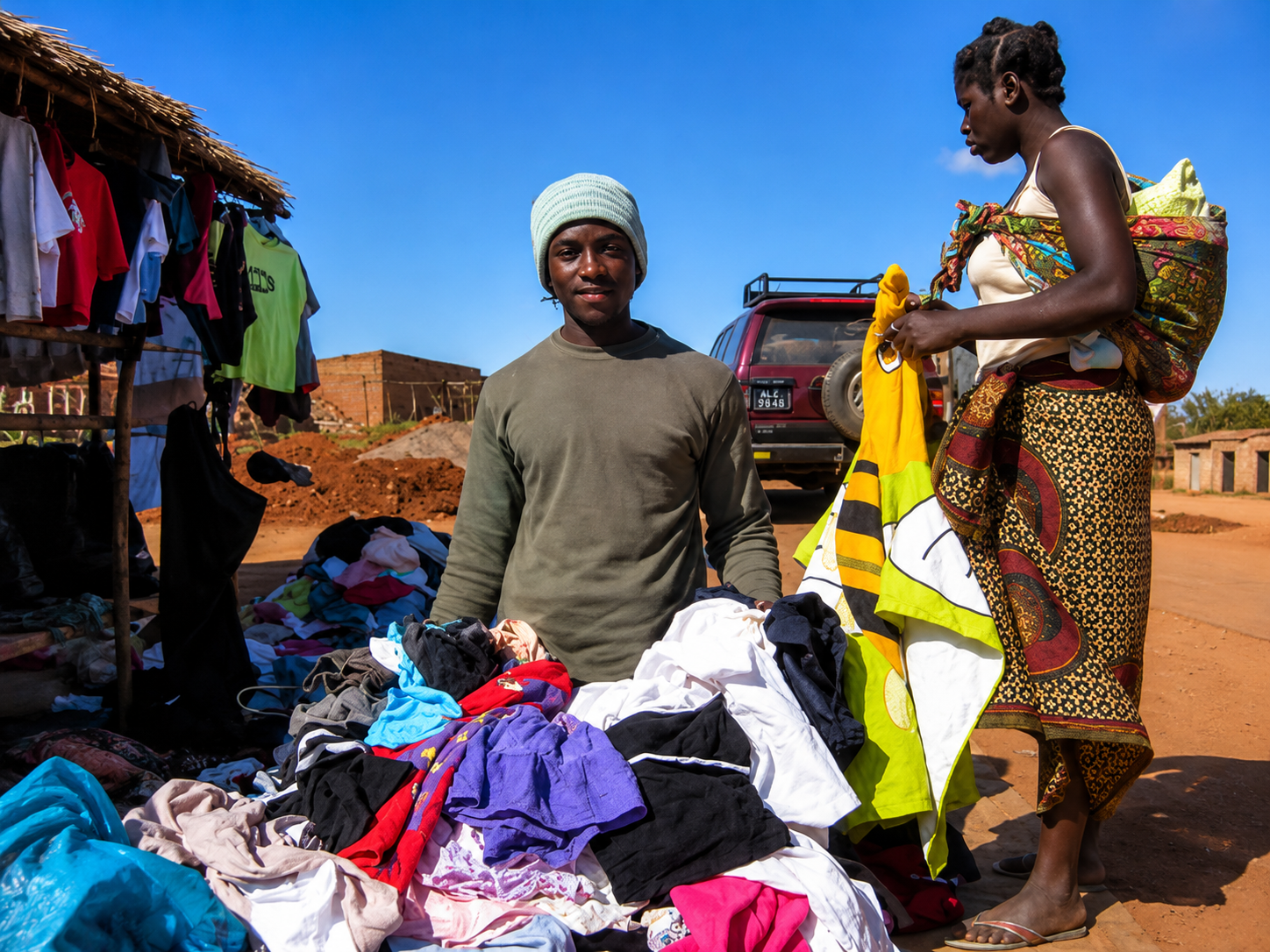
Imported clothing often arrives in large bales ( called ‘Mitumba’ by East African countries, ‘okrika’ in Nigeria and ‘salaula’ in Zambia), and traders do not always know what condition the garments will be in. Some contain high-quality pieces that can be sold immediately. Others contain items that are damaged, outdated or impossible to resell.
When clothing cannot find a buyer, the burden often falls on local communities.
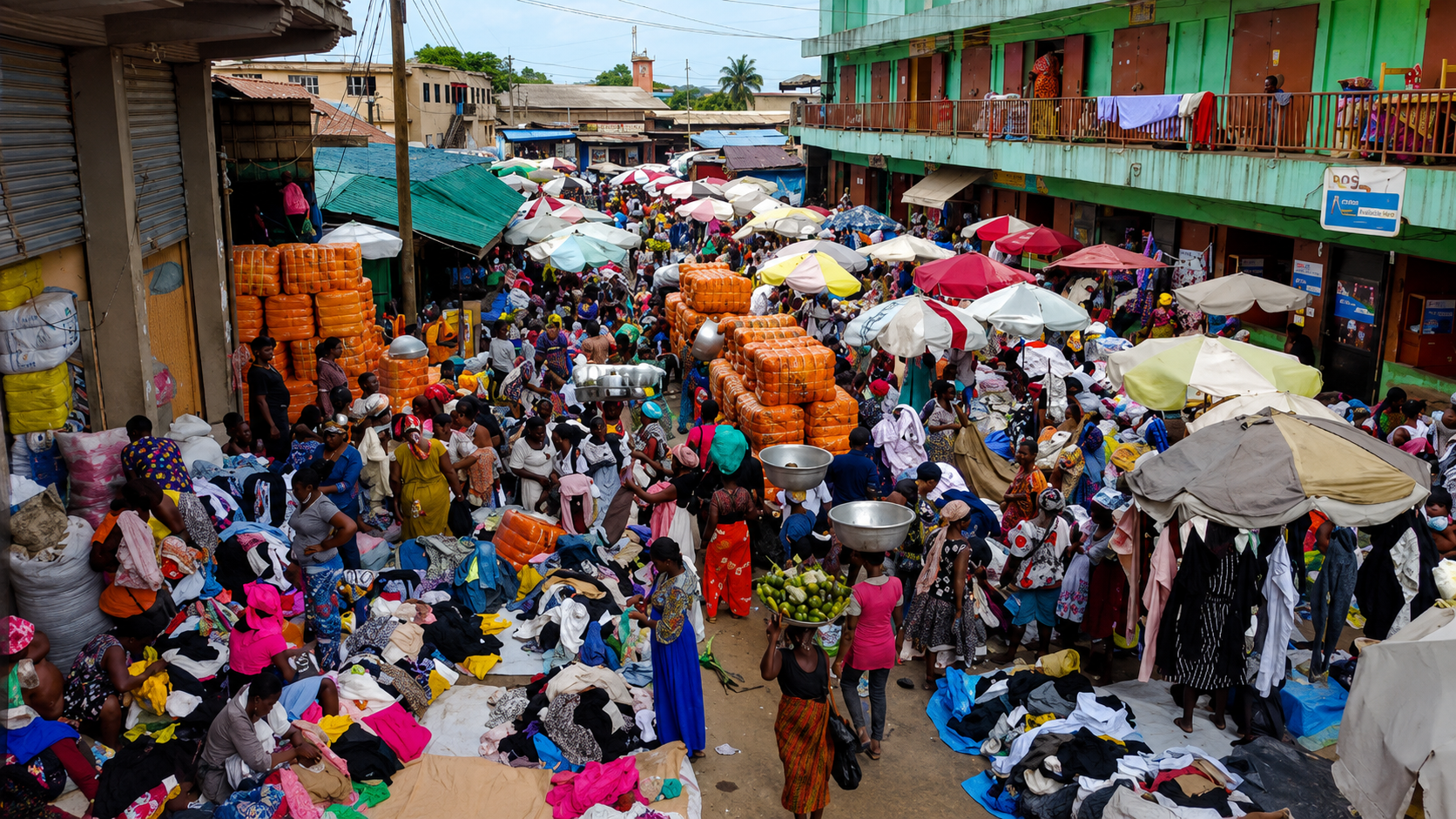
In Ghana, concerns have grown around the volume of unusable clothing entering the country through the sprawling Kantamanto Market in Accra, one of the world's largest second hand clothing markets.
Waste from discarded textiles has placed increasing pressure on the city's waste management systems, with some garments eventually finding their way into waterways such as the Odaw River and onto beaches including Korle Lagoon and the Gulf of Guinea coastline.
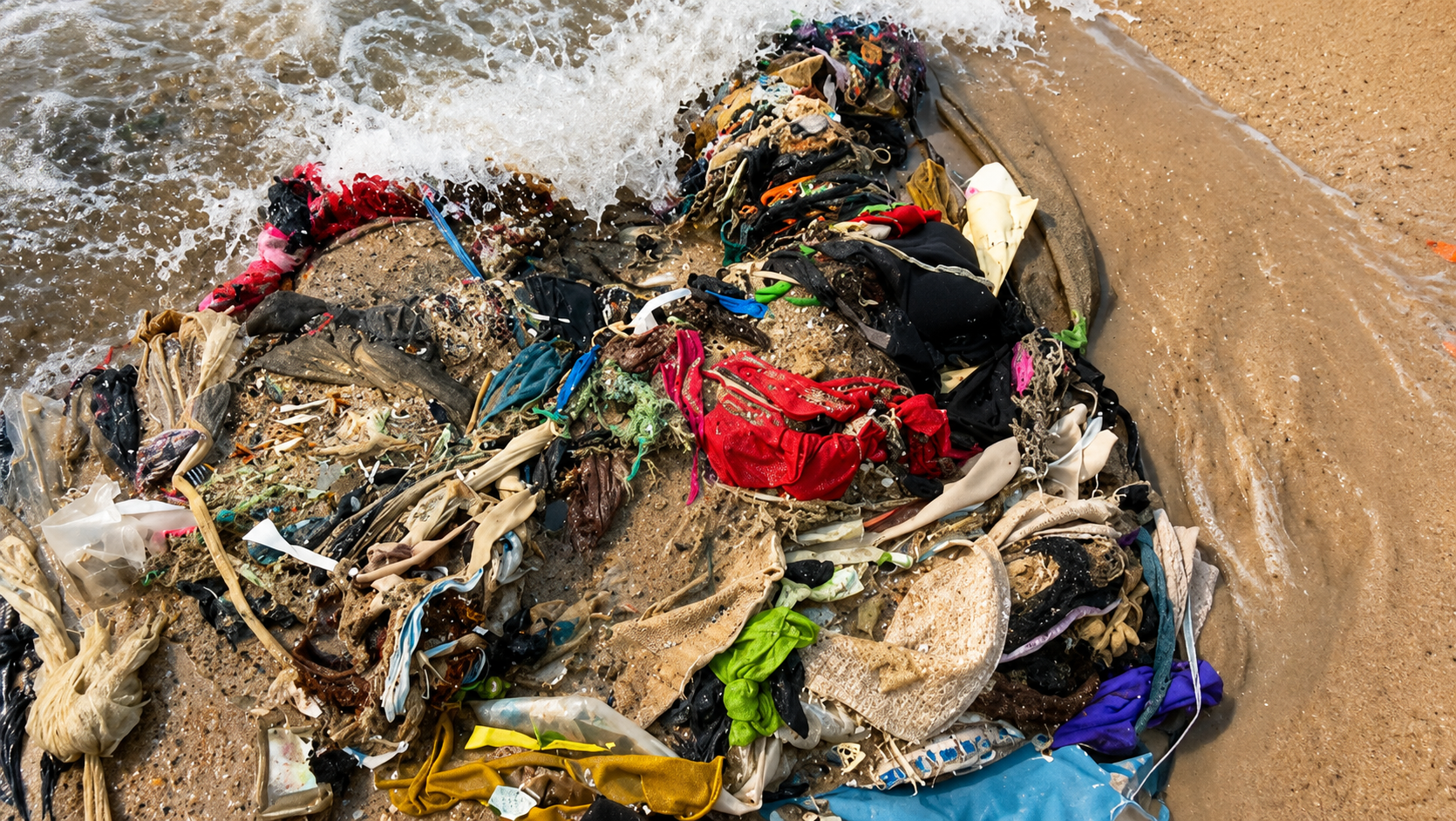
Thousands of kilometres away in Chile, a similar problem has emerged in the Atacama Desert, where mountains of discarded clothing have become one of the world's most visible symbols of textile waste. It is stated that this dessert contains 60,000 tonnes of clothes.
Social Insight
Navigate the Rhythms of African Communities
Bold Conversations. Real Impact. True Narratives.
Much of the clothing enters through the Port of Iquique in the country's free trade zone before unsold items are dumped or abandoned in the desert, turning excess fashion into a growing environmental challenge.
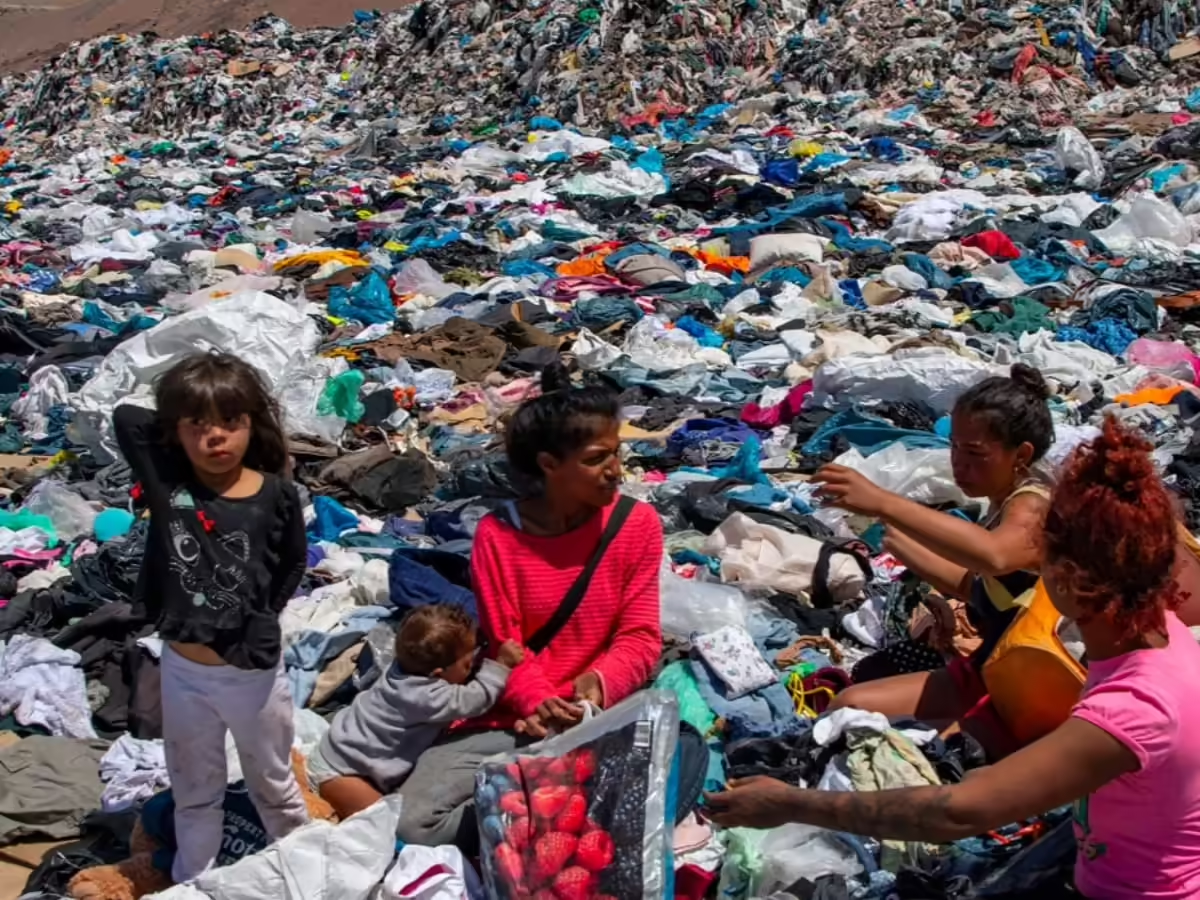
The geography is different, but it faces the same problem.
Countries that consume the most clothing are often not the same countries dealing with the final waste. The environmental consequences frequently appear thousands of kilometres away from where the clothes were originally purchased.
This raises a difficult question about fairness. Should communities that receive these garments also carry the responsibility for managing the waste created by a global industry?
Who Should Be Held Responsible?
The easiest answer is to blame consumers.
After all, people choose what they buy, what they keep and what they donate.
But the fashion waste crisis is not created by individual choices alone. It is the result of an entire system built around producing, selling and replacing clothing at an increasingly rapid pace.
Fashion companies play a major role because they determine how much clothing enters the market, how long garments are designed to last and whether recycling or repair is considered during production.
Brands that benefit from selling millions of low-cost items also have a responsibility to consider what happens when those products are no longer wanted.
Governments also have an important role. Stronger waste regulations, investment in textile recycling infrastructure and policies that require producers to take responsibility for the full life cycle of their products can help reduce the burden on communities.
Exporting countries must also examine how unwanted clothing moves across borders. A donation system should not become a way for wealthy countries to transfer their waste problems elsewhere.
At the same time, consumers still have power.
Buying fewer but better-quality clothes, repairing garments where possible and being more intentional about donations can reduce pressure on the system. The goal is not to make people feel guilty for owning clothes. It is to rethink a culture where clothing is treated as disposable.
The responsibility is shared, but it should not be equally distributed. Those who produce and profit the most from the fashion system must play the biggest role in fixing it.
Can the Fashion Industry Fix the Problem It Created?
The fashion industry is beginning to experiment with solutions, but the scale of the challenge remains enormous.
Social Insight
Navigate the Rhythms of African Communities
Bold Conversations. Real Impact. True Narratives.
Some companies are developing textile recycling technologies that can transform old garments into new materials.
Others are investing in resale platforms, clothing rental services and repair programmes designed to keep clothes in use for longer.
However, recycling alone cannot solve a problem created by overproduction. If the world continues producing clothing faster than it can reuse it, even advanced recycling systems will struggle to keep up.
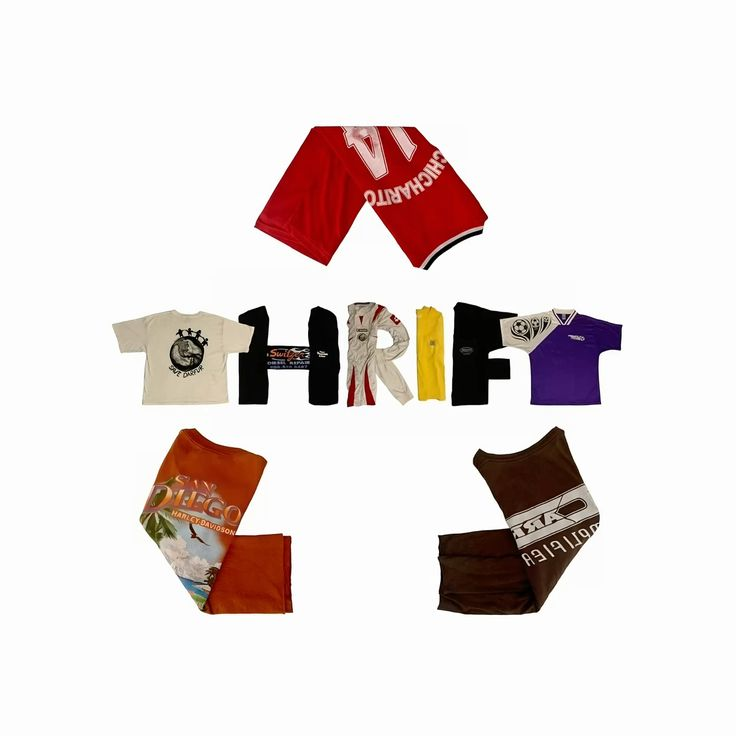
The future of fashion depends on changing the relationship people have with clothing. A shirt should not be considered valuable only when it is new. A jacket should not become worthless simply because a trend has changed.
For Africa, the challenge is finding a balance between protecting the economic benefits of second-hand clothing markets and preventing the continent from becoming a destination for the world's unwanted fashion waste.
For consumers everywhere, the lesson is equally important. A donation bag is not the end of a garment's story. It is simply another chapter.
The next time you clean your wardrobe, remember that every piece of clothing has a journey beyond your closet.
And if that journey ends with another community dealing with the pollution, the question remains:
Who should be responsible when your donated clothes become someone else's pollution?