Who Owns Africa's Data?
What is a data center, what does it require, and who owns Africa's data?
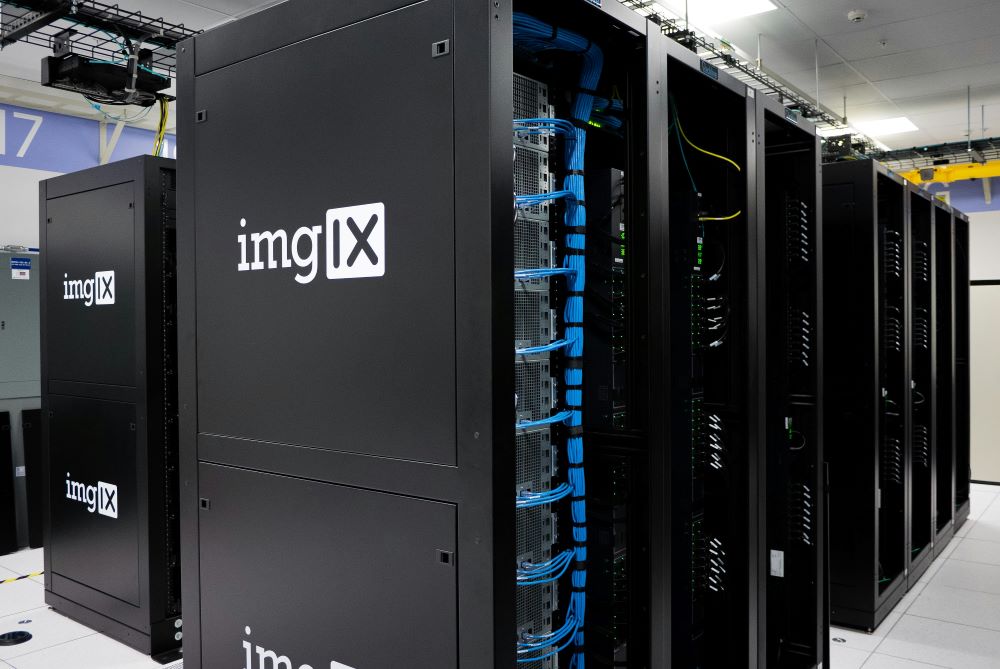
What is a data center, and how much can Africa Store?
A data center is a facility that houses computers and networking equipment used to store, process, and manage large amounts of digital data. Think of it as the physical "home" for the internet, cloud services, and digital applications.
As of 2025, Africa has approximately 110 existing data centers, with an additional 56 new data centers expected to launch by the end of the year, bringing the total to around 166 data centers either operational or soon to be operational across the continent. These facilities span at least 26 countries, including key markets like South Africa, Nigeria, Kenya, Egypt, Morocco, Ghana, and others.
South Africa dominates the data center landscape, holding about 63% of the total capacity, with major hubs in Johannesburg, Cape Town, Durban, and other cities. Meanwhile, Nigeria emerges as the fastest-growing market, driven by significant investments fueled by digital transformation and surging demand for colocation services. Morocco is poised to lead the upcoming data center expansion, accounting for nearly 35% of the new power capacity planned between 2025 and 2027.
The market’s value is forecasted to nearly double—from USD 3.49 billion in 2024 to USD 6.81 billion by 2030—propelled by the rapid growth of cloud computing, artificial intelligence, fintech, and e-commerce across the continent.
Right now, Africa’s data centers have the capacity to store about 800 petabytes of data—that’s a huge amount, since one petabyte equals 1,000 terabytes. By the end of 2025, as new data centers come online and capacity grows to 800 megawatts, the total storage could double to around 1.6 exabytes (which is 1,600 petabytes).
What does it take to maintain a Data Center?
Data centers require a significant amount of energy to operate, primarily to power thousands of servers and keep them running 24/7 without interruption. They also need constant cooling to prevent overheating, as servers generate a lot of heat during operation. Typically, data centers maintain temperatures between 18°C and 27°C (64°F to 81°F), using advanced air conditioning, liquid cooling, or airflow systems. In fact, nearly 40% of a data center’s total energy consumption can go toward cooling alone.
The Problem
Despite the growing number of data centers across Africa, they are still not enough to handle all the data generated and transferred across the continent. Many major services—like email providers, search engines such as Google, cloud platforms, and social media apps—still rely heavily on servers located outside of Africa.
This means that a large portion of African internet traffic, including emails, file storage, video calls, and app usage, is routed through data centers in Europe, Asia, or North America. As a result, Africa remains dependent on foreign infrastructure for everyday digital services, leading to slower speeds, higher costs, potential security concerns, and limited control over its own data. Expanding local data center capacity is essential not only for improving digital performance but also for strengthening data sovereignty and digital independence.

Who Owns Africa’s Data?
The question of data transfer — who controls data as it crosses borders — has become a hotly contested issue across Africa. Data sovereignty, the principle that data is governed by the laws of the country where it is generated, has gained traction as governments seek to protect national security, economic interests, and citizens’ privacy.
Across the continent, approaches vary: some countries outright prohibit cross-border data transfers, while many Francophone nations require data localization, mandating that data be stored within their borders. Algeria goes a step further, requiring regulatory approval on a case-by-case basis for any outbound data movement. These measures reflect a delicate balancing act: facilitating data flows to foster innovation and economic growth, while safeguarding national interests in an increasingly digital and interconnected world.

Ideally, data generated within African borders should fall under local legal frameworks. Yet, in reality, much of the continent’s digital information is stored on servers controlled by tech companies outside Africa. This situation raises complex issues around national security, economic independence, and the enforceability of data protection laws.
Responding to these challenges, policymakers have advanced national and continental frameworks designed to assert greater control over data. The African Union’s Data Policy Framework calls for strengthening national data systems and creating enabling environments that foster innovation and value creation, all while protecting citizens’ rights.
Digital issues have also become central to Africa’s foreign policy ambitions. Countries are increasingly engaging in “digital diplomacy” by aligning national regulations with international standards—such as the European Union’s GDPR—and participating actively in global forums like the United Nations and the Internet Governance Forum. This strategic posture aims to push back against the dominance of foreign tech companies and cloud providers, ensuring Africa’s digital sovereignty and that its data fuels local development.
Charting the Path Forward
Africa stands at a crossroads. The continent’s vast data resources represent a unique opportunity to accelerate inclusive growth, innovation, and self-determination. But realizing this potential requires confronting numerous challenges.
Investment in digital infrastructure and data literacy is imperative, alongside the development of comprehensive legal frameworks that not only regulate but actively enable data-driven economies. Harmonizing approaches to data transfer and sovereignty will be crucial to navigating the complexities of a global digital ecosystem without sacrificing national interests.
Ultimately, Africa’s data future depends on forging a unified, strategic approach—one that blends domestic policy with international engagement, empowers local innovators, and safeguards citizens’ rights. Only then can Africa’s data truly become a catalyst for transformation, rather than a resource controlled from afar.