When Realities Goes Virtual: What AR and VR Mean for The Gen Z
An insightful commentary on how Augmented Reality and Virtual Reality are reshaping Gen Z’s relationship with play, community, attention, and identity, exploring nostalgia, digital dependency, and the future of immersive technology.
There was a time not so far back, I still remember some days from my childhood, that nostalgic feeling when gaming was an event, not an environment, one we deeply anticipated. It required planning, movement, and people. You walked to the game shop with a few notes of money sweating in your palm, waited your turn behind strangers who quickly became teammates or rivals and even later became friends, learning patience because the console was not yours alone. Screens were shared, victories were loud, losses were communal, and fun went round to everyone while having boundaries, and no matter how interesting the game was, you went home when the shop closed.
Today, Gen Z does not walk into games. Games walk into them or maybe Games are their roommates now. Through smartphones, consoles, headsets, and now immersive technologies like Augmented Reality and Virtual Reality, entertainment shifted from a scheduled activity to a constant state of stimulation. AR and VR are not just upgrades in graphics; they show a huge cultural rewrite. And for Gen Z, they may redefine how reality itself is experienced which is far from the once experienced while growing up.
From Game Shops to Headsets: How Play Lost Its Physical Crowd
For the earlier generations, play was physical and gaming was a shared art, all before it became digital. Even when video games entered the picture, they were still tethered to the community. The joy of gaming was inseparable from the presence of others. You waited for peers, argued over controllers, celebrated wins together, and carried shared memories long after the console powered down. The limitation of access created social glue. Scarcity forced interaction and all the drama it brought.
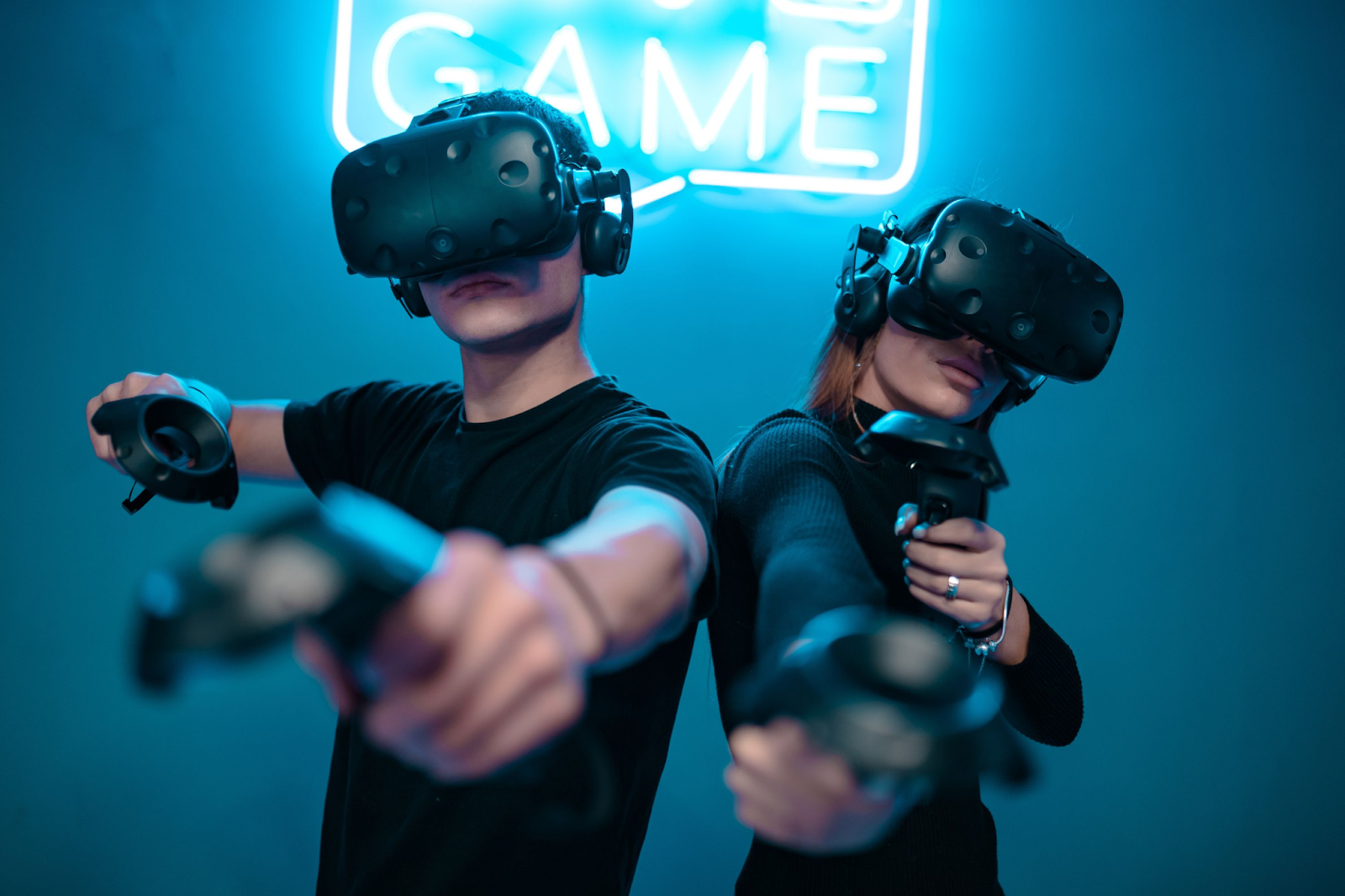
Gen Z, by contrast, grew up in abundance. More than 95 percent own a smartphone, 83 percent own a laptop, and 78 percent own an internet-connected gaming console. Entertainment is no longer something you go out to find; it lives in your pocket. AR and VR build on this foundation by removing the last physical barriers. You no longer need a crowd, a shop, or even a shared screen. You need only a headset or a phone camera, VR headsets, also known as Head-Mounted Displays (HMDs) and the world rearranges itself around you.
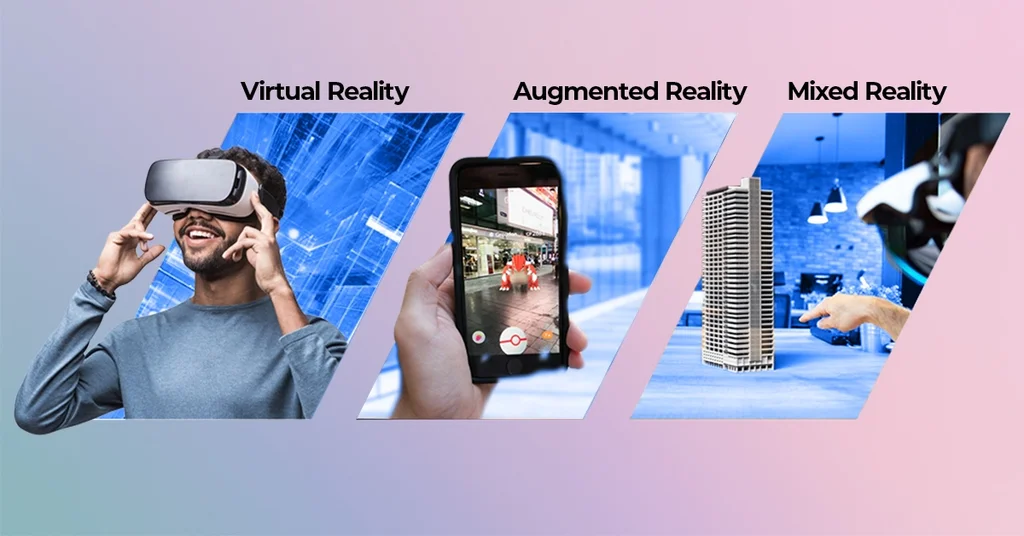
Augmented Reality overlays digital elements onto the real world, while Virtual Reality replaces the world entirely. Together, they represent a shift from gaming as an activity to immersion as a lifestyle. The result is a quieter kind of play. Solo. Personalized. Efficient. But also increasingly detached. Although many might argue that the community has not disappeared and that it has migrated online. Yet the digital community lacks the friction that once taught negotiation, patience, and presence. When connection becomes optional, isolation becomes easier.
Digital Natives in an Always-On World
Gen Z did not adapt to technology; they were born into it and they grew up with it. They are true digital natives, fluent in screens before handwriting, algorithms before atlases. Research shows that 29 percent use their smartphones past midnight nightly, and 69 percent become uncomfortable after being offline for more than eight hours. For 27 percent, even one hour without internet access is distressing. These figures do not merely describe usage; they describe attachment.
AR and VR thrive in this environment because they speak the native language of Gen Z: immersion, immediacy, and interactivity. Gaming is no longer limited to consoles. It spills into streets through AR games, into classrooms through VR simulations, and into social spaces through virtual hangouts. Entertainment, education, and identity increasingly blur.
The internet is Gen Z’s primary source of entertainment, with a large percent accessing it mainly for videos, apps, and interactive platforms. AR and VR extend this by making entertainment experiential rather than observational. You are no longer watching content; you are inside it. This level of stimulation is unprecedented. It raises questions not only about attention spans but about emotional thresholds. When reality feels less engaging than virtual space, where does motivation live?
Yet this dependency is complex, not purely negative. A good percentage reported that they were actually stressed if they could not use their phones at work, suggesting adaptability rather than addiction. Whether you agree or not that Gen Z are being enslaved to technology, one thing is clear; they are negotiating with it and the outcome of that is uncertain at the moment. AR and VR are tools, but they are also mirrors reflecting how deeply digital life has embedded itself into daily routines, howing that humans might not be able to live without them in the nearest future and if so what does it really mean for humans.
Beyond Games: AR and VR as Classrooms, Offices, and Social Spaces
What distinguishes AR and VR from earlier gaming revolutions is their reach beyond entertainment. These technologies are already reshaping professional and educational spaces. Medical students practice surgeries in virtual environments that mimic real time surgical practices. Architects walk clients through buildings that do not yet exist. Remote teams collaborate in simulated offices. Learning becomes embodied, not abstract.

For Gen Z, this is intuitive. They are accustomed to digital spaces as sites of legitimacy. Forty-one percent report daily dependence on the internet for access to people and relationships. Sixty percent believe online reputations will significantly influence future dating opportunities. Identity itself has become partially virtual.
AR and VR amplify this trend. They offer controlled environments where users can experiment with identity, competence, and confidence. This can be empowering, particularly for a generation seeking authenticity. Nearly half of Gen Z want standardized online authentication to ensure trust. They are not naive users; they are discerning participants in digital worlds.
However, there is a subtle trade-off. When interactions are curated, risk is minimized. Failure can be reset. Embarrassment can be logged off. Physical reality, by contrast, offers no undo button. The danger is not that AR and VR exist, but that they become substitutes rather than supplements. When virtual success replaces real-world effort, growth stagnates.

The Future of Immersion: What We Gain and What We Must Protect
AR and VR are not inherently harmful. They are powerful tools that reflect the values of the society using them. For Gen Z, they promise efficiency, creativity, and expanded access. They allow learning without borders and collaboration without geography. They democratize experiences once limited by cost or location.
Yet nostalgia reminds us of what technology often forgets: the value of limitation. Waiting your turn taught patience. Playing in groups taught empathy. Physical presence taught accountability. As immersion deepens, these lessons must be preserved intentionally. Otherwise, convenience will quietly erode character.
The future will not abandon AR and VR; it will integrate them further. The challenge is balance. Gen Z’s attachment to technology is not weakness but fluency. Leaders, educators, and creators have an opportunity to channel this fluency toward meaningful engagement rather than endless distraction. AR and VR can rebuild community if designed to encourage collaboration rather than isolation. They can restore wonder if they do not replace reality entirely.
Perhaps the goal is not to return to game shops or shared controllers, but to carry their spirit forward. Technology should not erase human connection; it should enhance it. For a generation that never logged off, the task ahead is not disconnection, but discernment. The future is immersive. The question is whether it will still be human.