When Everyone Has Access to AI, What Becomes a Real Competitive Advantage?
AI is making skills, knowledge and professional-looking work easier to produce. But if everyone has the same powerful tools, what will actually separate the people who succeed?
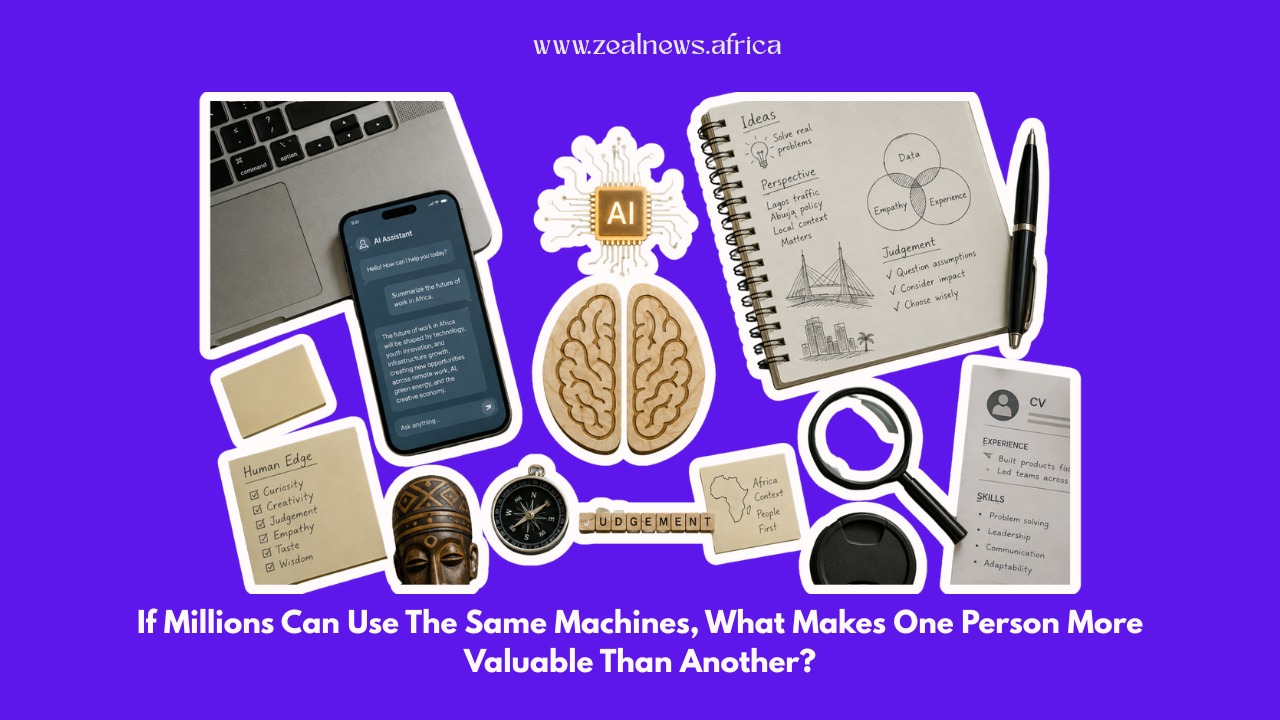
There was a time when knowing something other people did not know could genuinely change your life.
You could be the person in your family who knew how to use a computer properly, the one everybody called when a laptop refused to connect to Wi-Fi, when someone needed a CV typed, when JAMB registration became confusing or when an uncle needed help sending an email attachment.
Knowing how to design a website, analyse data, write professionally or find information online gave you an advantage because knowledge was harder to get.
You had to find the right books, meet someone willing to teach you, pay for a course, spend hours in a cybercafé or learn through repeated mistakes.
Then came AI. Today, a university student in Lagos can ask an AI tool to explain quantum computing before breakfast, while a small business owner in Ibadan selling clothes through Instagram and WhatsApp can generate a marketing plan without paying an agency.
A graduate preparing for an interview at a bank can restructure a CV, research the company and practise possible interview questions before leaving home.

Information that once separated people is becoming available to almost everybody. And that creates a strange problem: if millions of people can ask the same machines for information, learn similar skills and produce work that looks reasonably professional, what exactly makes one person more valuable than another?
Maybe the New Advantage Is Knowing What to Do With Information
Imagine giving 100 Nigerian business owners access to exactly the same AI tool. One runs a fashion business in Aba, another sells phones at Computer Village, someone else runs a logistics company in Lagos, while another owns a small supermarket in Akure.
They can all ask how to increase sales and receive organised answers about digital marketing, customer retention, pricing, social media and brand positioning.
But giving people the same information does not mean they will make the same decisions or produce the same results.
One person may copy everything the machine recommends, while another immediately recognises that half of the suggestions make little sense for their customers.
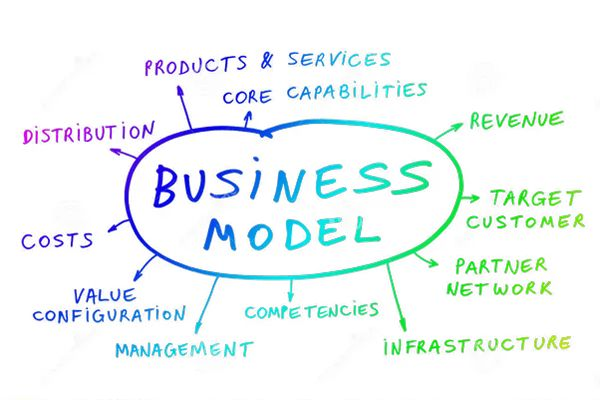
The information given by the AI may be useful, but you still have to understand the environment in which that information will be used.
When Everybody Can Create, Taste Becomes a Weapon
AI has also made creating things dramatically easier. An entrepreneur can produce a proposal in minutes, while someone who has never written professionally can generate an article that appears polished at first glance.
That is useful, but it also changes what counts as impressive. When producing something becomes easy, producing something is no longer impressive by itself.
Look at Nigerian social media and there is no shortage of content. There are podcasts, newsletters, TikTok videos, Instagram carousels, LinkedIn posts and X threads competing for the same limited attention, while thousands of people are offering advice about business, money, productivity and success.
Everybody can create, but not everything deserves to be created. The advantage therefore shifts towards knowing what is actually worth making, publishing or putting in front of people.
That is taste. It means recognising when a design is too busy, when an article is saying plenty without saying anything and when a Nigerian audience will immediately notice that a caption sounds artificial.
Sometimes, taste is also knowing what to remove. More words, more graphics, more slides or more features do not automatically make something better, especially when they distract from the thing people actually care about.
A tailor having access to the same fabric as everybody else does not automatically become the best designer in Lagos. Having Canva does not make everyone a designer, and having ChatGPT does not automatically make everyone a thinker.

The tool reduces the difficulty of producing something, but it does not eliminate the difference between producing something and producing something people genuinely care about. Creation becomes easier; judgement about what deserves attention becomes harder.

The Most Valuable Advantage May Be Being Unmistakably Human
There is another thing AI cannot simply manufacture for you: a perspective people recognise as yours. As AI-generated work becomes more common, polished competence will become easier to reproduce, which means grammatical perfection or professional formatting alone will carry less weight.
A perfectly written email, beautifully arranged proposal or grammatically flawless article may eventually feel ordinary. Even the LinkedIn post beginning with a dramatic personal revelation before delivering five lessons about leadership may become so familiar that people recognise the structure before they finish the first paragraph.
What becomes harder to copy is the person behind the work: your experience, humour, mistakes, relationships and understanding of your community.
Those things shape what you notice, which questions you ask and what you consider important.
Imagine two writers using the same AI tool to research Nigeria's housing problem. One produces a clean article explaining rising rent, inflation and housing shortages, while the other also speaks to people experiencing the problem.
They talk to a young worker in Lagos whose landlord has demanded two years' rent upfront and someone who moved from Lekki to the mainland because rent was swallowing too much of their income.

They meet friends sharing a flat longer than they expected because living alone no longer makes financial sense.
Then they begin to notice that expensive housing affects much more than housing. It changes where people work and how far they commute, but it can also influence when they leave their parents' homes, whether they marry, how much they save and whether leaving Nigeria starts to look more attractive.
Both writers had access to AI, but only one went outside and paid attention. The difference was not access to information; it was curiosity, observation and the willingness to look beyond the obvious explanation.
That difference may become increasingly valuable as AI becomes more common. Curiosity, judgement, taste, relationships, courage, lived experience and the ability to ask questions other people have not thought to ask are becoming more important precisely because machines can handle more of the basic work.
AI can help entrepreneurs, students, journalists and businesses move faster, but speed is useless when you are moving confidently in the wrong direction. The more capable the tool becomes, the more important it is to know where you are trying to go and why.
When everybody has access to the machine, access to the machine stops being the advantage.
That person also understands people beyond what the data says about them. More importantly, they already have something worth saying before opening the chatbot, rather than expecting the chatbot to give them a reason to speak.
If information becomes abundant, judgement becomes more valuable, and if everybody can create, attention becomes harder to earn.
As AI makes it easier for almost anyone to sound intelligent, the real competitive advantage may belong to the person who understands their environment deeply enough to notice what the machine could not have noticed on its own.