What the CLARITY Act Means for You as a Crypto User
Are you a crypto user and have you heard about the CLARITY Act? This article gives an in-depth breakdown of the CLARITY Act debate, what it means for crypto users, and how regulation, stablecoins, and policy decisions shape the future of digital assets.
When people hear of crypto users and conversations around it, they're usually concerned only with charts on forex dashboards, the daily price swings, market volatility, or the anticipation of the next big bull run.
Those things matter, they definitely guide timing, entry, and exit from the market.
But what most people don't realize is that they are not the whole picture. If you are a crypto user—whether a newbie or expert , trader, builder, or even a curious observer, you should actually also be paying attention to policies, proposed laws, and regulatory battles playing out in major economies.
These decisions shape the rules of the game and the outcome of the market long before prices react.
One such decision point is the ongoing debate around the Digital Asset Market CLARITY Act in the United States, a proposed crypto regulation bill that has now hit a significant roadblock.

The Digital Asset Market Clarity Act of 2025 (CLARITY Act) is a U.S. House bill (H.R.3633) intended to create a comprehensive regulatory guideline for digital assets, granting the CFTC primary authority over digital commodities and establishing rules for exchanges, brokers, and anti-fraud/manipulation enforcement, aiming to bring regulatory certainty to the growing digital asset market by defining roles for agencies like the CFTC and SEC.
This Act works as a complementary framework to the GENIUS Act that focuses specifically on regulating payment stablecoins (fiat-backed tokens). Which were both implemented in 2025 but are currently facing debates and critical examinations.
The Crypto Market, Regulation, and the Coinbase–White House Clash

The crypto market has transitioned so fast significantly from a niche, highly speculative, and unregulated space into a more structured, regulated, and professionalized financial ecosystem.
With that series of transitions over the years has come a push for regulation, clear rules that define what crypto assets are, who regulates them, and how companies can legally operate. The CLARITY Act was shown with that agenda to address that need.

At the basis, the bill attempts to clarify which U.S. agency regulates different parts of the crypto ecosystem. The Securities and Exchange Commission (SEC) typically oversees securities like stocks, while the Commodity Futures Trading Commission (CFTC) regulates commodities such as gold and oil.
Crypto assets prior to now have long existed in a neutral zone between these two regulators, leading to enforcement-driven regulation rather than clear legislation.
The CLARITY Act aims to resolve that ambiguity by classifying digital assets based on how they function, setting rules for decentralized finance (DeFi), software developers, and stablecoins.
Stablecoins are cryptocurrencies pegged to traditional currencies like the U.S. dollar and are often used for payments and savings-like functions within crypto platforms.
The controversy erupted when Coinbase, one of the largest crypto exchanges in the world, withdrew its support for the bill’s draft language.
Coinbase CEO Brian Armstrong argued that certain provisions would harm innovation, including clauses that could restrict tokenized equities and limit rewards on stablecoins. His position on the CLARITY Act was blunt: a bad bill, he argued, is worse than no bill at all.

This withdrawal triggered a delay in the Senate Banking Committee’s review, sending crypto-related stocks lower and cooling market momentum.
The White House, meanwhile, pushed back on ethics provisions that would prevent senior government officials from profiting from crypto ventures, adding another layer of political tension.
Coinbase’s refusal to quietly accept unfavorable terms highlights something important: that large crypto firms are no longer passive participants and will fully participate in policy implementation that affects the crypto space.
Large crypto firms can also be active political actors, their decisions influence markets, legislation, and global sentiment and because the United States remains a regulatory trendsetter, its policies ripple outward, affecting exchanges, developers, and users far beyond its borders, including Africa, Asia, and Europe.
What the CLARITY Act Means for Crypto Users
For the average crypto user, legislation like the CLARITY Act may feel distant or overly technical. But its implications are practical and personal.
First, regulation determines access. Clear rules can encourage crypto brokers, wallets, banks, payment processors, and institutional investors to engage with crypto more confidently.

That can increase liquidity, stability, and adoption on the flip side of the coin, poorly designed rules can limit products, reduce yields, and restrict innovation.
One major debate centers on stablecoin yields. Yield-bearing stablecoins allow users to earn returns on their holdings, similar to interest. Banking institutions argue this resembles deposit-taking without bank-level oversight.
Crypto firms argue it is essential for user utility and decentralized innovation. Depending on how this issue is resolved, users may either retain or lose access to certain earning features and benefits.
Second, regulation affects developer freedom. DeFi applications are often built by developers who do not fully control user funds.
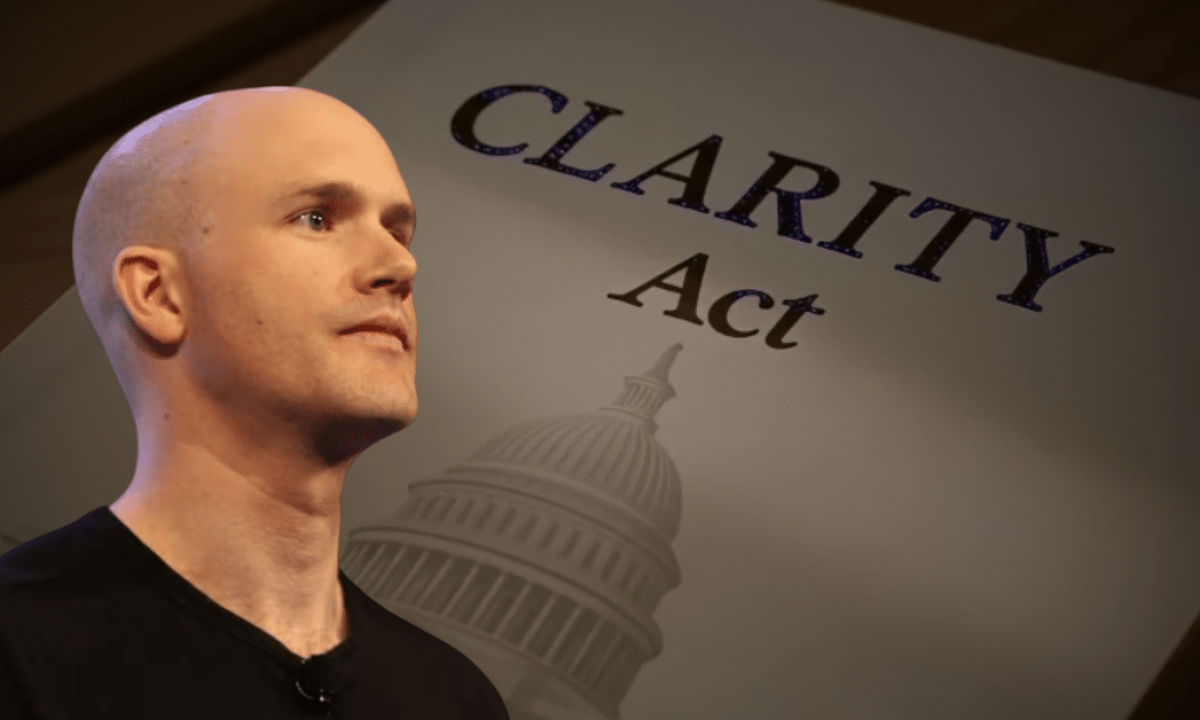
If laws treat these developers like traditional financial intermediaries, innovation could slow, and open-source participation could decline. For users, this means fewer tools, less experimentation, and potentially higher costs.
Third, regulatory uncertainty influences prices. The markets dislike ambiguity. When major bills stall or face internal conflict, investors might pull back. This explains why crypto prices and related stocks reacted negatively when the CLARITY Act was delayed. Even if the long-term vision remains positive, short-term hesitation reflects uncertainty.
Lastly, the CLARITY Act signals that crypto has entered a new phase. The debate is no longer about whether crypto should be regulated, but how and whose interests those rules prioritize.
What to Note and What the Future Holds
The CLARITY Act debate reveals a deeper truth about crypto’s current moment. The industry is no longer fighting for recognition; it is negotiating power and flexibility.
It's a play of accountability, the governments want oversight, traditional finance wants protection, crypto firms want room to innovate and users want fairness, safety, access, and opportunity.

For crypto users, the lesson here is simple but critical: understanding policy is now part of being fully informed about the market. Charts show movement, but laws literally and figuratively shape the direction in some situations.
Regulation will not kill crypto—every sector, firm or institution is regulated—but it will redefine it, it may be slow sometimes but might happen abruptly in other scenarios and unfolding of events.
The future likely holds incremental progress rather than sweeping reform. Bills may stall, re-emerge, and evolve. Enforcement may continue to fill gaps where legislation lags. But one thing is certain: crypto is no longer operating
at the fringes, it is being monitored by everyone.
As a user, this is a moment to pay attention, ask questions, and understand the systems shaping the tools you use.
The next phase of crypto will be built not only on code and markets, but on law, negotiation, and compromise. Those who understand that early will be better positioned for whatever comes next.