Nigerian Men’s Traditional Caps Are Not Just Accessories; They Are Statements of Culture, Status and Identity
Traditional caps worn by Nigerian men are more than fashion accessories; their designs and styles reflect the cultural identities, social structures and traditions of different communities.
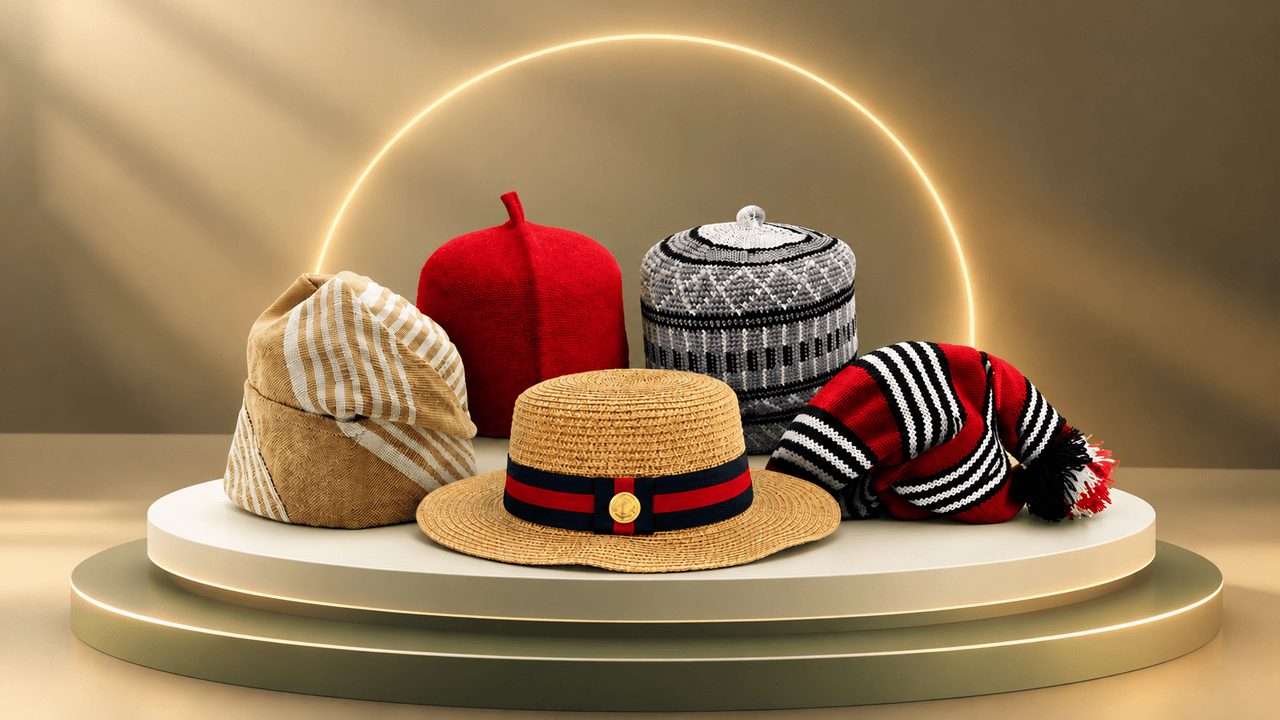
At Nigerian weddings, chieftaincy ceremonies and other traditional gatherings, the cap is often one of the first things you notice about a man's outfit.
It might be a Yoruba fila folded to one side, an Igbo red cap or one of the embroidered caps commonly worn by Hausa men.
These caps do more than complete an outfit. In different Nigerian communities, they have been used to express cultural identity, indicate social standing, show respect and, in certain settings, identify a man's traditional position.
Some are associated with chiefs and community elders, while others are part of everyday dressing. Their materials, designs and even the way they are worn can carry meaning.
Here is a closer look at some traditional caps worn by Nigerian men and what they represent.
1. The Igbo Red Cap: A Symbol of Traditional Authority
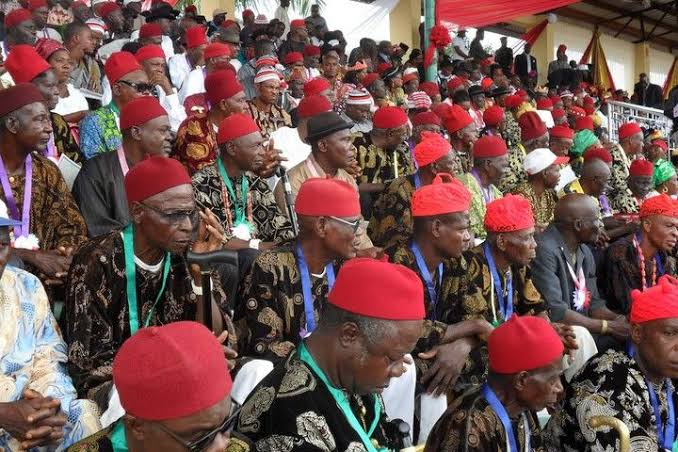
The red cap is one of the most recognisable elements of Igbo men's traditional dressing. Known in Igbo as Okpu Ododo, it is particularly associated with traditional titles, leadership and social standing.
In many Igbo communities, the cap is closely linked to title-taking institutions such as the Nze na Ozo society. Men who have received recognised traditional titles may wear it as part of their ceremonial regalia.
Culture
Read Between the Lines of African Society
Your Gateway to Africa's Untold Cultural Narratives.
It represents an honour and position recognised by the community.
Some red caps are decorated with feathers, beads and other ornaments.
An eagle feather, for example, may indicate a particular level of distinction or traditional standing, depending on the community and the title involved.

However, not every Igbo man wearing a red cap is a titled chief.
2. The Yoruba Fila: More Than an Accessory
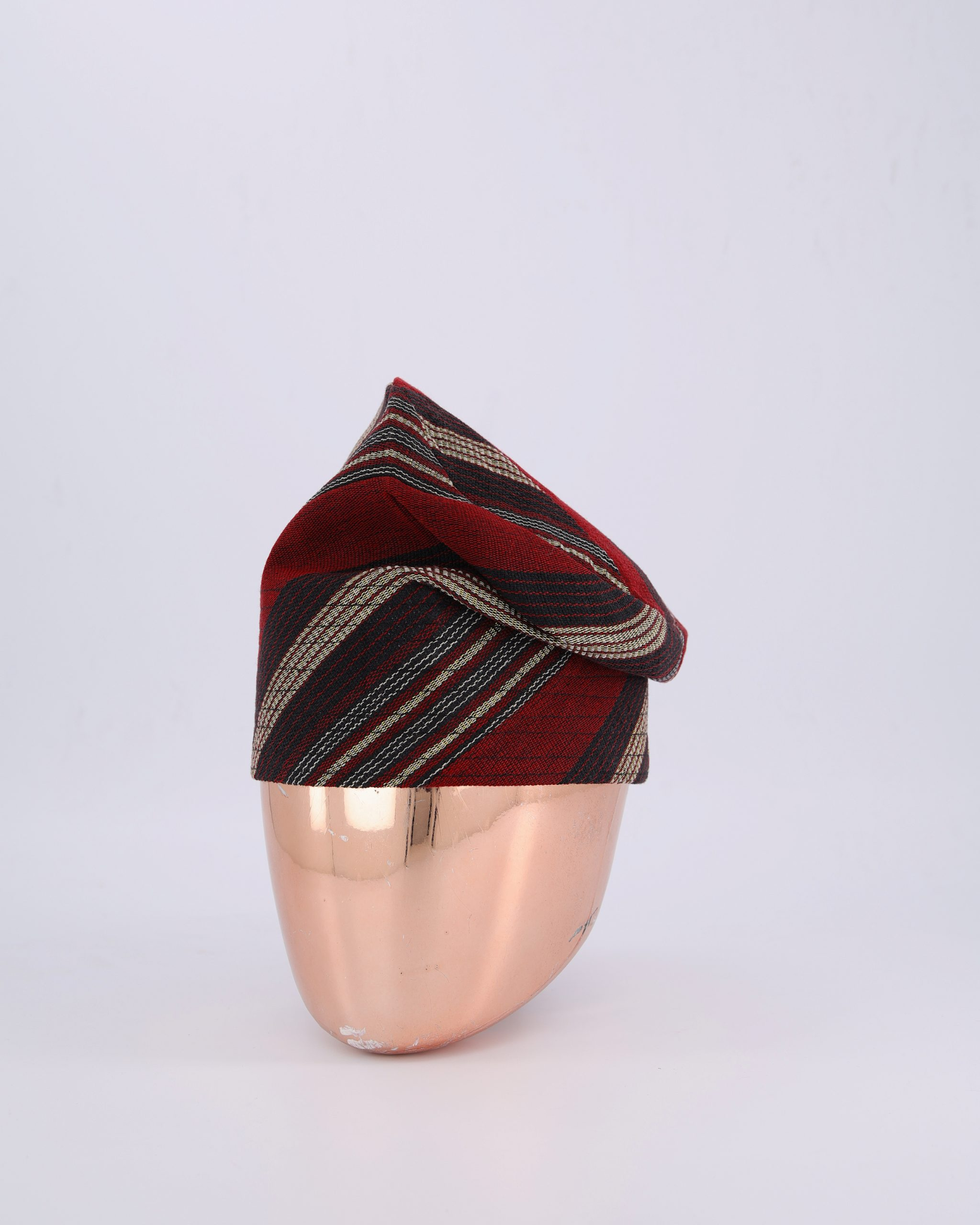
The filais an important part of Yoruba men's traditional dressing. Whether worn with an agbada, buba and sokoto or another native outfit, it gives the ensemble its familiar finishing touch.
Historically, fila has been associated with dignity, social standing, maturity and respect. It is also an expression of Yoruba identity, worn by men across different religious backgrounds.
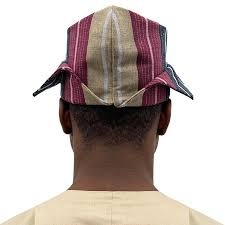
There are several styles, each with its own appearance. The Gobi is a structured cap that can be folded or angled in different directions.
Culture
Read Between the Lines of African Society
Your Gateway to Africa's Untold Cultural Narratives.
The Abeti Aja, whose name means 'dog's ears', has two pointed flaps on its sides. There are also simpler rounded styles, including caps influenced by the Islamic kufi.
The fila is particularly prominent at Yoruba weddings, naming ceremonies, festivals and other occasions where traditional clothing is expected. Its material and finish can also reflect the formality of the occasion, with Aso Oke, velvet and damask among the fabrics used.
Also the direction in which a man tilts his fila indicates whether he is married or single.
3. Hausa Embroidered Caps: Craftsmanship, Religion and Identity
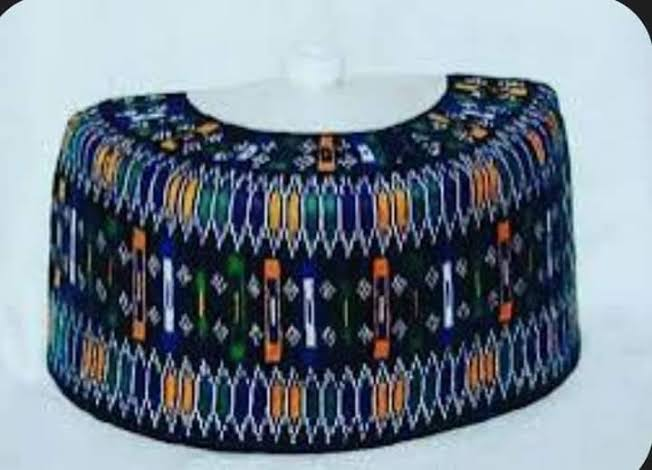
Hausa men's caps are easily recognised by their embroidery. Often worn with a babban riga or a kaftan, they come in different shapes, colours and patterns.
The embroidery is an important part of their appeal.
Some caps feature intricate geometric and curved designs, traditionally worked into narrow-strip cotton fabric. The finished patterns shows generations of textile and embroidery craftsmanship.
Hausa caps are also worn in different social and religious settings.
Culture
Read Between the Lines of African Society
Your Gateway to Africa's Untold Cultural Narratives.
A man may wear one for Friday prayers, a wedding, a family gathering or an important traditional occasion. For many, it is an expression of cultural identity and an appropriate way to dress for the occasion.
There are also different styles associated with particular groups and settings. Names such as Dara, Hular Saki and Habar Kada appear in Hausa cap traditions, while the Zanna Bukar is another widely recognised style.
Some designs are associated with royal households, hunters or traditional occasions.
The materials and patterns have also changed over time, with modern makers introducing new fabrics and finishes while retaining the embroidery that makes the caps distinctive.
4. Okpu Agu: The Striped Cap of Eastern Nigeria
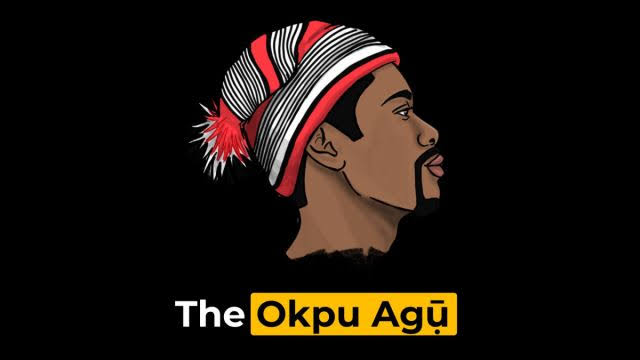
Another distinctive traditional cap associated with eastern Nigeria is the Okpu Agu, commonly identified by its striped and patterned appearance.
Unlike the plain red cap, Okpu Agu features woven patterns in combinations of colours such as red, black, white and blue. It has traditionally been associated with prestige, strength and cultural identity, and has also been worn as part of traditional and ceremonial dress.
The cap is not exclusive to the Igbo. Related forms are found among neighbouring communities. For instance, the Efik and Ibibio have a cap known as Itam Mbong, while the Ejagham (Ekoi) people have a related headpiece called Kojangha.
In some traditions, the way the cap is positioned carries meaning. The direction in which its extended portion falls can be associated with the occasion or activity of the wearer.
Culture
Read Between the Lines of African Society
Your Gateway to Africa's Untold Cultural Narratives.
5. Niger Delta Traditional Hats: A Distinctive Part of Ceremonial Dressing
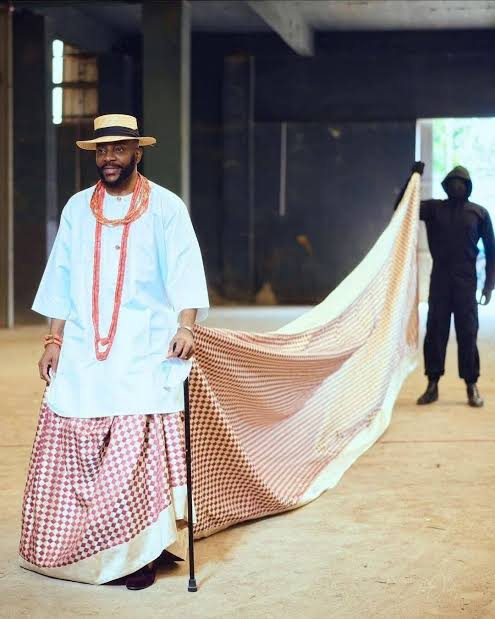
In the Niger Delta, traditional men's dressing also features distinctive hats that help complete the elaborate outfits worn at important gatherings.
Among Ijaw communities, for example, traditional attire can include richly decorated shirts, wrappers, beads and headwear. Some men wear hats with feathers or other ornaments, while top hats and wide-brimmed styles are also seen in parts of the region.
These headpieces are particularly noticeable at weddings, cultural festivals, traditional ceremonies and other formal occasions. Their designs often complement the colours and details of the rest of the outfit.
How Traditional Caps Have Found Their Place in Modern Nigerian Fashion
Traditional caps have remained part of Nigerian men's fashion even as clothing styles have changed.
Today, you can see a Yoruba fila paired with a modern senator outfit, an Igbo red cap worn with a tailored suit-inspired native ensemble, or an embroidered northern cap matched with a contemporary kaftan.
They are also no longer worn only by older men. Younger Nigerians increasingly incorporate traditional headwear into wedding outfits, cultural celebrations and everyday fashion.
There is also more freedom in the choice of fabric, colour and design. Tailors and cap makers now produce different variations to suit individual tastes, while retaining recognisable features of the original styles.
Culture
Read Between the Lines of African Society
Your Gateway to Africa's Untold Cultural Narratives.
Still, it helps to understand what you are wearing. A cap associated with a particular traditional title or ceremony may carry expectations that go beyond fashion.
Knowing the difference allows you to appreciate the heritage behind it rather than treating every cap as just another accessory.