What If Loving Africa Meant More Than Ankara, Afrobeats, Jollof, Flags and Social Media Pride?
African pride is everywhere in our fashion, food, music and social media. But what happens when loving Africa requires participation, accountability and action?
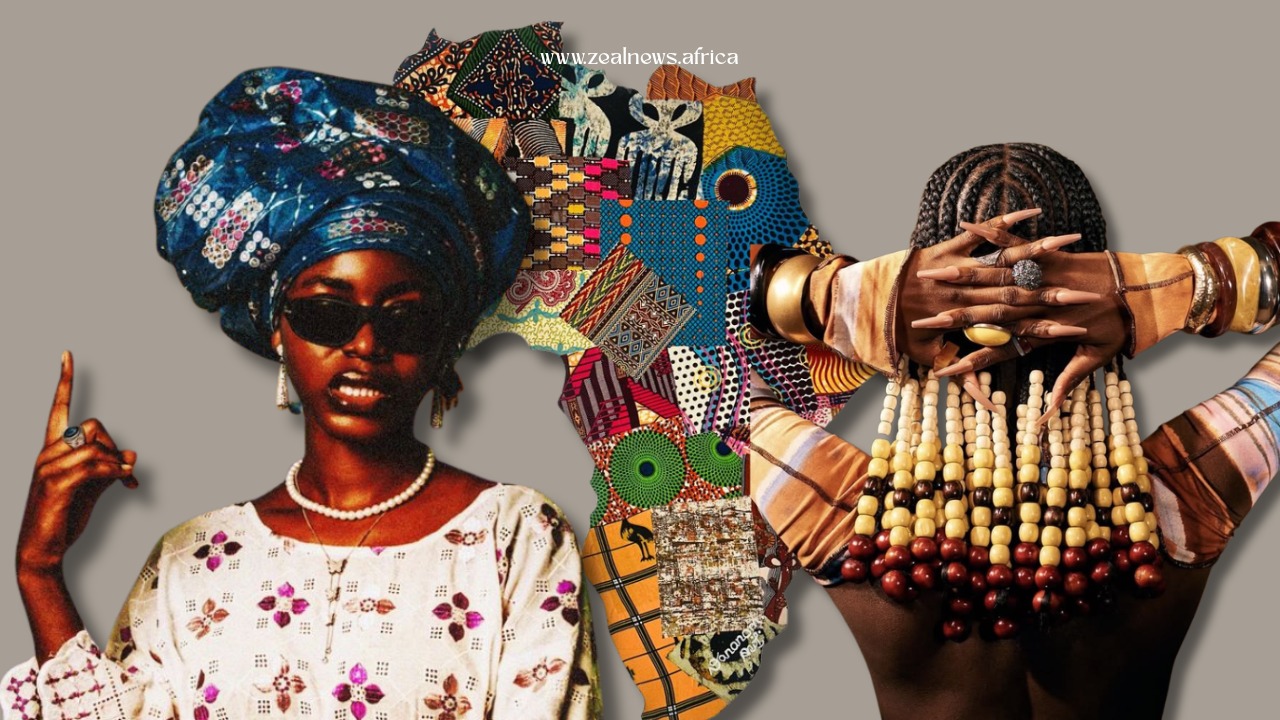
Imagine a woman in London wearing an Ankara jumpsuit to Notting Hill Carnival every August. She posts it with a caption about heritage and pride, about carrying her roots wherever she goes, and the likes climb into the thousands.
Somewhere around that same time, an election happens back home. She barely knows the candidates, what they are promising or what their records say, but she knows the print and exactly which market in Lagos it came from.
This is not an attack on her. Many of us live some version of this contradiction.
We have learned to love Africa the way you can love a photograph of someone without fully knowing the person standing in front of you. We know the continent's colours, music, food and fabric; we know Africa as a feeling, but not always as a place with budgets, ballots, public hospitals, taxes and broken pipes that someone has to fix.
Ask enough young Africans what makes them proud and familiar answers emerge: the jollof, the weddings, the fashion, the football, the music conquering global charts and African artists filling arenas thousands of kilometres from home. All of that pride is real, and none of it is wrong.
But much of it asks very little of us.
You can stream the culture, wear it, photograph it and post it without ever asking what it takes to improve the city where that culture was born. Loving African culture and taking responsibility for African societies are not quite the same thing.

The Africa We Love To Show The World
Social media has rewarded a particular kind of African pride: the kind that photographs beautifully.
Traditional clothes at a wedding, a sunset over the savannah,a perfectly arranged plate of food, and a flag emoji beneath an Afrobeats video.
You can post jollof rice and watch people argue cheerfully about which country makes it best. Posting about an unexplained local-government project, an abandoned health centre or money allocated to a road that was never completed is a very different kind of engagement.
There is a difference between representing a culture and reckoning with a country.
Representing may require taste and attention. Reckoning can demand time, knowledge, persistence and sometimes the willingness to become unpopular.
The problem begins when the aesthetic version starts standing in for the real thing.
A young man can wear a dashiki to a diaspora event, speak proudly about his roots and still know nothing about why the hospital in his hometown struggles to provide basic care.
Social Insight
Navigate the Rhythms of African Communities
Bold Conversations. Real Impact. True Narratives.
He is not necessarily lying when he says he loves Africa; he may simply have never been asked to define that love beyond identity.
The Africa We Leave Out
Africa can become easier to romanticise from a distance.
From abroad, home can become a WhatsApp status, a nostalgic playlist, childhood food, familiar slang and somewhere visited during Christmas with a camera ready.
Up close, the picture is more complicated. There can be potholes, unreliable electricity, unemployment, corruption, bureaucratic frustration, insecurity and institutions that fail people at precisely the moment they need them.
So people leave.

And leaving should not be treated as betrayal. Migration is often a rational response to limited opportunities, and nobody should be shamed for choosing safety, stability or a better future for their family.
Many Africans abroad also remain deeply connected to home. They send money, support relatives, invest in businesses, finance education, contribute ideas and defend the continent fiercely when it is reduced to stereotypes.
But love should still permit a harder question: What does our connection demand beyond nostalgia?
Do we understand what governments back home are doing? Do we follow public policy? Do we know who represents the communities our families live in? Do we support credible organisations trying to improve those places?
Voting is part of that conversation, but it cannot be demanded equally of every African abroad. International IDEA's Voting from Abroad Database shows that external voting arrangements differ significantly across African countries, with some citizens still unable to cast ballots from overseas.
That makes the responsibility broader than voting.
It can mean supporting credible civic organisations, following legislation, questioning public spending, helping relatives make informed electoral choices, investing responsibly, supporting independent journalism or using professional expertise to strengthen institutions at home.
Citizenship does not end at the polling booth, and neither does responsibility.
There is another uncomfortable word we should examine: resilience.
Africans are praised constantly for being resilient. Sometimes that praise is deserved, but resilience should not become an aesthetic either.
Social Insight
Navigate the Rhythms of African Communities
Bold Conversations. Real Impact. True Narratives.
People surviving failing institutions can be admirable. The more important question is why they were required to become so resilient in the first place.
What Love Beyond the Aesthetics Could Look Like
Real love for a place often looks remarkably ordinary.
It looks like paying the people who work for you fairly rather than the lowest amount desperation allows. It looks like supporting competent local businesses and creators without bargaining their livelihoods into the ground.
It means paying attention to what governments spend.
Budgets are boring until you understand that budgets decide whether hospitals receive equipment, whether classrooms are built, whether roads are completed and whether communities get water. Loving a country should sometimes mean reading past the headline and asking where the money went.
It looks like mentoring one younger person instead of only reposting motivational quotes about Africa's next generation.
It looks like participating where participation is available: voting, attending community meetings, contacting representatives, supporting civic groups, reporting wrongdoing and joining others around issues that affect their communities.
That idea is not theoretical. Afrobarometer's research on citizen engagement tracks Africans participating through elections, community meetings, collective action, contacting local leaders and protest, while also finding important generational differences in participation.
It also means refusing selective outrage.
A corrupt politician should not become acceptable because he speaks your language, comes from your region, worships where you worship or carries the political party card you carry.
Accountability that only applies to your opponents is not accountability.
The African Charter on Democracy, Elections and Governance itself places citizen participation, transparent administration and the rejection of corruption among the principles necessary for democratic governance.
None of this is glamorous.
Nobody poses beside a spreadsheet after checking a local council's expenditure. There is no fashion trend built around attending a community meeting, and reading a procurement document is unlikely to improve anyone's Instagram engagement.
But this is the difference between loving a place and loving only the idea of it.
Social Insight
Navigate the Rhythms of African Communities
Bold Conversations. Real Impact. True Narratives.
One asks relatively little beyond appreciation. The other asks you to participate, question, contribute and occasionally sacrifice convenience for a society that may never personally thank you.
Maybe the real question is not whether Africans love Africa.
Clearly, millions do — loudly, creatively and sincerely.
The harder question is whether that love can survive being asked to do something.
Whether it can outlast the Ankara, the Afrobeats playlist, the flag in the bio, the December holiday, the caption and the carefully framed photograph.
Whether it can still exist when loving Africa means reading something boring, challenging someone from your own side, paying someone fairly, supporting a community project, asking where public money went or standing in a long queue to vote when you have the legal opportunity to do so.
That is where love becomes more than identity.
Everything before that might just be good lighting.