What If Africa’s Most ‘Ordinary’ Cultural Practices Are Actually Our Superpowers?
Have you ever thought that African practices are ordinary? Read how those “Africa’s ordinary’’ cultural practices shaped communal living, rituals, storytelling, food culture, and even formed identity systems. They might actually be the continent’s hidden superpowers subtly shaping the future of global culture.
Introduction — The Hidden Power in the Ordinary
What if the cultural habits we treat casually, our greetings, our communal living, our food rituals, our festivals, our storytelling traditions are not “ordinary” at all, but Africa’s most underrated form of intelligence? What if the very things we take for granted were the building blocks of morality, customs, lifestyle and life’s unwritten compass, shaping the generations before us in ways we rarely pause to acknowledge? Africa’s everyday traditions hold social, emotional, economic, and philosophical power that the world is only beginning to understand. For centuries, these quiet systems of behaviour existed beneath global visibility, yet they have produced societies that know how to share, how to survive, how to remember, and how to rebuild.
Have you ever thought about it? Lets sit down and ponder on the deliberate shift that happens everyday from seeing the African culture everyday, not as noise or overbearing but seeing it as a set of sophisticated survival ways. It's time to look again at what we have always known. Let's rethink the ordinary together and question why we overlook what has kept us whole, and to understand that these habits are not archaic but foundational.
The Communal Mind — How ‘Togetherness’ Has Always Been Africa’s Superpower
Across the continent, the idea of community is not an event; it is a worldview. From the Ubuntu philosophy in Southern Africa to the extended family systems of West Africa, from village upbringings to age-grade associations, from cooperatives to the shared living structures of the Maasai in Kenya and the Fulani in their communal nomadic cycles, Africa’s togetherness has always been more than social behaviour. It is a system of resilience, a form of collective intelligence crafted through generations of lived experience.
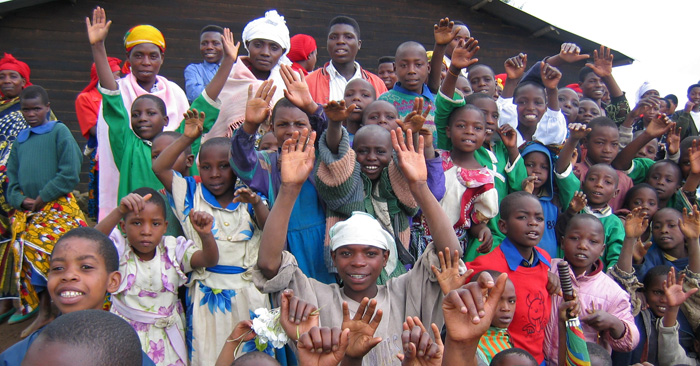
This mode of living contrasts sharply with hyper-individualistic Western lifestyles, where independence is prized more than interdependence and where people increasingly struggle with loneliness, isolation, and disconnection. Today, the world is battling a mental health crisis, and ironically, the solutions point back to Africa’s emotional ecosystems, the support systems that ensure no one carries life’s burdens alone. The aunties who step in as mothers, the neighbours who become extended family, the community elders who mediate disputes, and the social networks that respond instantly in moments of crisis have always been Africa’s quiet armour.
Communalism creates stability. It resolves conflict faster than any legal system. It spreads food security through shared farming and food-sharing rituals. It cushions grief, redistributes happiness, and ensures emotional survival. This is not a stereotype; it is a strategic advantage. And when examined closely, it becomes clear that togetherness is not simply cultural, it is a superpower the world desperately needs to relearn.
Rituals, Rhythms, and Memory — The Cultural Practices That Built Intelligence
Africa’s cultural activities are often dismissed as “too much,” “dramatic,” or “old-fashioned,” yet these practices built entire systems of intelligence. Consider the greeting culture of the Yoruba people of Nigeria, so detailed and intentional that time of day, occasion, age, and status influence how respect is expressed. Consider the Ashanti people of Ghana and their deep reverence for royalty and structured hierarchy, a reflection of their sophisticated statecraft. Consider the Zulu people of South Africa and the communal rites, dances, and festive rituals that mark maturity and identity. These traditions are not performative. They are psychological training grounds.
They sharpen emotional awareness, teach social cues, reinforce discipline, and build confidence. The rhythms of drumming in festivals and events developed coordination and community synchrony. Call-and-response systems teach instant communication and collective breathing. Storytelling preserved memory, passing history from tongue to ear with precision long before written archives existed. Market haggling teaches arithmetic, negotiation, and economic intelligence to children before they can read. Apprenticeship systems established entrepreneurial ecosystems centuries before MBA programs existed anywhere in the world. These young people learned not just skills but resilience, customer relations, creativity, and craftsmanship, qualities that today’s job market celebrates as innovation.
Even the older generation appears more proactive, grounded, and socially intelligent because they grew up fully engaged in these activities. Their minds were trained in community, rhythm, discipline, and storytelling. Modern neuroscience now celebrates the very things African culture has always done, movement, memorization, coordinated activity, intergenerational bonding, as tools of strong mental and emotional development. Global institutions increasingly recognise indigenous knowledge systems as valuable archives of practical intelligence, yet many Africans are abandoning the very systems the world is studying with curiosity.
How African Lifestyle Practices Are Models for the Future
Africa’s lifestyle practices carry a wisdom that modern society is only starting to appreciate. From our relationship with food to our philosophies of living, many elements we once labelled old-school or backward are emerging as blueprints for future systems. In a world drowning in processed foods, Africa’s farm-to-table traditions, natural ingredients, community farming, and food-sharing rituals are becoming global standards for sustainability and wellness. Eating fresh foods, unprocessed meals, and locally grown produce may not have been a deliberate health system, but perhaps, just maybe, this is part of the reason people lived longer and healthier lives in previous generations. This is not a fact but an observation, one worth thinking about as the world questions genetically modified foods and chemical preservation.
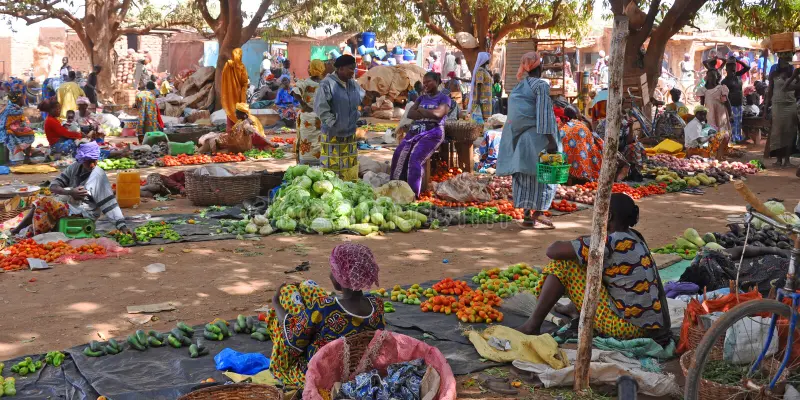
African diets have long included fermented foods that science now praises for gut health, spices with anti-inflammatory properties, and plant-based meals that support longevity. The communal eating culture promotes bonding and emotional well-being, reducing the sense of isolation common in highly industrialized societies.
Festivals, rites of passage, and cultural celebrations also serve as more than colourful gatherings. They strengthen identity, provide healing, maintain social order, regulate emotions, and stimulate local economies. These practices slow life down, create meaning, and build memory. Today, global culture is shifting toward slow living, mindfulness, wellness, sustainability, and cultural preservation, the very lifestyle Africa has quietly lived for centuries. What was once dismissed as simple is now recognized as sophisticated, sustainable, and future-oriented.
What the World Is Now Learning And What Africa Must Not Forget
The renewed global fascination with African fashion, food, spirituality, music, sustainability models, and community living is not coincidental. It is proof that Africa’s “ordinary” is becoming the world’s trend. From Afrobeats influencing global music to African prints appearing on international runways, from African spiritual philosophies entering wellness conversations to African farming methods being studied for climate resilience, the world is acknowledging something many Africans overlook.
But there is a risk: the danger of abandoning these strengths in pursuit of modernity. The pressure to appear Westernised makes many young Africans discard old wisdom, forgetting that modernity does not require erasure. What is needed is revaluation and modernization, adapting traditions, not burying them. If Africa abandons its superpowers while the world studies them, then we lose twice, our identity and our advantage.
Culture
Read Between the Lines of African Society
Your Gateway to Africa's Untold Cultural Narratives.
The future may be digital, but identity is analogue. Everything that makes us human is rooted in memory, culture, connection, and practice. Africa’s real superpower is understanding how to live, how to connect, and how to survive, something much of the world is beginning to forget.
Conclusion — The Ordinary Has Never Been Ordinary
To see Africa’s everyday culture as ordinary is to underestimate ourselves. These traditions shaped civilizations, held communities together, built emotional intelligence, and protected identity. They have always been the silent force behind our resilience. Perhaps, if the world is now searching for meaning, Africa should look inward, because everything we treat as ordinary might just be our greatest gift.