What Happened to The Teju Babyface Show? The Rise and Disappearance of a Nigerian TV Classic
What happened to The Teju Babyface Show? Discover why Nigeria's beloved talk show disappeared in 2014, the story behind its rise, and the legacy Teju Babyface left on Nigerian television.

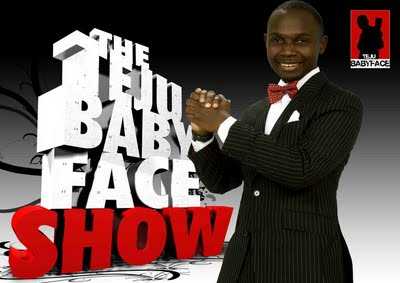
A man in a sharp suit and a neatly tied bow tie leans into the camera, flashes that unmistakable grin, and says the words that once made an entire generation of Nigerian households drop what they were doing: "This is the Teju Babyface Show."
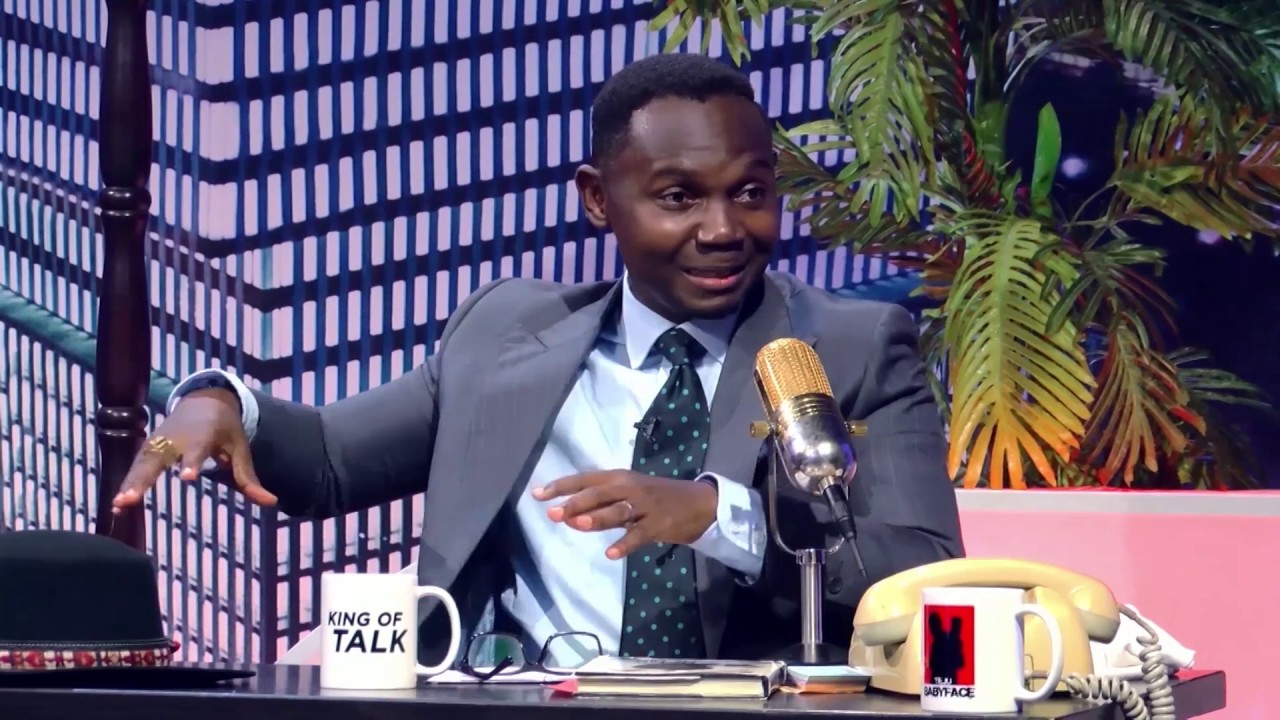
Image credit: YouTube
For a certain generation, those nine words are like a time machine. They suddenly bring back Sunday evenings where everyone is huddled around the box television with that particular aroma of jollof rice coming from the kitchen and a full house roaring in laughter because Teju Babyface was on.
Then, sometime in 2014, it just stopped. There was no dramatic finale, no farewell season or an explanation that satisfied anyone. One day, the show was simply gone and an entire generation was left asking a question that still lingers today: what actually happened to The Teju Babyface Show?

Who Is Teju Babyface? From Nollywood Bit Parts to Nigeria's King of Talk
Before he was a household name, Gbadewonuola Olateju Oyelakin was just another young man with a theatre spirit at the University of Lagos. He joined the university's theatre group and appeared in campus stage productions.
His break came in 1998, when veteran director Tade Ogidan cast him in Diamond Ring. A few years later, he shared the screen with Richard Mofe-Damijo in Amaka Igwe's Solitaire.
But he wasn’t an actor alone. Teju did stand-up comedy and MC gigs,literally chasing whatever paid the bills while sharpening the wit that would later become his signature.
It was that same restless hustle and the refusal to be boxed into one lane that eventually led him to television hosting, and to the idea that would make him a legend: an interview show built in the mould of the American late-night greats but unmistakably Nigerian in spirit.
The Birth of a Nigerian TV Classic
In 2010, Teju Babyface launched The Teju Babyface Show, and Nigerian television had genuinely never seen anything like it. It was modelled loosely on the format of Western talk shows but seasoned generously with local humour and an unmatched warmth. The show quickly earned Teju the title "The King of Talk."
He sat across from actors, musicians, politicians and everyday achievers, coaxing out stories with a mix of comic timing and genuine curiosity that made even the stiffest guest loosen up.
For many Nigerian millennials, it was their first real introduction to the idea that a homegrown production could feel as polished, as funny and as culturally significant as anything coming out of American late-night television.
Inside the Show Everyone Grew Up Watching
Ask anyone who came of age in Nigeria in the early 2010s about The Teju Babyface Show, and you will get an instant, nostalgic smile. There is the bow tie, the theme music and the way Teju could disarm a guest with one well-placed joke and then pivot into a genuinely moving conversation about ambition, failure or faith.

It filled a gap nobody knew existed. Nigerian television had newscasters, soap operas and music countdowns, but it did not have a charismatic and comedic everyman inviting the country's biggest names to simply talk.
Culture
Read Between the Lines of African Society
Your Gateway to Africa's Untold Cultural Narratives.
Teju Babyface built that space from nothing, and for a few golden years, it felt like Nigerian TV had finally arrived at its own version of a late-night institution.
The Sudden End: What Really Happened to The Teju Babyface Show?
And then, in 2014, it stopped. There was no dramatic exit or a viral controversy; it just had an abrupt pause that left loyal viewers confused.
Years later, Teju offered an explanation, describing a conversation with a television executive in Kenya that made him rethink how the show was being run. He came to believe that a production of that scale was never meant to be sustained by an independent producer working alone.
He called it something of an industry anomaly and said the team needed to pause and re-strategise rather than keep pushing forward on an unstable model.
In other words, the show was not killed by scandal or falling ratings. It was undone by the quiet, unglamorous problem that ends so many independent African media projects: the business behind the brilliance simply could not keep up with the ambition driving it.

The Nigerian Jimmy Fallon We Never Got to Keep

It is hard not to wonder what could have been. In another industry, with steadier funding and stronger institutional backing, The Teju Babyface Show could easily have grown into Nigeria's answer to The Tonight Showwith a decades-long experience in its sleeves, still culturally relevant today. Instead, it became a beloved memory instead of a living legacy.
That is perhaps the real tragedy of The Teju Babyface Show. It was not that it failed. It was that it succeeded so completely, at capturing a nation's attention and at proving Nigerian talk television could work, that its disappearance still feels like an open wound for the generation who grew up on it.
Teju Babyface has since moved into podcasting and mentorship, still telling stories in his own way. But for those of us who remember the bow tie and that opening line, nothing has ever quite filled the gap that was left behind.