Zambian Police Drawn Into Binwell Mpundu Viral Video Row as Politician Claims AI Manipulation
A viral video featuring former Nkana MP Binwell Mpundu, where he allegedly threatened election violence, has prompted a police investigation and public concern. Despite the opposition's claim of AI fabrication, technical experts have debunked the deepfake theory, intensifying pressure on Mpundu and calling for political accountability ahead of Zambia's 2026 elections.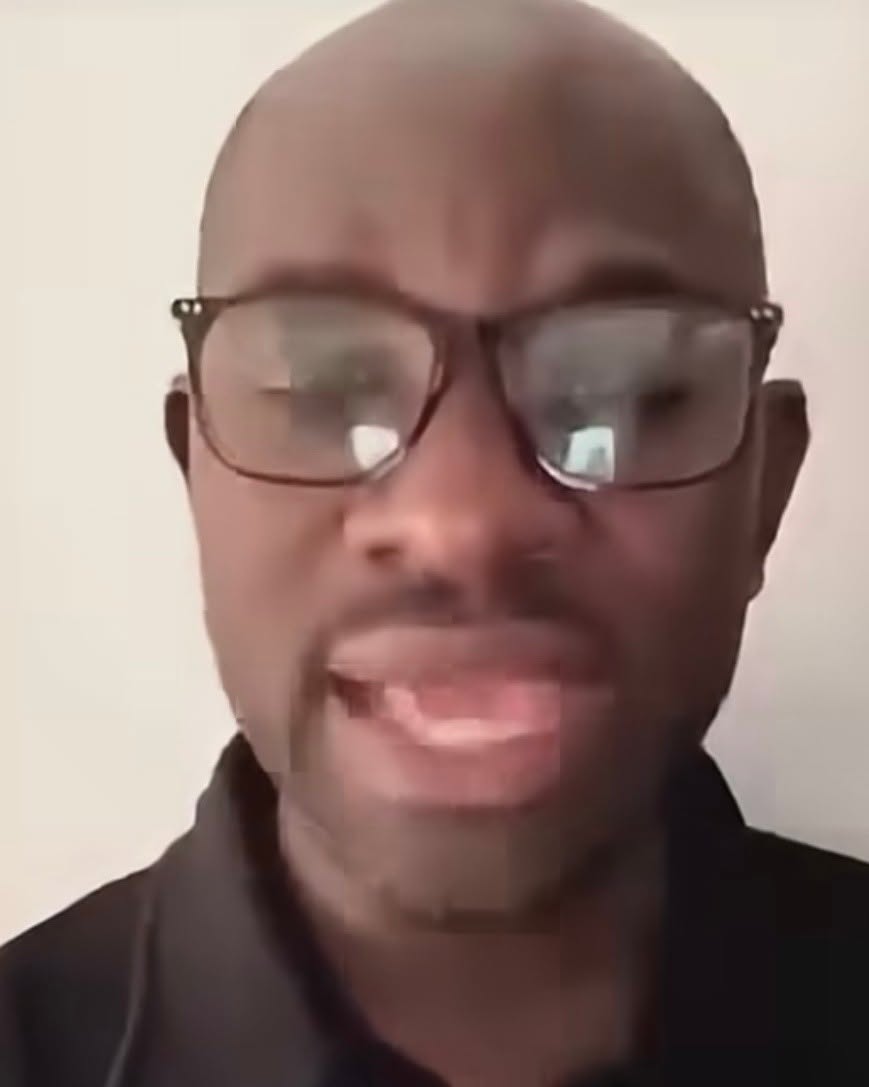
Zambian police have been drawn into a controversy surrounding former Nkana Member of Parliament Binwell Mpundu after a video allegedly showing him making violent remarks ahead of the country's general election circulated online.
The video, which reportedly appeared on Mpundu's Facebook page, allegedly shows the politician saying he was prepared to "die or kill" ahead of the election. The remarks have raised concerns about political tensions as Zambia approaches the polls.
Democracy Advocates for Good Governance Executive Director Fabian Mutale has formally reported Mpundu to police over the video, arguing that statements of that nature could encourage violence and create fear among voters. .
Mutale described the alleged remarks as dangerous, saying political leaders have a responsibility to promote peaceful participation rather than language that could inflame tensions.
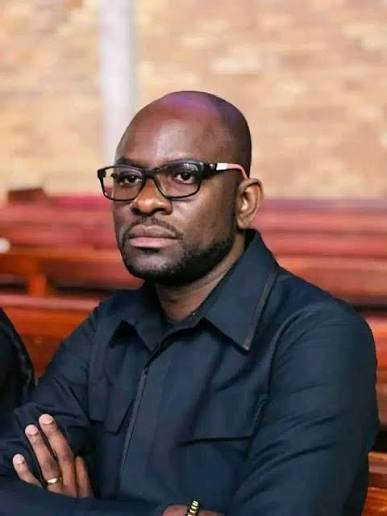
He also urged police to investigate the circumstances surrounding the video and take appropriate action if any offence is established.
Mpundu, however, has disputed the authenticity of the footage.
In a response posted online, he claimed the video was generated using artificial intelligence and said he had lost access to his Facebook account after it was allegedly compromised by a hacker. .
His explanation introduces another increasingly difficult question for African politics: how authorities and the public should determine the authenticity of controversial digital content at a time when AI-generated video and audio are becoming easier to produce.
At this stage, there is no independently verified evidence establishing that the footage was AI-generated, and claims that the video has been conclusively authenticated should therefore be treated cautiously.
Mpundu is a prominent political figure in Zambia's Copperbelt Province. He won the Nkana parliamentary seat as an independent candidate in the 2021 election, according to official Electoral Commission of Zambia results.
The controversy comes at a particularly sensitive moment for Zambia, with political parties and candidates preparing for the 2026 general election.
For police, the immediate issue is whether the content warrants further investigation. But the dispute also points to a much bigger challenge: as AI-generated material becomes increasingly convincing, distinguishing genuine political statements from manipulated content could become an important part of protecting the credibility of African elections.