US Unleashes Economic Warfare: Iran's Top Crypto Exchange Hit by Treasury Sanctions
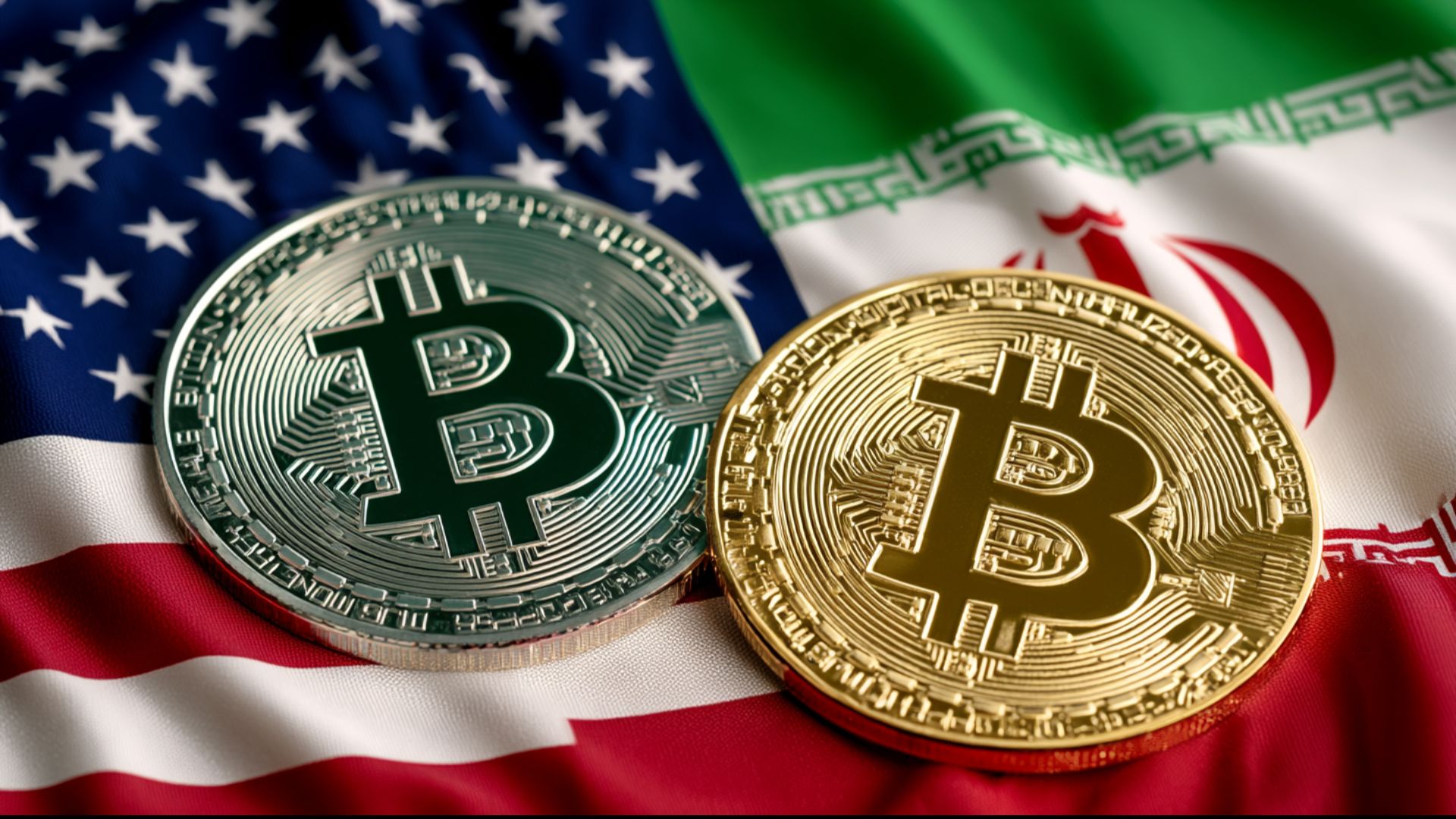
The U.S. Department of the Treasury’s Office of Foreign Assets Control (OFAC) has initiated a significant escalation in the Trump administration's maximum pressure campaign against Iran, designating Nobitex, the country’s largest digital asset exchange, alongside three other prominent Iranian crypto platforms. This action represents the sharpest blow yet aimed at Tehran’s digital financial infrastructure, underscoring persistent U.S. concerns about Iran's use of digital currencies for illicit activities.
Nobitex, as highlighted by OFAC, processed over 50% of all Iranian digital asset inflows in 2025. The exchange has been identified as a critical conduit for financial transactions linked to Iran’s Islamic Revolutionary Guard Corps (IRGC), various ransomware operations, and attempts by the regime to safeguard its wealth during internet blackouts, particularly those following U.S. combat operations in Iran. This designation extends beyond just Nobitex, targeting other key players in Iran’s crypto ecosystem.
Wallex, Iran’s second-largest crypto exchange by volume, also faced designation. In 2025, Wallex reportedly received 12% of all Iranian digital asset inflows and played a role in facilitating IRGC-linked transactions. Bitpin, which accounted for 10% of these inflows, is notable for having investors with reported connections to Iranian sanctions evasion efforts. Furthermore, Ramzinex, a Tehran-based exchange established in 2018, was found to have processed more than $2.45 billion in total transactions, including payments for an Iranian financial institution backed by the government.
Treasury Secretary Scott Bessent emphasized the severity of the situation, stating that Iran’s economy is in "free fall" and that the regime has deliberately co-opted digital asset technologies for its "corrupt agenda." This agenda, according to Bessent, includes evading international sanctions and facilitating the transfer of wealth out of the country, thereby confirming the effectiveness of the administration's maximum pressure strategy.
The U.S. government has long expressed concerns regarding the scale of Iran’s crypto shadow economy, which national security officials estimate to be roughly $7.8 billion. Blockchain analytics firm Elliptic has further substantiated these concerns by linking Nobitex to a network of wallets and behaviors consistent with IRGC financial activities. Recent actions underscore this vigilance, with Tether freezing $344.2 million in April 2026 across two wallets attributed to the Central Bank of Iran—wallets known to have ties to the IRGC-Qods Force and Hizballah. TRM Labs described this as the largest on-chain freeze of Iranian sovereign crypto reserves on record. Secretary Bessent also revealed that the U.S. has cumulatively seized approximately $1 billion in Iranian cryptocurrency.
A distinctive feature of this latest round of sanctions is the explicit designation of Nobitex’s leadership, signaling a strategic pivot towards holding individuals accountable. OFAC named Amir Hossein Rad, the exchange’s chairman, co-founder, and former CEO, for his role in re-establishing Nobitex’s operations after a $90 million hack in June 2025. Also targeted were two co-founders identified as members of the influential Kharrazi family, known for its connections within former Supreme Leader Khamenei’s inner circle, along with the exchange’s current CEO, Seyed Ali Khoee. Analysts suggest this strategy carries greater deterrent weight as it directly threatens executives with personal asset freezes and exposure to secondary sanctions, moving beyond merely targeting platforms.
To enforce these measures, the Treasury Department invoked two key executive orders: E.O. 13224, a counterterrorism authority, and E.O. 13902, which specifically targets persons operating within Iran’s financial sector. Both designations result in identical consequences: all U.S. property interests of the named entities and individuals are blocked. Moreover, any foreign company or financial institution that continues to engage in business with these designated parties risks exposure to secondary sanctions. This action will compel compliance professionals across the industry to reassess their interactions, as an explicit SDN (Specially Designated Nationals) designation triggers secondary sanctions against any global counterparty and provides clear legal justification for stablecoin issuers to implement bulk freezes of associated funds. The Treasury has also issued warnings against any person or company facilitating passage payments through the Strait of Hormuz—whether in fiat, digital assets, or informal swaps—highlighting potential sanctions. On May 27, 2026, OFAC specifically designated Iran’s "Persian Gulf Strait Authority," an IRGC-linked initiative aimed at extorting international shipping.
Recommended Articles
Progressive Powerhouses Sanders & Warren Demand End to Bitcoin 401(k) Rule
Senators Bernie Sanders and Elizabeth Warren are urging the Trump administration to withdraw a rule allowing cryptocurre...
Unveiling the Legacy: The Saga of Physical Bitcoin's Past and Future
The quest to create physical Bitcoin has seen various innovations, from Casascius Coins to Opendimes and Satodimes, each...
Billionaire Bitcoin Backlash: Mark Cuban Sells Most of His Holdings, Slams Crypto as 'Failed Hedge'
Billionaire investor Mark Cuban has divested from most of his Bitcoin holdings, articulating his disillusionment with it...
SpaceX Unveils $1.45 Billion Bitcoin Treasury Ahead of Blockbuster IPO

SpaceX's S-1 filing reveals the Elon Musk-led company holds 18,712 Bitcoin, valued at approximately $1.45 billion, makin...
Washington's Bitcoin Gambit: Bipartisan Bill Seeks to Cement Strategic National BTC Reserve
Representative Nick Begich has introduced the American Reserve Modernization Act (ARMA) to establish a permanent U.S. st...
You may also like...
RuPaul Movie Director Fiercely Denies AI Claims: 'Every Shot By Human Hands!'

Director Adam Shankman has vehemently defended his new film “Stop That Train” against recent social media accusations cl...
Music Legend Peabo Bryson, Voice of Disney Classics, Passes Away at 75

Grammy-winning singer Peabo Bryson, known for his legendary love songs and iconic Disney duets, has passed away at the a...
Toyota Unleashes 2027 GR86: A Symphony of Shifter Feel and Raw Power!

Toyota has unveiled the 2027 GR86, focusing on refined driver connection through enhanced throttle response and improved...
BMW M2 xDrive Drops Jaws: 2027 Model Gains AWD, Keeps Legendary Drift Prowess!

BMW is finally bringing its M-tuned xDrive all-wheel-drive system to the 2027 M2, offering enhanced all-season performan...
Progressive Powerhouses Sanders & Warren Demand End to Bitcoin 401(k) Rule
Senators Bernie Sanders and Elizabeth Warren are urging the Trump administration to withdraw a rule allowing cryptocurre...
US Unleashes Economic Warfare: Iran's Top Crypto Exchange Hit by Treasury Sanctions
The U.S. Treasury has imposed new sanctions on Iran's largest digital asset exchange, Nobitex, and three other platforms...
Yoco Unleashes AI Power for African SMEs with Strategic Dyner Acquisition

South African fintech Yoco has acquired Dyner.ai, an AI-powered software platform, to expand beyond payments into compre...
FairMoney Ignites Nigeria's Mobility Sector with Asset Financing Boom

FairMoney, a Nigeria-based digital bank, has launched an asset financing product aimed at empowering transport operators...