Ukraine Uprising: Protesters Reject Wartime Elections Amid Fedorov Support
Ukraine’s wartime election debate deepens after former Defence Minister Mykhailo Fedorov calls for elections, drawing rejection from protest leaders and Zelenskyy’s government.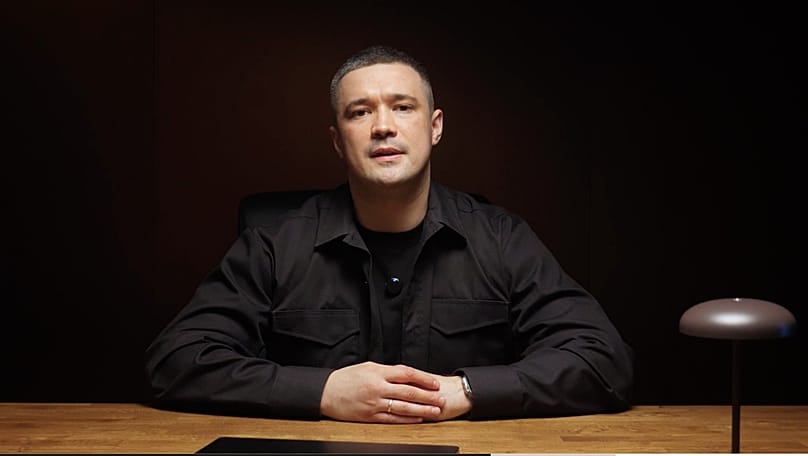
A recent call for wartime elections by former Ukrainian Defence Minister Mykhailo Fedorov has been met with staunch rejection by the very protest movement that spent the last month campaigning for his return to office.
This unexpected development occurred when Fedorov delivereda video address on Tuesday evening, marking a significant turn for the movement which had rallied behind him since his dismissal by President Volodymyr Zelenskyy in a mid-July wartime government reshuffle.
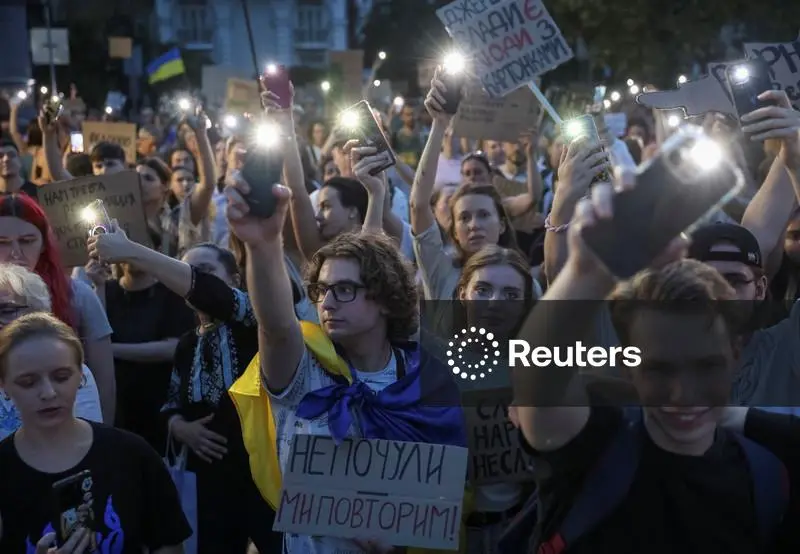
Leading organizers of the protest have firmly opposed the notion of holding elections during the ongoing conflict with Russia. This effectively signaled an end to the daily demonstrations that had been a prominent feature of the Ukrainian political landscape.
Dmytro Koziatynskyi, a Ukrainian war veteran and one of the principal architects of the protest movement, explicitly articulated his opposition on Wednesday evening.
Writing on X, Koziatynskyi stated, "I view elections during wartime negatively," expressing grave concerns about the practicalities of such an undertaking. He questioned how it would be "technically enable thousands of soldiers currently on the front lines to vote and run for office."
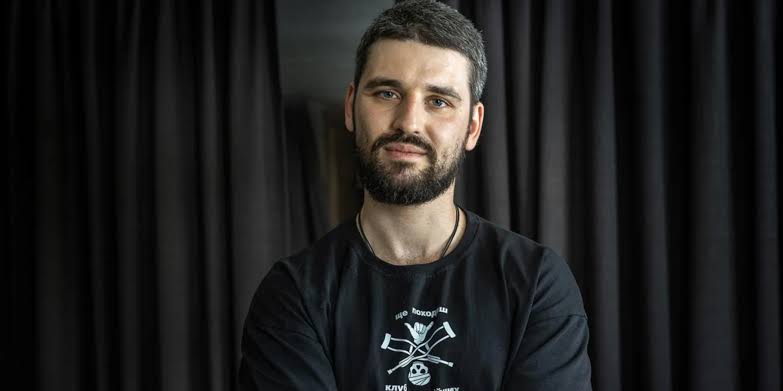
Koziatynskyi further argued that four and a half years into Russia’s full-scale invasion, Ukraine could not afford the internal divisions and societal fissures that an election campaign would inevitably create.
He emphasized that the street protests, which had galvanized public opinion, were "definitely not the place for electoral discourse," thereby drawing a decisive line under the month-long daily demonstrations across Ukraine.
He meticulously clarified that the protests were fundamentally about the "direction of Ukraine’s defence policy" and the pursuit of reforms, rather than being focused on Fedorov’s personal political future or ambitions. "These protests were specifically about dialogue and reforms, not about personalities," Koziatynskyi asserted.
In a gesture of support for the new leadership, Koziatynskyi offered his backing to Yevhen Khmara, whom President Zelenskyy formally nominated this week to permanently succeed Fedorov.
He conveyed his best wishes, stating, "I want to wish Mr Khmara success in his new position and sincerely hope that he will continue the course on reforms and the fight against corruption in defence."
Despite the unforeseen turn of events with Fedorov's election call, Koziatynskyi maintained that the protest movement had, nonetheless, achieved tangible results.
He cited the dismissal of Oleksandr Syrskyi and the subsequent appointment of Mykhailo Drapatyi as evidence of their impact, concluding, "I believe it was all worth it. At the very least, we managed to secure the dismissal of Syrskyi and the appointment of Drapatyi, which hardly anyone could have expected just a month ago."
Fedorov’s video address itself ignited a wave of strong reactions on social media, prompting thousands of responses that largely questioned the timing and true motives behind his call for elections. Many commentators pointed out that his advocacy for elections only emerged after his hopes of being reinstated as defence minister had definitively ended.
Queries ranged from "Do you think this is a good time for an election campaign video?" to direct accusations such as, "There is a feeling that you have taken too much upon yourself." Users also pondered why Fedorov, after serving seven years within Zelenskyy’s team, chose to voice concerns about the political system only when his return was no longer an option, with one user asking, "So if you had been reinstated, you wouldn’t criticise the system and wouldn’t call for elections?"
A significant portion of those who had participated in the demonstrations sought to clearly dissociate the protest movement from any broader political aspirations Fedorov might secretly harbor. Sentiments like, "I did not go out for your political ambitions, but for you to stay at the defence ministry," and "You shouldn’t have done it. This is populism," highlighted a perception of betrayal or opportunism.
Moreover, members of the Ukrainian military raised critical questions about the practical feasibility of conducting elections while hundreds of thousands of troops were actively engaged in repelling Russia's invasion.
One serviceman directly challenged Fedorov, inquiring whether soldiers should cast their ballots in heavily contested areas such as "Kostyantynivka or Pokrovsk," cities dangerously close to some of the most intense fighting in eastern Ukraine.
The response from President Zelenskyy’s administration to Fedorov's proposal was succinct and unequivocal.
Dmytro Lytvyn, a presidential adviser, communicated the government’s firm stance to reporters via a WhatsApp group chat, simply stating that Russia’s relentless daily strikes with drones and missiles provided "a comprehensive answer" to any suggestion of holding elections, underscoring the impracticality and inappropriateness of such a move during active warfare.