UK Covid Inquiry Ends with ‘New Normal’ Findings After Final Testimonies
The extensive Covid inquiry concluded its witness testimony, with bereaved families denouncing government "incompetence, chaos and callousness" and demanding urgent action for future preparedness. The inquiry, the UK's most expensive, highlighted "fatal strategic flaws," a "toxic and chaotic" government culture, and profound societal impacts on mental health, key workers, homelessness, and disabled people. Calls for accountability and systemic change persist as remaining reports are anticipated.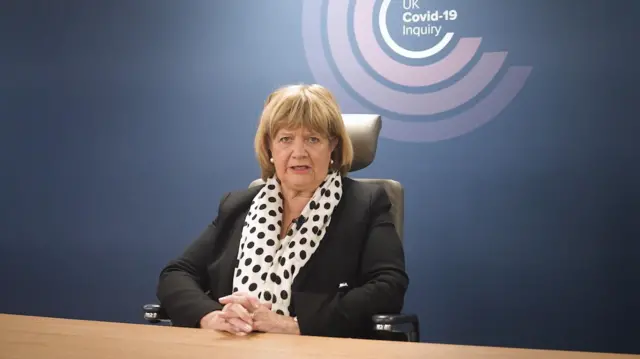
The United Kingdom’s long-running Covid-19 inquiry has reached a major milestone with the conclusion of witness testimony and public hearings nearly three years after proceedings began.
The moment prompted strong reactions from Covid-19 Bereaved Families for Justice UK, whose co-founder Matt Fowler said government “incompetence, chaos and callousness is now on the public record.”
The group urged authorities to treat the inquiry’s findings as a blueprint for urgent reform, warning that the UK remains poorly prepared for future national crises.
Representing more than 7,000 bereaved families, the organization also pledged to continue campaigning for full implementation of the inquiry’s recommendations and to challenge conspiracy narratives surrounding the pandemic.
Financially, the investigation has become the most expensive public inquiry in UK history, costing £203.98 million—surpassing the probe into the Bloody Sunday.
The scale of the inquiry reflects its unusually broad scope, with 10 modules examining areas ranging from national resilience and political decision-making to healthcare, vaccines, procurement, care homes, test-and-trace systems, children and young people, economic responses, and wider societal effects.
Across the country, the inquiry held 238 public hearing days, heard testimony from 381 witnesses, and reviewed more than 600,000 evidence documents.
Despite criticism from groups such as the TaxPayers' Alliance about the inquiry’s cost and duration, officials argue that its breadth was necessary to capture the full complexity of the pandemic response.
So far, inquiry chair Heather Halletthas released findings for only the first two modules.
Her initial report concluded that the UK’s pandemic planning contained “fatal strategic flaws,” arguing the public had been significantly failed.
A subsequent report delivered sharp criticism of former Prime Minister Boris Johnson, describing the culture within government as “toxic and chaotic” and suggesting that as many as 20,000 lives might have been saved had lockdown measures been implemented a week earlier.
Outside the hearings, bereaved families gathered holding photographs of lost relatives and signs reading “Partygate is your legacy Boris,” observing a minute’s silence.
Among them was Naomi Fulop, whose 94-year-old mother died after contracting Covid-19 from a care worker.
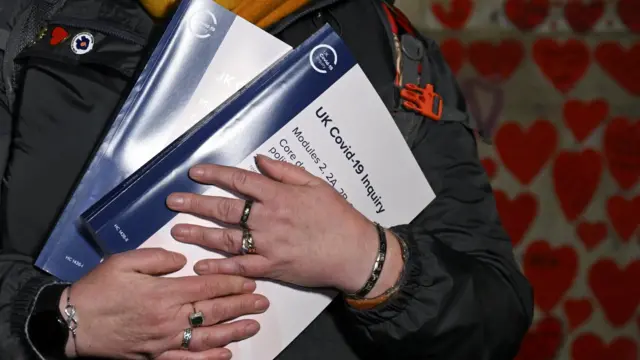
She described the inquiry’s conclusion as “bittersweet,” saying the emotional toll of testimony had been immense but the findings had validated families’ long-held concerns.
The final phase of hearings, known as Module 10, examined the pandemic’s broader societal legacy.
Testimony revealed severe mental-health repercussions, with journals reporting surging demand and mental related issues as lockdowns disrupted access to services.
Experts warned of rising cases of suicide ideation, self-harm, eating disorders and post-traumatic stress, particularly among young people exposed to constant crisis messaging.
Key workers also described widespread abuse while enforcing restrictions; union representatives cited the death of railway worker Belly Mujinga after being spat on as emblematic of the dangers they faced.
The inquiry further examined the long-term housing impact of the government’s “Everyone In” policy, which placed rough sleepers in temporary accommodation such as hotels, a practice now described by charities like St Mungo's and Shelter as the “new normal.”

Disabled people also reported severe isolation after social care services collapsed during lockdowns.
As the inquiry moves toward its remaining reports—expected through 2027—campaigners continue to push for reforms including the proposed Hillsborough Law to enforce transparency and accountability in future national emergencies.